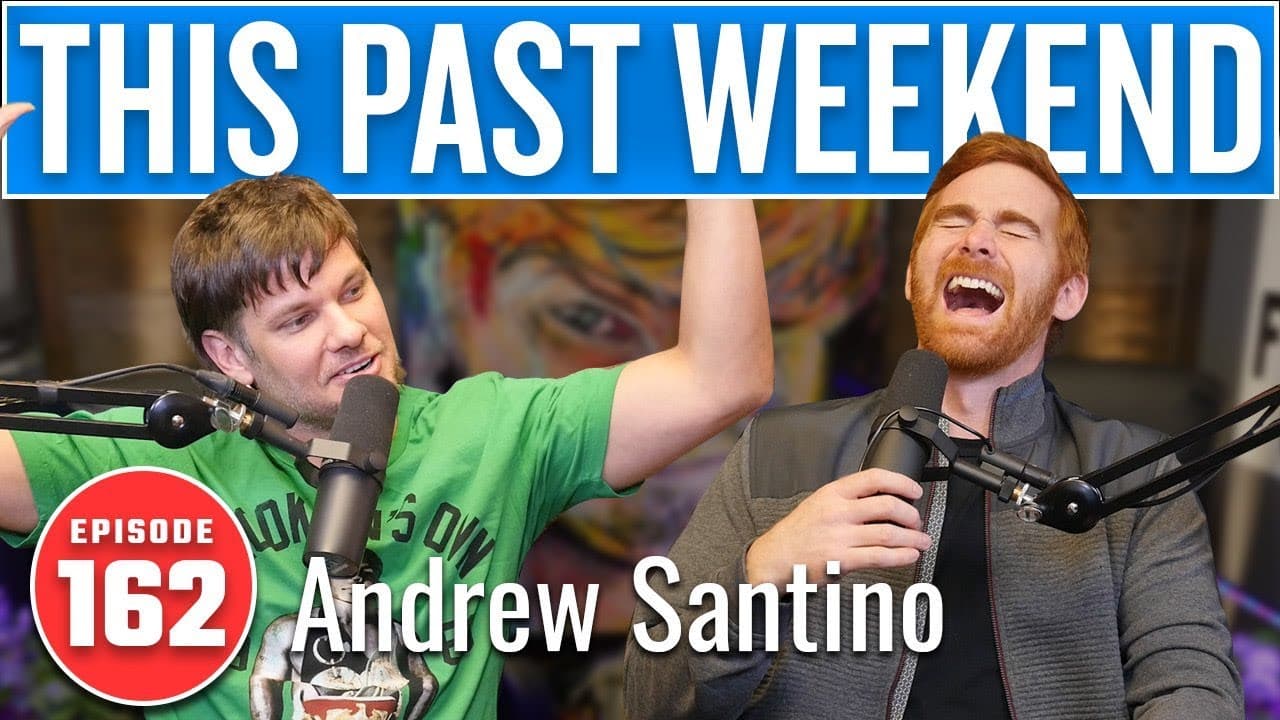
Andrew Santino | This Past Weekend w/ Theo Von #162
TL;DR
Discussion on Louis C.K.'s controversy, comedy industry dynamics, and personal anecdotes.
Transcript
today's episode is brought to you by gray block pizza on the way to the beach 18:11 Pico Boulevard gray block get that hitter I don't know yeah it seems like an illegal it is illegal it is [ __ ] illegal but the fact that they get away with it is crazy ooh roar drink roar drank we're on roller drink dude let's get ranked we have the probably one of... Read More
Key Insights
- 🍵 The comedy community is divided on how to handle controversial figures like Louis C.K., often reflecting broader societal tensions.
- 🤨 Recording comedians during live performances raises ethical questions about consent and the intent behind sharing such recordings.
- 💠 Personal biases in comedy often stem from comedians’ early experiences, shaping their perspectives and styles.
- 😀 Humor serves as a vital outlet for tackling difficult subjects, but comedians face challenges in balancing comedic freedom with community standards.
- 🥺 Rivalries and competition in the industry can lead to public critiques that may not always be constructive or beneficial.
- 🤳 Self-reflection on personal growth is crucial for comedians as they evolve in their careers and navigate public scrutiny.
- 🍝 The humor can serve as a coping mechanism for personal sadness, with anecdotal evidence suggesting it helps comedians process their past.
Install to Summarize YouTube Videos and Get Transcripts
Explore YouTube Video Summarizer or Get YouTube Transcript Extractor
Questions & Answers
Q: What are the speakers' views on Louis C.K.'s ability to perform after his controversies?
The speakers believe that Louis C.K. should have the right to perform, as long as people are willing to attend his shows. They express frustration over public condemnation that they argue ignores the complexities of free speech and artistic expression, suggesting that audiences ultimately dictate a comedian's success.
Q: How do the speakers feel about other comedians' public criticisms of Louis C.K.?
The speakers are critical of comedians who publicly admonish Louis C.K., viewing it as unnecessary and potentially damaging to their own credibility. They suggest a more supportive environment is needed where comedians stand together rather than tearing each other down.
Q: What personal anecdotes do specific speakers share about their early career experiences?
One speaker shares a humorous story about being labeled a troublemaker in Catholic school for fighting because of teasing related to his red hair. Another speaker reflects on a past encounter with a comedic legend, illustrating the insecurity many comedians feel early in their careers.
Q: What do the speakers suggest about the future of comedy and societal acceptance?
They discuss how societal norms surrounding humor are constantly evolving, with comedians needing to navigate new sensitivities while still finding ways to address real-life issues. They agree that while humor can be at the expense of serious topics, the craft must continue to adapt.
Summary & Key Takeaways
-
The content features a conversation about the complexities surrounding Louis C.K.'s career post-controversy, emphasizing the polarized views within the comedy community.
-
The speakers share personal stories about their experiences in the comedy industry, touching on rivalries, industry politics, and how public perception affects comedians.
-
The discussion reveals their thoughts on societal norms related to humor, including the implications of recording comedians without consent and the shifting boundaries of acceptable material.
Read in Other Languages (beta)
Share This Summary 📚
Summarize YouTube Videos and Get Video Transcripts with 1-Click
Try YouTube Summary with ChatGPT & Claude or YouTube Transcript Generator
Explore More Summaries from This Past Weekend 📚

Summarize YouTube Videos and Get Video Transcripts with 1-Click
Try YouTube Summary with ChatGPT & Claude or YouTube Transcript Generator