Why Is a Dermatologist Promoting Harmful Medications?
TL;DR
A dermatologist's advice to take four prescription medications has raised serious concerns about public health and misinformation. Experts warn that recommending such medications without thorough medical evaluation can mask underlying health issues, particularly erectile dysfunction, which may indicate more severe vascular diseases.
Transcript
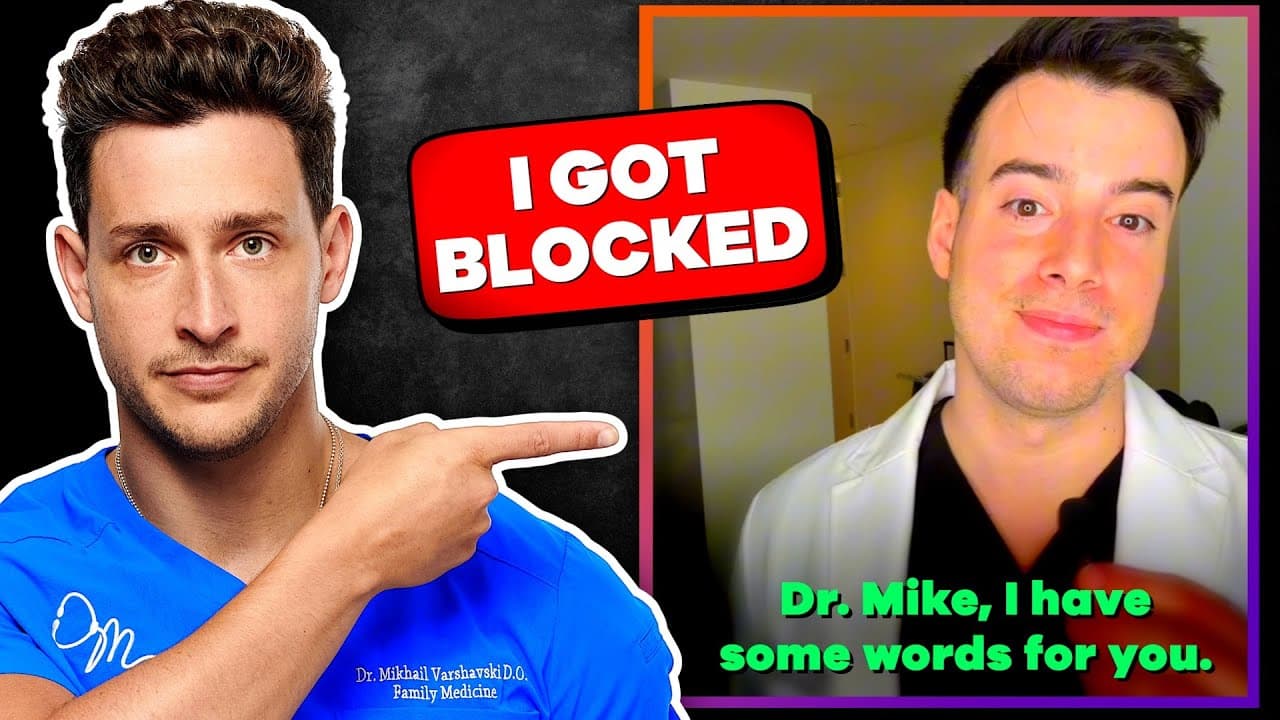
- You may have seen this clip in our last TikTok Reacts video. In that video, a dermatologist named Dr. Charles made some highly inaccurate and controversial remarks, encouraging every guy to take four prescription medications, sildenafil or Viagra, Metformin, Dutasteride, fish oil. Guys stay healthier longer, was the actual caption. I realized the... Read More
Key Insights
- 😷 Misinformation regarding prescription medications can pose public health risks, especially when recommended without proper medical evaluation.
- 😷 Clear communication of medical terminologies is vital to prevent misunderstandings among patients and the general public.
- 🧑⚕️ Erectile dysfunction may signal underlying serious health issues; broad prescriptions can obscure necessary diagnoses.
- 🧑⚕️ Current scientific consensus discourages universal supplementation, stressing dietary approaches over pharmacological interventions for preventive health.
- 😷 The importance of nuance in medical recommendations is pivotal to avoid generalizations that lack supporting evidence.
- 😷 Social media platforms can mislead users with medical advice that prioritizes sensationalism over medical accuracy.
- 👨🔬 Rigorous, peer-reviewed research is essential before any pharmacological recommendation is made to the public.
Install to Summarize YouTube Videos and Get Transcripts
Explore YouTube Video Summarizer or Get YouTube Transcript Extractor
Questions & Answers
Q: What inaccuracies were found in Dr. Charles's recommendations?
Dr. Charles inaccurately referred to sildenafil and tadalafil as PDE-4 inhibitors, when they are actually PDE-5 inhibitors. This mislabeling raises questions about his knowledge of these medications, particularly since the therapeutic uses vary significantly between cardiology and dermatology. Correct terminology is crucial for effective communication in medical contexts, and misunderstandings can lead to misinformed patient decisions.
Q: Why is recommending Sildenafil to all men considered harmful?
Recommending sildenafil universally can mask more serious underlying health issues such as cardiovascular diseases. Erectile dysfunction often serves as a warning sign for other vascular problems, such as heart attacks. Therefore, it is critical that patients receive thorough evaluations rather than blanket prescriptions that may overlook serious health concerns.
Q: What does the current research say about Metformin for longevity?
Research does not support the broad, universal recommendation of Metformin for longevity, as highlighted by Harvard's stance. While some preliminary studies indicate potential benefits, these findings must be substantiated with more rigorous studies before making sweeping generalizations about the drug's efficacy in older populations.
Q: Are there any risks associated with taking fish oil supplements?
Yes, fish oil supplements can pose risks such as increasing the likelihood of bleeding and potentially leading to arrhythmias like atrial fibrillation. Medical experts only recommend fish oil for specific populations with health conditions, emphasizing that a diet rich in fatty fish is preferable to taking supplements.
Q: What do medical professionals suggest about cardiovascular disease prevention?
Medical professionals do not universally recommend supplements for cardiovascular disease prevention. Instead, they advocate for dietary changes, such as increasing the intake of fatty fish like salmon and mackerel, which have been shown to deliver numerous health benefits without the potential risks associated with supplements.
Q: How can social media impact medical misinformation?
Social media can amplify misinformation due to its wide reach and the authority figures sharing content without appropriate context. It can lead to misinformed public health decisions if users take generalized recommendations for their unique health situations without consulting trained medical professionals first.
Q: What is the importance of understanding research in medical recommendations?
Understanding the difference between correlation and causation is critical in medical research. Recommendations based on preliminary findings must be approached cautiously, recognizing that jumping to conclusions can result in public health harm. Rigorous studies are essential for substantiating such claims in clinical practice.
Q: What is the takeaway regarding medical content on social media?
Viewers should recognize that social media should not replace professional medical advice. While many healthcare professionals aim to educate the public, broad medical recommendations, especially those lacking nuanced discussion, can perpetuate misinformation and potentially endanger health.
Summary & Key Takeaways
-
A dermatologist's video promoting four prescription medications prompted concerns about misinformation and public health risks, leading to a reaction from another medical professional.
-
The responses emphasize the dangers of recommending broad medication use without understanding underlying health issues, particularly regarding erectile dysfunction and its implications.
-
Multiple medical experts stress the importance of rigorous research before making broad claims about medications, highlighting the potential for both misdiagnosis and health risks.
Read in Other Languages (beta)
Share This Summary 📚
Summarize YouTube Videos and Get Video Transcripts with 1-Click
Try YouTube Summary with ChatGPT & Claude or YouTube Transcript Generator
Explore More Summaries from Doctor Mike 📚





Summarize YouTube Videos and Get Video Transcripts with 1-Click
Try YouTube Summary with ChatGPT & Claude or YouTube Transcript Generator