Why Did Denmark Tighten Its Immigration Policy?
TL;DR
Denmark tightened its immigration policy after asylum applications surged from 3,500 in 2012 to 21,316 in 2015, overwhelming reception and integration systems. The account also links the shift to concerns about welfare sustainability, language barriers, cultural integration, and public trust. Denmark subsequently pursued a zero-asylum vision, overseas processing, asset seizures, neighborhood redevelopment, and mandatory daycare. Read on for how these policies work and what drove them.
Transcript
Why Denmark is suddenly declaring war on immigration. This is Denmark, a country of just over 6 million people. It's been famous for being one of the happiest places on earth. Universal healthcare, free education, a society built on trust. This is the reason, by the way, you can't accept a bunch of immigrants is because the people are going to come... Read More
Key Insights
- Denmark's stated asylum objective is to approach zero applicants, according to the prime minister's 2021 parliamentary remarks quoted in the account. The policy direction represents a shift from reducing arrivals toward attempting to prevent asylum seekers from entering the country.
- Denmark's proposed offshore policy would send asylum seekers to Rwanda for processing, approximately 6,000 kilometers away. The stated purpose is to keep applicants from setting foot on Danish soil, although the transcript does not describe implementation results or legal outcomes.
- Denmark's integration measures include mandatory daycare for one-year-old children in designated immigrant areas for 25 hours each week. The account says the program teaches Danish values and connects family compliance to continued eligibility for welfare benefits.
- Denmark's immigration history includes recruiting workers from Turkey, Pakistan, and Yugoslavia during the 1960s and 1970s. These workers were expected to earn money and return home, but many stayed, reunited with family members, and established permanent lives.
- Denmark's immigrant population reportedly increased from 2.6 percent in 1980 to 12.6 percent in 2025. An additional 3.7 percent of residents were described as Danes born to immigrant parents, and immigration was credited with nearly all population growth during that period.
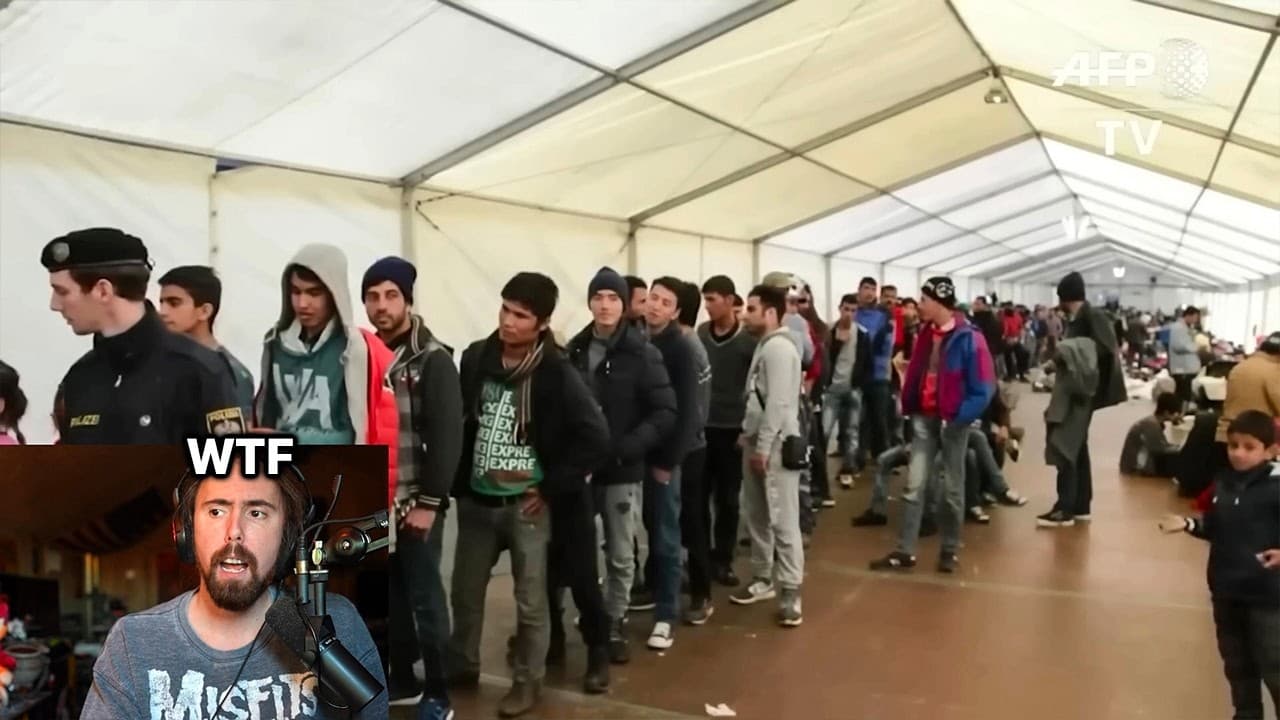
- The 2015 migration crisis is identified as the main turning point in Danish public policy. Denmark reportedly received 21,316 asylum applications that year, compared with 3,500 applications in 2012, creating a sixfold increase within three years.
- Denmark's reception system was described as overwhelmed by the sudden increase in applications. Refugee centers opened quickly in small towns, while many arrivals reportedly had limited education, lacked Danish-language skills, and entered a system without an integration plan designed for that scale.
- The center-left Social Democrats are presented as the political drivers of Denmark's restrictive approach, rather than a far-right fringe movement. The account also says the prime minister achieved record-high approval ratings, using this as evidence of substantial public support for stricter immigration policies.
Install to Summarize YouTube Videos and Get Transcripts
Explore YouTube Video Summarizer or Get YouTube Transcript Extractor
Questions & Answers
Q: Why did Denmark tighten its immigration policy?
Denmark tightened its policy after asylum applications rose sharply during the 2015 European migration crisis. Applications reportedly increased from 3,500 in 2012 to 21,316 in 2015, straining reception and integration systems. The account also links the shift to concerns about welfare capacity, language barriers, cultural integration, and public trust.
Q: What happened to asylum applications in Denmark in 2015?
Denmark reportedly received 21,316 asylum applications in 2015, compared with 3,500 in 2012. The account describes this sixfold increase within three years as the decisive turning point in Danish immigration policy. Reception centers opened quickly in small towns, and the integration system struggled with the scale of arrivals.
Q: What is Denmark's zero-asylum objective?
The objective comes from the prime minister's 2021 statement that Denmark could not promise zero asylum seekers but could establish zero as its vision and work toward implementing it. The account presents this as a shift from merely reducing arrivals to trying to prevent asylum seekers from entering Denmark.
Q: How would Denmark's Rwanda asylum policy work?
The proposed policy would send asylum seekers to Rwanda for processing, approximately 6,000 kilometers away. Its stated purpose is to keep applicants from setting foot on Danish soil. The transcript says Denmark passed a law supporting this approach but does not provide implementation results or legal outcomes.
Q: What integration policies does Denmark use in designated immigrant areas?
The account describes mandatory daycare for one-year-old children in designated immigrant areas for 25 hours each week. The program is intended to teach Danish language, values, and social norms, with continued welfare benefits tied to family compliance. It also describes demolishing neighborhoods to break up concentrated immigrant communities.
Q: How did immigration to Denmark develop before 2015?
Denmark signed the 1951 Refugee Convention and recruited workers from Turkey, Pakistan, and Yugoslavia during the 1960s and 1970s to address labor shortages. Many workers stayed, reunited with their families, and established permanent lives. In 1983, Denmark adopted a generous immigration law offering strong asylum protections and a path to citizenship.
Q: How much did Denmark's immigrant population grow?
Immigrants reportedly represented 2.6 percent of Denmark's population in 1980 and 12.6 percent by 2025. Another 3.7 percent of residents were described as Danes born to immigrant parents. The account credits immigration with nearly all Danish population growth during that period.
Q: Which political party drove Denmark's restrictive immigration approach?
The account attributes the restrictive approach to Denmark's center-left Social Democrats rather than a far-right fringe party. It describes them as the working-class party that helped build Denmark's welfare state. The prime minister's record-high approval ratings are presented as evidence of substantial public support for stricter policies.
Summary & Key Takeaways
-
Denmark moved from a historically humanitarian approach toward a stated ambition of receiving zero asylum seekers. The account describes a proposed system for processing applicants in Rwanda, confiscation of some refugee valuables, demolition of designated neighborhoods, and mandatory daycare intended to teach young children Danish language and social values.
-
The historical account begins with postwar refugee commitments and guest-worker recruitment from Turkey, Pakistan, and Yugoslavia during the 1960s and 1970s. A generous 1983 immigration law expanded protections and citizenship opportunities, while immigrants reportedly grew from 2.6 percent of the population in 1980 to 12.6 percent by 2025.
-
The 2015 European migration crisis is presented as Denmark's decisive turning point. Asylum applications reportedly rose from 3,500 in 2012 to 21,316 in 2015. Reception centers appeared in small towns, some migrants continued toward Sweden, and many who remained reportedly lacked Danish-language skills, education, and integration support at the required scale.
Read in Other Languages (beta)
Share This Summary 📚
Summarize YouTube Videos and Get Video Transcripts with 1-Click
Try YouTube Summary with ChatGPT & Claude or YouTube Transcript Generator
Explore More Summaries from Asmongold TV 📚





Summarize YouTube Videos and Get Video Transcripts with 1-Click
Try YouTube Summary with ChatGPT & Claude or YouTube Transcript Generator