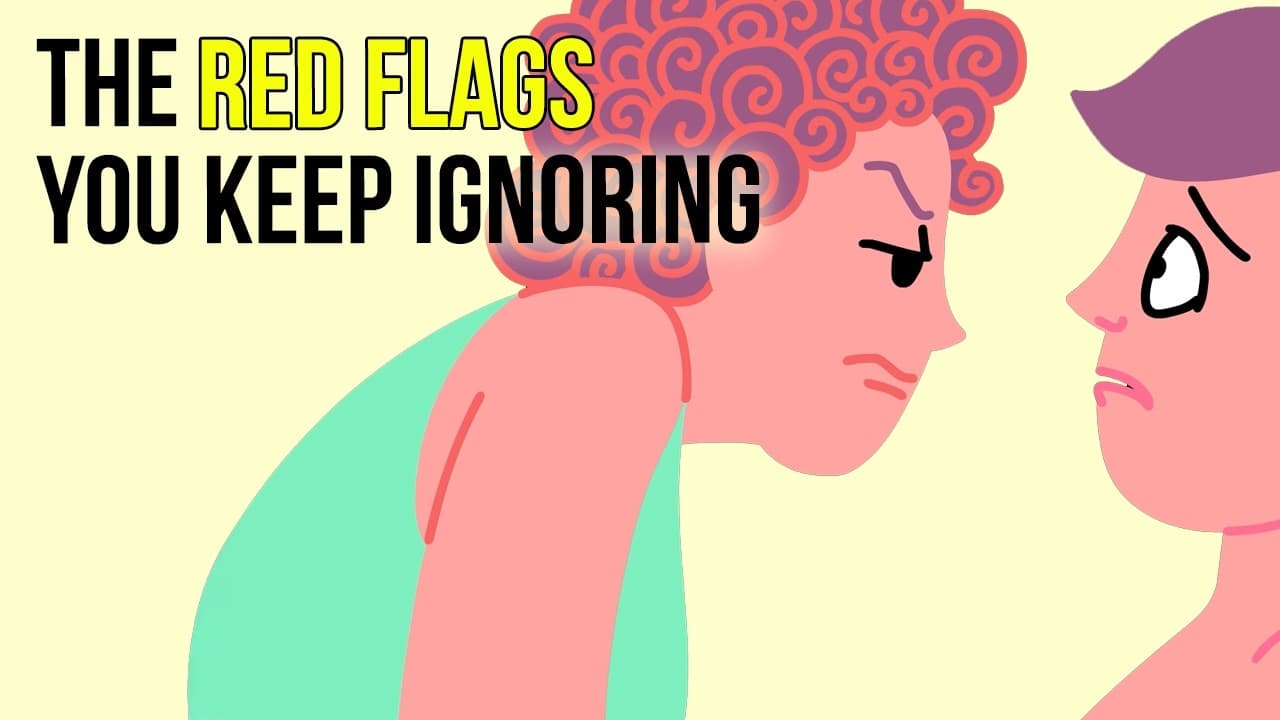
How to spot red flags people reveal about themselves
TL;DR
Some people openly reveal harmful traits like unkindness, selfishness, and betrayal, yet we often ignore them due to childhood biases and denial. The key is to recognize clear, repeated behaviors that signal distrust and disloyalty, and to re-evaluate relationships before getting too invested. Learning to trust these signals protects self worth and safety.
Transcript
There's a familiar expression that captures a deep psychological truth. When people tell you who they are, believe them. What does this mean? That certain people constantly reveal to us some of their deep-seated inclinations towards unkindness, treachery, vanity, and selfishness. They make no bones about their cowardice or greed. They may simply an... Read More
Key Insights
- Red flags are communicated through consistent negative behaviors such as disrespect, deception, and self-centeredness.
- The idea that people tell you who they are emphasizes trusting observable actions over soothing words or temporary kindness.
- Repeated patterns like flirting with others, defensiveness, or dismissive replies signal a lack of respect and trustworthiness.
- Self deception often arises from childhood experiences with caregivers who provided excuses for harmful behavior.
- Acknowledging early warning signs can save time and emotional energy by avoiding toxic relationships.
- Over time, recognizing the signs may reduce the pool of potential partners, friends, or colleagues who are reliable.
- The film argues that fear of losing relationships or cognitive dissonance keeps people from accepting bad news about someone close.
- Ultimately, letting go of disloyal people restores loyalty to one’s own wellbeing and boundaries.
Install to Summarize YouTube Videos and Get Transcripts
Explore YouTube Video Summarizer or Get YouTube Transcript Extractor
Questions & Answers
Q: What is the core message about red flags in relationships?
The core message is that people reveal their true character through consistent, clear behaviors that show disrespect, selfishness, or danger. When such patterns persist, they indicate unreliability and lack of trustworthiness, and should be acknowledged even if they conflict with moments of kindness or past promises. Recognizing this helps protect self worth.
Q: How can early childhood experiences affect recognizing red flags later?
Early childhood experiences with caregivers can create a bias toward believing the best about people who hurt you, due to attempts to protect the family image or self preservation. This conditioning makes it harder to see harmful patterns as adults, leading to excuses and delayed reactions to red flags. Understanding this helps reframe relationships more honestly.
Q: What behaviors are described as red flags in the transcript?
Behaviors described include a pattern of disrespect, deflection, and avoidance such as flirting with others while promising commitment, disappearing without notice, defensiveness to serious topics, curt dismissiveness to compliments, not inviting you to meet friends, and inconsistent gratitude. These signals indicate the person values themselves over the relationship.
Q: Why is it important to believe what people show you rather than what they say?
Believing what people show you emphasizes trusting observable actions over verbal assurances that may be insincere. This approach helps you assess reliability and commitment more accurately. When actions consistently contradict words, the relationship is unlikely to meet your needs, making it prudent to adjust expectations or disengage.
Q: How does the video suggest you handle a relationship with a pattern of betrayal?
The video suggests finalizing a fair assessment of the relationship, acknowledging the harmful patterns, and giving up on those who betray you. By re-prioritizing your own self-worth and setting stronger boundaries, you reduce exposure to ongoing harm and create space for healthier connections.
Q: What role does self-worth play in recognizing red flags?
Self-worth acts as a filter that motivates you to walk away from people who repeatedly disrespect you or prioritize their comfort over your needs. When you validate yourself, you’re less likely to rationalize bad behavior and more likely to seek relationships that are respectful and reciprocal.
Q: What are the consequences of ignoring red flags according to the video?
Ignoring red flags can lead to prolonged exposure to mistreatment, diminished self-esteem, and eventual humiliation. It may require years before you wake up to the reality that someone close is not trustworthy, making it harder to recover and rebuild healthier relationships later.
Q: How can you learn to spot red flags earlier in a relationship?
Early spotting requires paying attention to consistency over time, documenting patterns of behavior that contradict promises, and valuing your own feelings of unease as legitimate signals. Building healthier boundaries and seeking corroboration from close friends can help you confirm concerns before deepening involvement.
Summary & Key Takeaways
-
The video explains that people reveal their true character through consistent behavior, not occasional politeness, and urges readers to trust those signals even when they conflict with initial warmth.
-
It argues childhood conditioning can blunt our ability to see red flags, especially when caregivers modeled problematic behavior, leading to ongoing excuses for harm.
-
The takeaway is to prioritize self worth by acknowledging negative verdicts from others and disentangling from relationships that consistently betray trust.
Read in Other Languages (beta)
Share This Summary 📚
Summarize YouTube Videos and Get Video Transcripts with 1-Click
Try YouTube Summary with ChatGPT & Claude or YouTube Transcript Generator