How to Build Relationships With Wealthy People

TL;DR
Build valuable relationships by remembering names, exchanging contact details, and helping before requesting anything. Send an immediate, memorable text after meeting, accept the first invitation whenever possible, and discuss challenges without directly soliciting favors. Consistent generosity and responsiveness create trust, reveal who reciprocates, and increase the likelihood of lasting personal or business relationships.
Transcript
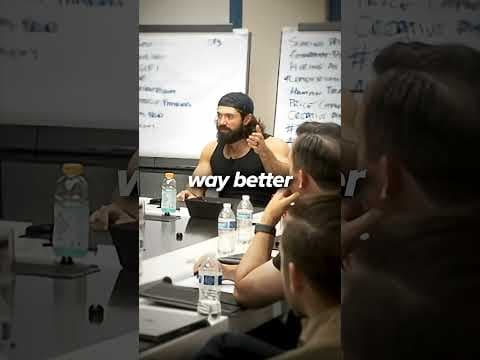
Would you like to know how to network with millionaires and billionaires? Well, having now met um a lot of uh billionaires in my life and try to build my own network of cool and interesting people, um I continue to get questions on this channel about how to do that. And so I wrote down kind of five rules that I have kind of lived by. And you know, ... Read More
Key Insights
- Remembering a person’s name is a practical signal of attention and respect. Repeating it naturally near the beginning of several sentences can reinforce memory while making the other person feel recognized, although the repetition should remain conversational rather than mechanical.
- An immediate follow-up text turns a brief encounter into a usable connection. Including both people’s names, relevant identifying details, and a humorous reference to the conversation helps preserve context if either person forgets to save the contact properly.
- Providing value first is the foundation of the recommended networking approach. The initial conversation should uncover ways to help the other person, and the follow-up should deliver useful assistance without requiring them to request it or promise something in return.
- Unsolicited effort demonstrates more commitment than a vague offer to help. Sending relevant suppliers, information, introductions, or resources mentioned during the conversation shows that the new contact listened carefully and was willing to invest time before receiving any benefit.
- Accepting the first invitation protects fragile new relationships from disappearing. People often make only one attempt to schedule a call, lunch, or meeting, so accommodating that first request can preserve an opportunity that may not be offered again.
- Repeated invitations are appropriate when initiating contact because an unavailable person may simply be busy. A declined or missed meeting does not necessarily reflect disinterest, so the person making the invitation should try multiple times while the recipient should prioritize the first request.
- Avoiding direct requests reduces the risk of appearing transactional. When help is genuinely needed, describing the current problem during a normal catch-up gives the other person an opportunity to offer assistance voluntarily, provided sufficient rapport and interest already exist.
- Reciprocity is a useful test for choosing long-term relationships. People who receive meaningful help and later look for ways to contribute can become enjoyable personal or business connections, while consistently one-sided relationships do not need to remain part of the network.
Install to Summarize YouTube Videos and Get Transcripts
Explore YouTube Video Summarizer or Get YouTube Transcript Extractor
Questions & Answers
Q: How do you network with millionaires and billionaires?
Network with wealthy people by treating them as potential long-term relationships rather than sources of immediate favors. Remember their names, exchange contact details, send a memorable follow-up message, and identify something useful you can provide without being asked. Accept their first invitation whenever possible, remain persistent when extending invitations yourself, and let reciprocity develop through consistent generosity and respectful follow-through.
Q: How can you remember someone’s name while networking?
Repeat the person’s name naturally during the opening portion of the conversation, including when responding to their introduction and beginning several early sentences. The repetition helps the name remain in memory and signals that the introduction mattered. The method should feel conversational and respectful. Its purpose is to strengthen recall and recognition, not to interrupt the discussion with forced repetition.
Q: What should you text someone immediately after meeting them?
Send a message containing your name, the other person’s name, and a memorable detail from the encounter. A short, funny description of yourself or a reference to the conversation can make the exchange easier to recognize later. Adding a relevant detail about the other person also helps both parties recover the context if the contact was not saved correctly.
Q: Why should you provide value before asking for help?
Providing value first shows that the relationship is not merely an attempt to obtain access, advice, or business. Listen for a specific problem, then send a relevant resource, supplier list, introduction, or other useful assistance without waiting for a request. Greater unsolicited effort can build respect, demonstrate reliability, and make the other person more interested in maintaining the relationship.
Q: Why should you accept the first networking invitation?
The first invitation may be the only invitation a new contact makes. If someone proposes a call, lunch, or in-person meeting, declining could end the relationship even when the reason is a legitimate scheduling conflict. The recommended approach is to do everything reasonably possible to accommodate that first request, including moving existing commitments when appropriate, because the opportunity may not return.
Q: How many times should you invite a busy contact to meet?
When you are initiating the meeting, ask multiple times rather than treating one unsuccessful attempt as a final rejection. Busy people may have schedule conflicts or other demands that have nothing to do with their opinion of you. The advice is intentionally different for each side: accept the first invitation when receiving it, but remain politely persistent when extending invitations yourself.
Q: How can you seek help without directly asking for a favor?
Describe the problem you are currently facing during a normal conversation or catch-up, without turning the description into a demand. If the relationship has sufficient rapport and the other person wants it to continue, they may voluntarily offer relevant assistance. This approach works best after you have already contributed useful help, because generosity can encourage natural reciprocity without creating an explicitly transactional exchange.
Q: How can you identify reciprocal networking relationships?
Observe whether the other person eventually looks for a way to contribute after receiving meaningful, unsolicited help. A strong network consists of people who enjoy improving one another’s lives and who do not treat every interaction as a one-sided transaction. If someone repeatedly accepts value without showing any desire to reciprocate, that person may not be a suitable long-term relationship.
Summary & Key Takeaways
-
Effective networking begins during the first conversation. Remember the person’s name by repeating it naturally, exchange contact information, and immediately send a memorable text containing both names and a humorous reference to the meeting. These actions communicate attention, preserve useful context, and make future contact easier for both people involved.
-
The relationship should develop through unsolicited generosity. Listen for problems or goals during the conversation, then provide a useful resource, introduction, supplier list, or other relevant assistance without waiting to be asked. Doing meaningful work before expecting a return demonstrates credibility and encourages people to maintain contact or consider future business opportunities.
-
New relationships often depend on timely follow-through. Accept the first invitation whenever possible because someone may ask only once, while making repeated invitations when initiating contact because scheduling conflicts are not necessarily rejection. Avoid direct requests for favors, describe relevant challenges instead, and allow interested, reciprocal people to volunteer assistance naturally when appropriate.
Read in Other Languages (beta)
Share This Summary 📚
Summarize YouTube Videos and Get Video Transcripts with 1-Click
Try YouTube Summary with ChatGPT & Claude or YouTube Transcript Generator
Explore More Summaries from Alex Hormozi 📚


!["What now?" [Ep 009] thumbnail](/_next/image?url=https%3A%2F%2Fi.ytimg.com%2Fvi%2FKtwv_uEW-uA%2Fhqdefault.jpg&w=750&q=75)


Summarize YouTube Videos and Get Video Transcripts with 1-Click
Try YouTube Summary with ChatGPT & Claude or YouTube Transcript Generator