What Are the Flaws Behind Our Strengths?
TL;DR
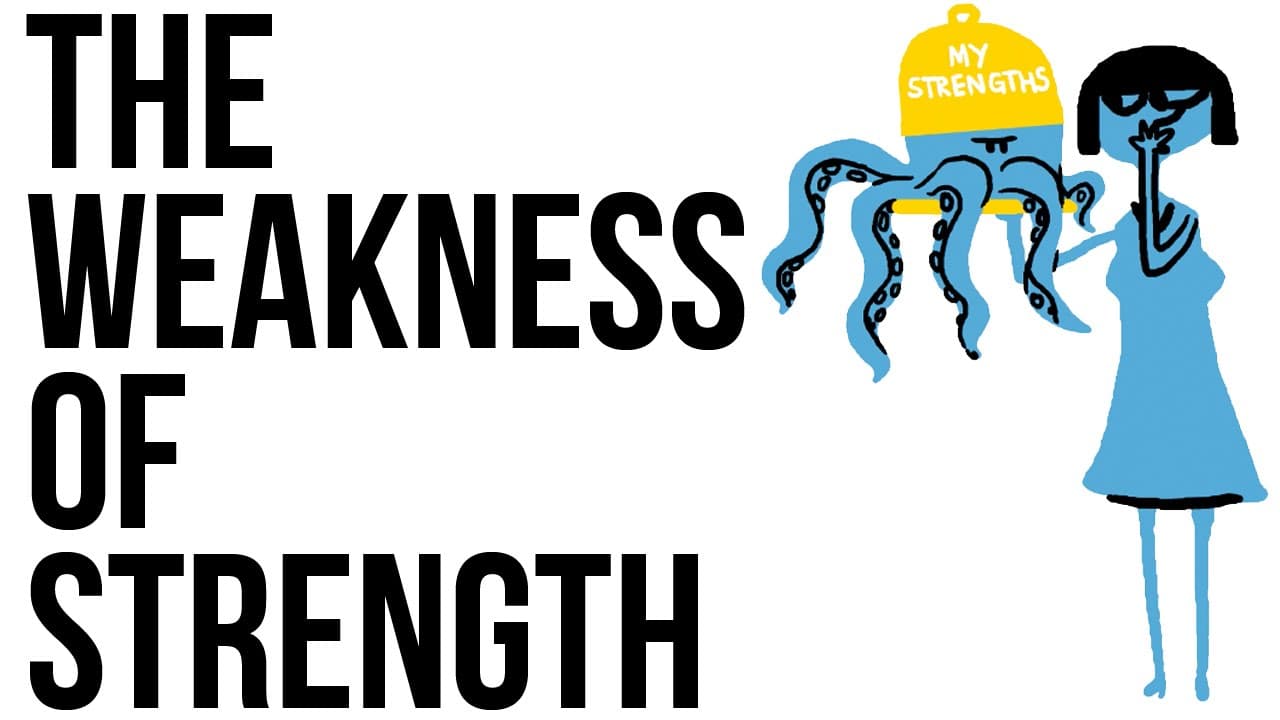
Every individual's strengths are inherently linked to weaknesses, impacting relationships. The friendship between Henry James and Ivan Turgenev exemplifies this, revealing how Turgenev's meticulous writing style created social challenges. Understanding this duality can help us manage expectations and foster empathy in our interactions with others.
Transcript
the failings of friends colleagues and partners can be deeply ging we got close to them because of their skills and merits but after a while it can be the disappointing sides of their personalities that dominate our view of them we look upon their faults and wonder again and again why they are the way they are why so slow why so unreliable how can ... Read More
Key Insights
- 📶 The "weakness of strength" theory encourages acknowledging the inherent duality of traits in individuals, promoting a more understanding approach towards personal flaws.
- 🧑 Social frustrations often arise from the conflicting nature of a person's strengths and weaknesses, as illustrated in literary friendships.
- 📶 Empathy is essential in interactions with others; recognizing that everyone has both strengths and weaknesses fosters better communication and understanding.
- 🉑 The imperfection of human relations is universal; accepting that everyone has flaws alleviates the pressure of seeking perfection in ourselves and others.
- 🍻 The example of Henry James and Ivan Turgenev demonstrates how artistic talents can translate into social challenges, linking creativity with interpersonal dynamics.
- 🎗️ Regularly reminding ourselves of the universality of strengths and weaknesses can help us navigate moments of irritation more calmly and rationally.
- 💡 Embracing the idea that no one is flawless encourages a healthier perspective on personal relationships and teamwork in professional environments.
Install to Summarize YouTube Videos and Get Transcripts
Explore YouTube Video Summarizer or Get YouTube Transcript Extractor
Questions & Answers
Q: What does the theory of the weakness of strength entail?
The theory of the weakness of strength posits that for every virtue or strength a person possesses, there exists an inherent weakness. This duality means that understanding someone's flaws is crucial, as they arise from the same traits that make them admirable, urging us to have a more balanced view of others.
Q: How did Henry James view Ivan Turgenev’s social behavior?
Henry James found Ivan Turgenev's social behavior frustrating due to his tendency to cancel plans or arrive late. However, he recognized that this behavior stemmed from Turgenev's meticulous nature as a writer, highlighting the idea that the strengths that make someone talented can also lead to social difficulties.
Q: Why is it beneficial to understand the connection between strengths and weaknesses in others?
Understanding that strengths come with weaknesses helps us manage our expectations and reduce frustration. It encourages empathy and patience, as we learn to see flaws not as defects but as inherent aspects of the strengths we appreciate in others, fostering healthier relationships.
Q: Can this theory be applied beyond personal relationships?
Yes, the theory of the weakness of strength can be relevant in various contexts, including workplaces and social groups. Recognizing that team members' strengths, like creativity or attention to detail, may also lead to challenges can promote a culture of acceptance and collaboration, enhancing overall group dynamics.
Summary & Key Takeaways
-
The concept of the "weakness of strength" suggests that every individual’s strengths are accompanied by corresponding weaknesses, which can lead to frustration in relationships.
-
The friendship between writers Henry James and Ivan Turgenev illustrates this theory, showcasing how Turgenev's meticulous nature as a writer created social difficulties.
-
Acknowledging that flaws are part of a person's strengths can help us manage expectations and improve our relationships with others, as imperfection is a universal trait.
Read in Other Languages (beta)
Share This Summary 📚
Summarize YouTube Videos and Get Video Transcripts with 1-Click
Try YouTube Summary with ChatGPT & Claude or YouTube Transcript Generator