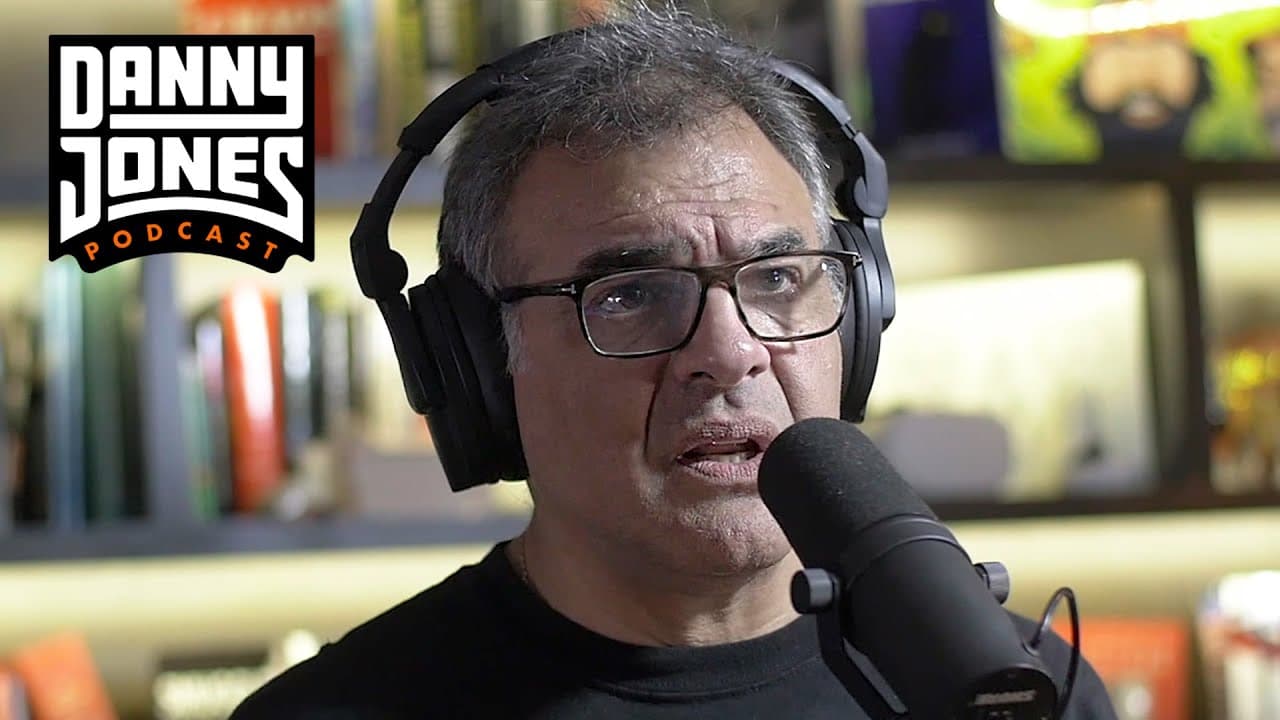
What Does Former CIA Officer John Kiriakou Say About Elon Musk's Twitter Files?
TL;DR
Former CIA officer John Kiriakou discusses the complexities of the Twitter files and the relationship between Elon Musk and journalists like Matt Taibbi. He highlights that only 10% of the data has been analyzed, raising concerns about intelligence agencies' influence over social media narratives and the transparency of information sharing.
Transcript
foreign your videos last night uh from you linked to on your sub stack that you do every day on the Sputnik oh right radio right right yeah and you were mentioning something about how you met Andy Warhol oh yeah because I I would College I was a senior in college and I was just I mean since I was a little kid I just loved Andy warhol's work and he ... Read More
Key Insights
- ❓ Kiriakou's interactions with Andy Warhol illustrate the profound impact of personal connections with cultural figures.
- 🤨 The emergence of AI technology in documentaries raises critical questions about consent and representation in presenting historical narratives.
- 🌐 Advocacy for diplomacy is vital in the context of increasing global tensions, emphasizing collaborative solutions to broader issues.
- 🍔 Kiriakou urges the importance of ethical considerations within intelligence practices, including transparency and accountability.
- ❤️🩹 The reopening of relations with Cuba serves as a crucial opportunity for the U.S. to mend historical ties and promote stability.
- 😮 The rise of China indicates a significant shift in global power dynamics, necessitating an evolution in U.S. foreign policy responses.
- ❓ Historical tales of remarkable individuals can be found in cemeteries, revealing untold stories of bravery and accomplishment.
Install to Summarize YouTube Videos and Get Transcripts
Explore YouTube Video Summarizer or Get YouTube Transcript Extractor
Questions & Answers
Q: What was John Kiriakou's experience meeting Andy Warhol, and how did it influence his perspective on art?
Kiriakou met Warhol during his college days, reflecting on his quiet demeanor and the excitement of having a local icon sign his autograph. This encounter highlighted the connection between art and personal influence, shaping Kiriakou's appreciation for creative figures intertwined with cultural narratives.
Q: How does Kiriakou feel about AI technology's impact on documentaries and historical representation?
Kiriakou expresses discomfort with AI-generated narratives that misrepresent deceased figures, arguing that technology should not manipulate legacies after death. He believes it raises ethical concerns about authenticity and consent, particularly when it involves historical icons.
Q: What perspectives does Kiriakou share about ongoing political polarization in the U.S. and its global implications?
Kiriakou argues that increased divisiveness in American politics benefits authoritarian regimes by undermining democratic values. He emphasizes that restoring diplomacy is crucial for addressing global challenges collaboratively rather than fueling further conflict.
Q: In what way did Kiriakou's experiences in the CIA shape his views on U.S. foreign policy?
Kiriakou's tenure in the CIA exposed him to the intricacies of international relations, leading him to advocate for a diplomatic approach. He criticizes the abandonment of traditional diplomacy during the War on Terror and promotes multilateral engagement to foster global stability.
Q: How does Kiriakou perceive the resurgence of relations with Cuba and its significance?
Kiriakou views the reopening of relations with Cuba, initiated during the Obama administration, as a positive step towards alleviating tensions. He critiques the reimplementation of sanctions and emphasizes the potential for diplomacy to yield mutual benefits between nations.
Q: What are Kiriakou's thoughts on the emergence of China as a global superpower?
Kiriakou acknowledges the shift towards a multipolar world, with China gaining influence, urging the U.S. to adapt its foreign policy accordingly. He believes such dynamics offer opportunities for renewed diplomatic efforts, requiring the U.S. to engage more constructively.
Q: Can you explain Kiriakou's stance on the CIA's role in oversight and accountability?
Kiriakou advocates for transparency and adherence to ethical standards within intelligence operations. He argues that breaking laws, like torture, undermines the principles that the CIA was founded upon, and that accountability is essential for restoring public trust.
Q: What inspired Kiriakou to explore writing about cemeteries and their histories?
Kiriakou's fascination with cemeteries stems from an early childhood experience of uncovering significant tales associated with burial sites. This curiosity led him to document the untold stories of historical figures, blending personal reflection with cultural narratives.
Summary & Key Takeaways
-
John Kiriakou shares his personal encounters with influential figures, including a meeting with Andy Warhol, showcasing the unpredictable nature of high-profile interactions.
-
The conversation shifts to technological advancements and concerns about AI in documentaries, raising ethical questions about representation and legacy manipulation after death.
-
Kiriakou discusses the complexities of U.S. foreign relations, emphasizing the need for diplomacy, especially in a world with emerging powers like China and Russia.
Read in Other Languages (beta)
Share This Summary 📚
Summarize YouTube Videos and Get Video Transcripts with 1-Click
Try YouTube Summary with ChatGPT & Claude or YouTube Transcript Generator
Explore More Summaries from Danny Jones Podcast 📚
Summarize YouTube Videos and Get Video Transcripts with 1-Click
Try YouTube Summary with ChatGPT & Claude or YouTube Transcript Generator