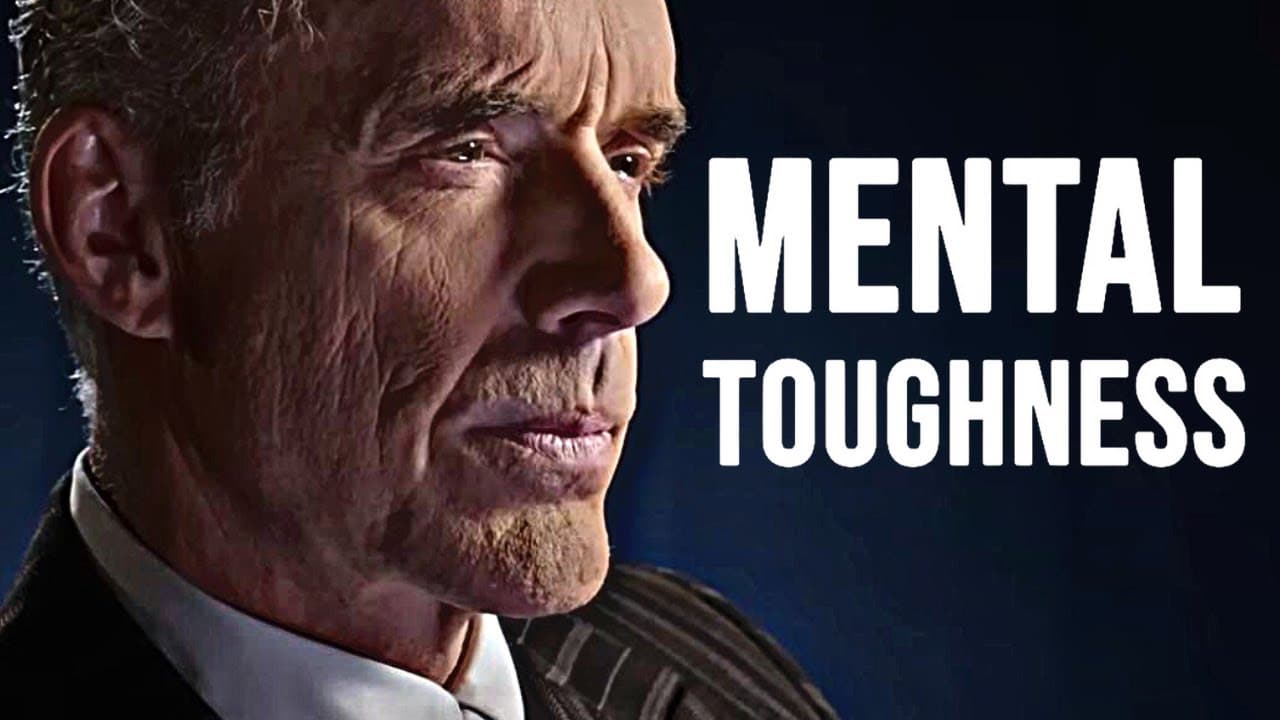
How Do You Build Mental Toughness? Jordan Peterson Motivational Speech
TL;DR
Mental toughness grows when you voluntarily face fears, accept responsibility, and learn to defend your boundaries. Jordan Peterson describes exposure training as ranking 10 feared situations, starting with the least frightening, and repeating manageable encounters until the fear subsides. This process can build confidence and make it easier to stand up to others. Read on for the practical steps and reasoning behind it.
Transcript
you're actually tougher than you think you never knew that and maybe you didn't want to take on the responsibility because you know people play a role in their own demise so to speak when you had opportunity to go out and explore or withdraw because you were afraid you chose to withdraw because you were afraid so it's not only that you were overpro... Read More
Key Insights
- 🥺 Overprotection can lead to a reluctance to face fears and take on responsibilities, hindering personal growth.
- 😨 Exposure training helps individuals confront fears gradually, building resilience and confidence.
- 🖤 Lack of assertiveness can make individuals vulnerable to bullying and exploitation.
- 👶 Instilling courage in children prepares them to navigate life's challenges and adversities.
- 🧍 Standing up for oneself and embracing responsibility are essential for personal growth and resilience.
- 🤳 Body language influences self-perception and how others perceive and treat individuals.
- 🥺 Accepting responsibility and facing fears voluntarily leads to personal growth and the development of resilience.
Install to Summarize YouTube Videos and Get Transcripts
Explore YouTube Video Summarizer or Get YouTube Transcript Extractor
Questions & Answers
Q: How does Jordan Peterson say you can build mental toughness?
Mental toughness develops by voluntarily facing what frightens you instead of repeatedly withdrawing or relying on authority figures. Taking responsibility, confronting manageable threats, and learning to stand up for yourself reveal that you are tougher than you thought.
Q: How does overprotection interfere with resilience?
Overprotection provides a refuge that a fearful person may repeatedly use instead of handling problems independently. The transcript warns that this prevents the person from learning how to cope, potentially forcing them to relearn those skills painfully at age 40.
Q: How does exposure training help someone overcome fear?
Exposure training begins by making a list of 10 feared situations and starting with the least frightening one. The person approaches that situation at the closest manageable proximity, repeats the encounter, and gradually moves closer as the fear diminishes.
Q: What example does Jordan Peterson give for exposure training?
He describes someone who fears elevators first looking at a picture, imagining being inside, and then watching an elevator open. After doing the manageable exercise 10 times and calming down, the person moves progressively closer until entering the elevator no longer feels symbolically like entering a tomb.
Q: What does a person learn by confronting a feared situation?
The person learns not only that they did not die, but also that they could withstand what felt like the threat of death. That realization can leave them more composed and confident.
Q: Why are some people more vulnerable to bullying?
Some people are bullied because they are physically weaker, but others are targeted because they will not fight back. The transcript particularly identifies compassionate, self-sacrificing people who suppress anger or believe every form of aggression is morally wrong as vulnerable to exploitation.
Q: How can setting boundaries reduce oppression?
Saying no early, stating the refusal clearly, and standing behind it can keep an oppressor's behavior bounded and limited. The transcript argues that an integrated ability to respond with aggression can reduce the likelihood that actual aggression will become necessary.
Q: What role can resentment and anger play in self-protection?
Resentment can be recognized first as anger and then as a signal that something needs to be said or done. Expressing that response honestly can help a person resist being pushed around and contribute to holding tyranny at bay on both individual and social levels.
Summary & Key Takeaways
-
Overprotection can lead to a reluctance to take on responsibility and confront fears, hindering personal growth.
-
Exposure to feared situations in incremental steps can help individuals realize their ability to withstand and overcome challenges.
-
Resilience is cultivated through facing fears, standing up for oneself, and accepting the responsibilities of life.
Read in Other Languages (beta)
Share This Summary 📚
Summarize YouTube Videos and Get Video Transcripts with 1-Click
Try YouTube Summary with ChatGPT & Claude or YouTube Transcript Generator
Explore More Summaries from Mind Motivation Coaching 📚

Summarize YouTube Videos and Get Video Transcripts with 1-Click
Try YouTube Summary with ChatGPT & Claude or YouTube Transcript Generator