How Does GLM-4.5 Revolutionize Open-Source AI?
TL;DR
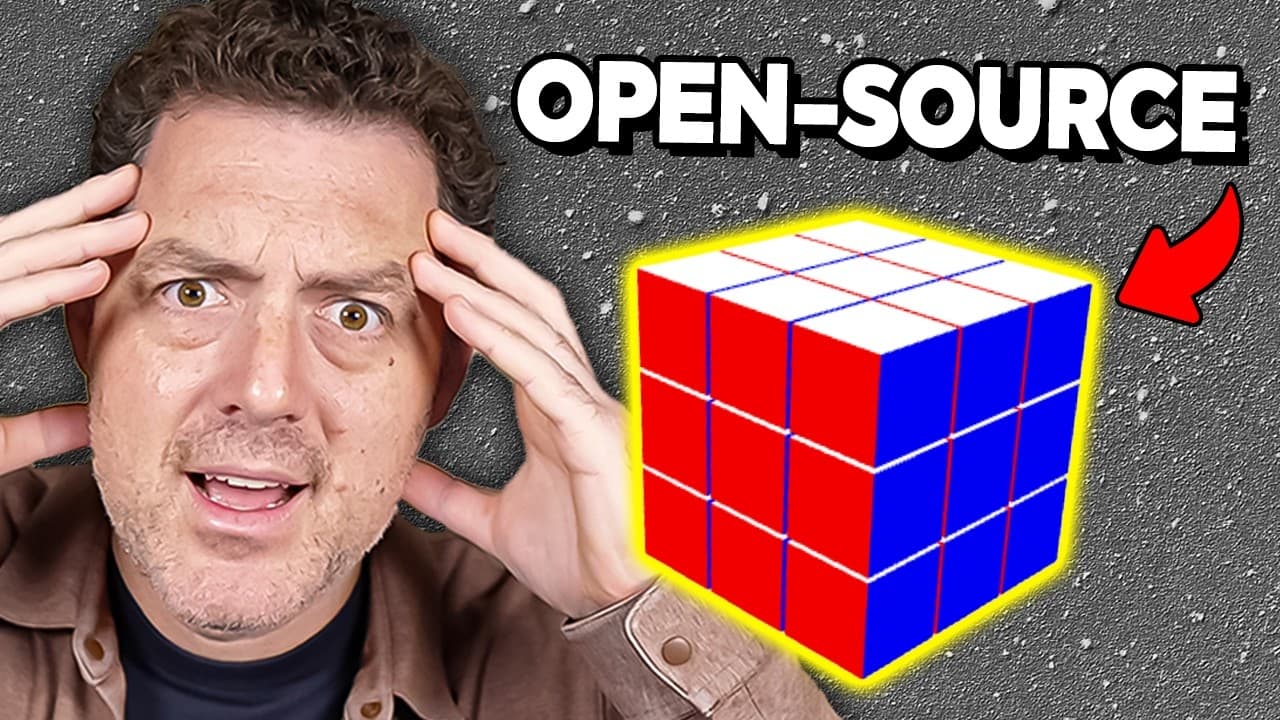
GLM-4.5, an open-source model from China, rivals top closed-source models in reasoning, coding, and agentic capabilities. It demonstrates impressive performance in solving complex puzzles like the Rubik's Cube and Tower of Hanoi, along with creating 3D simulations. The model's hybrid reasoning allows it to handle both reasoning and non-reasoning tasks, positioning it at the forefront of AI development.
Transcript
China is single-handedly bringing open-source models to the frontier. We now have a brand new model from ZAI called GLM4.5 that is on par with the best closed source models at reasoning, coding, and agentic capabilities. Before I tell you more about the model, let me show you some demos. This is the second model ever to successfully simulate a Rubi... Read More
Key Insights
- GLM-4.5 is an open-source model from China with advanced reasoning, coding, and agentic capabilities.
- The model successfully simulates and solves puzzles like the Rubik's Cube and the Tower of Hanoi.
- GLM-4.5 is a hybrid reasoning model, capable of both reasoning and non-reasoning tasks.
- It includes a thinking mode for complex reasoning and tool-using tasks and a non-thinking mode for instant responses.
- The model's benchmark performance is competitive with leading closed-source models, including GPT-4 and Claude.
- GLM-4.5's size and parameter efficiency make it a powerful tool for various AI applications.
- Demos include 3D visualizations, interactive simulations, and coding tasks, showcasing its versatility.
- The model's development signifies a major step forward in the open-source AI community's capabilities.
Install to Summarize YouTube Videos and Get Transcripts
Explore YouTube Video Summarizer or Get YouTube Transcript Extractor
Questions & Answers
Q: How does GLM-4.5 compare to closed-source models?
GLM-4.5 is an open-source model that rivals top closed-source models like GPT-4 and Claude in reasoning, coding, and agentic capabilities. It demonstrates competitive performance in benchmarks, showcasing its ability to handle complex tasks effectively. Its hybrid reasoning model allows it to perform both reasoning and non-reasoning tasks, making it a versatile tool in the AI field.
Q: What are the key features of GLM-4.5?
GLM-4.5 features advanced reasoning, coding, and agentic capabilities. It includes a hybrid reasoning model with a thinking mode for complex reasoning and tool-using tasks, and a non-thinking mode for instant responses. The model excels in solving complex puzzles and creating 3D simulations, demonstrating its versatility and power in various AI applications.
Q: What tasks can GLM-4.5 perform?
GLM-4.5 can perform a wide range of tasks, including solving complex puzzles like the Rubik's Cube and the Tower of Hanoi, creating 3D visualizations and interactive simulations, and handling various coding tasks. Its hybrid reasoning capabilities allow it to tackle both reasoning and non-reasoning tasks, making it a versatile and powerful AI model.
Q: How does GLM-4.5 handle reasoning tasks?
GLM-4.5 uses a hybrid reasoning model that includes a thinking mode specifically designed for complex reasoning and tool-using tasks. This mode allows the model to deeply analyze problems and generate thoughtful solutions, as demonstrated in tasks like solving the Tower of Hanoi puzzle. This capability sets it apart as a highly effective reasoning model.
Q: What benchmarks does GLM-4.5 excel in?
GLM-4.5 performs competitively in several benchmarks, placing it among the top AI models. It excels in reasoning, agentic capabilities, and coding benchmarks, demonstrating its effectiveness across a range of complex tasks. Its performance is comparable to leading closed-source models, highlighting its potential as a powerful open-source alternative.
Q: What are some demos of GLM-4.5's capabilities?
GLM-4.5's demos include solving Rubik's Cubes, the Tower of Hanoi puzzle, creating 3D visualizations of the solar system, and interactive tasks like a Lego building simulation. These demonstrations highlight its advanced reasoning, coding, and simulation capabilities, showcasing the model's versatility and power in handling diverse AI tasks.
Q: How does GLM-4.5's hybrid reasoning model work?
GLM-4.5's hybrid reasoning model incorporates both a thinking mode for complex reasoning tasks and a non-thinking mode for instant responses. This dual approach allows the model to adapt to different types of tasks, providing thoughtful analysis when needed and quick responses for simpler queries, enhancing its overall versatility and effectiveness.
Q: What significance does GLM-4.5 hold for the open-source AI community?
GLM-4.5 represents a major advancement for the open-source AI community, demonstrating that open-source models can match the capabilities of leading closed-source models. Its competitive performance in benchmarks and versatile applications signal a significant step forward in open-source AI development, expanding the possibilities for innovation and collaboration in the field.
Summary & Key Takeaways
-
GLM-4.5 is a cutting-edge open-source model from China, matching top closed-source models in reasoning, coding, and agentic capabilities. It excels in complex tasks like solving Rubik's Cubes and the Tower of Hanoi, demonstrating its advanced problem-solving skills. The model's hybrid reasoning allows it to handle both reasoning and non-reasoning tasks effectively.
-
The model's performance in benchmarks places it among the leading AI models, showing significant potential in various applications. GLM-4.5's demos include impressive 3D simulations and interactive tasks, highlighting its versatility and power. Its development marks a significant advancement in the open-source AI field.
-
GLM-4.5's hybrid reasoning capabilities and efficient parameter use make it a standout model in the AI landscape. It offers both a thinking mode for complex reasoning tasks and a non-thinking mode for instant responses, positioning it as a formidable competitor to closed-source models. This development is a milestone for the open-source AI community.
Read in Other Languages (beta)
Share This Summary 📚
Summarize YouTube Videos and Get Video Transcripts with 1-Click
Try YouTube Summary with ChatGPT & Claude or YouTube Transcript Generator
Explore More Summaries from Matthew Berman 📚




Summarize YouTube Videos and Get Video Transcripts with 1-Click
Try YouTube Summary with ChatGPT & Claude or YouTube Transcript Generator