What Happened When German Women Met Black Soldiers?
TL;DR
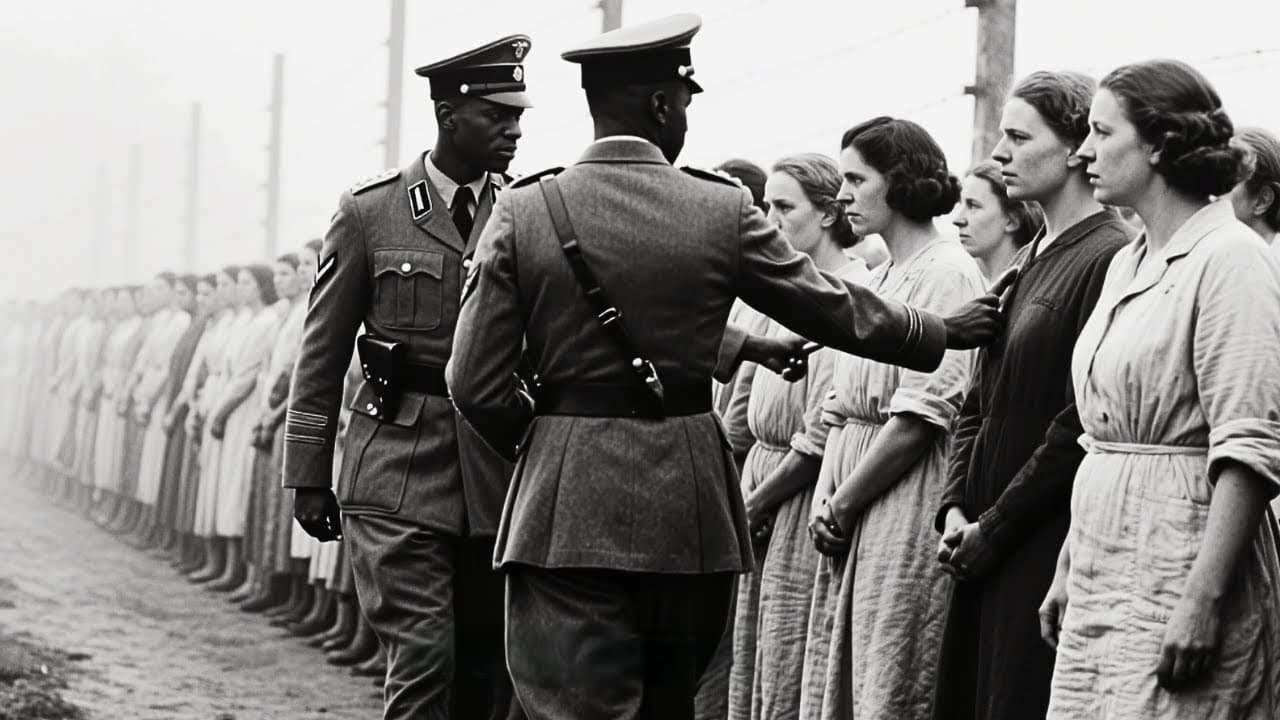
In 1945, German women POWs encountered Black American soldiers for the first time, challenging their preconceived notions shaped by Nazi propaganda. The soldiers treated them with dignity, contradicting the stereotypes they had been taught. This experience led to profound realizations about race and humanity, impacting their beliefs and lives post-war.
Transcript
Louisiana, 1945. The train slowed to a crawl under a sky heavy with moisture, the air thick enough to taste. Through the box car slats, German women pressed their faces against the wood, watching the platform approach. They had been told what to expect. Savagery, humiliation, chains. What they saw instead made them freeze. Black soldiers in America... Read More
Key Insights
- German women POWs in 1945 expected cruelty from American soldiers but were met with professionalism.
- Nazi propaganda depicted Black soldiers as savage, but the women found them respectful and humane.
- The POW camp in Louisiana provided better living conditions than the women expected, with decent meals and fair treatment.
- Interactions with Black soldiers challenged the women's racist beliefs, leading to a transformation in their understanding.
- The camp experience showed the women that humanity transcends race, contradicting Nazi ideology.
- Black soldiers, despite facing discrimination at home, chose to treat German POWs with dignity.
- The women learned about the true horrors of the Holocaust through American newspapers and began questioning their beliefs.
- The experience planted seeds of doubt about totalitarian ideology, showing that human contact can overcome propaganda.
Install to Summarize YouTube Videos and Get Transcripts
Explore YouTube Video Summarizer or Get YouTube Transcript Extractor
Questions & Answers
Q: How did German women POWs react to meeting Black American soldiers?
German women POWs were initially shocked and confused when they met Black American soldiers, as their experience contradicted Nazi propaganda that depicted Black people negatively. Instead of savagery, they encountered professionalism and dignity, which challenged their preconceived notions and led to a reevaluation of their beliefs about race.
Q: What conditions did German women POWs face in the Louisiana camp?
In the Louisiana camp, German women POWs experienced unexpectedly humane conditions. They were provided with decent meals, fair work assignments, and respectful treatment, which starkly contrasted with the harsh conditions they anticipated based on Nazi propaganda. This humane treatment contributed to their transformation in understanding race and humanity.
Q: How did the interaction with Black soldiers impact the German women's beliefs?
The interaction with Black soldiers profoundly impacted the German women's beliefs by challenging their Nazi-influenced racial prejudices. The soldiers' dignity and respect contradicted the stereotypes the women had been taught, leading to a reevaluation of their understanding of race and humanity and planting seeds of doubt about totalitarian ideology.
Q: What role did Black soldiers play in the German women's transformation?
Black soldiers played a crucial role in the German women's transformation by treating them with dignity and respect despite the racial prejudices they held. This humane treatment, in contrast to Nazi propaganda, challenged the women's beliefs about race and humanity, leading to a significant reassessment of their views and contributing to the denazification process.
Q: How did the German women learn about the Holocaust in the camp?
The German women learned about the Holocaust through American newspapers and magazines available in the camp. They were confronted with photographs and stories of concentration camps being liberated, which challenged their previous ignorance or denial about the atrocities. This information, coupled with their interactions with Black soldiers, prompted them to question their beliefs.
Q: What did Captain Hayes emphasize to the German women before repatriation?
Before repatriation, Captain Hayes emphasized to the German women the importance of telling the truth about their treatment in the camp. He urged them to share their experiences of being treated with dignity by Black soldiers and to recognize the humanity in all people, regardless of race, as a way to rebuild a better Germany free from the lies and hatred of Nazi ideology.
Q: How did the camp experience influence the German women's post-war lives?
The camp experience influenced the German women's post-war lives by transforming their understanding of race and humanity. Many carried the lessons learned about dignity and equality back to Germany, where they contributed to rebuilding efforts and educating others about the dangers of racial prejudice and the importance of recognizing shared humanity.
Q: What broader lesson does the story of German women POWs and Black soldiers convey?
The story of German women POWs and Black soldiers conveys the broader lesson that human contact can overcome deeply ingrained prejudices and propaganda. It demonstrates that treating others with dignity and respect, even in the face of hatred, can lead to profound personal transformations and contribute to building a more equitable and understanding world.
Summary & Key Takeaways
-
German women POWs in 1945 encountered Black American soldiers in Louisiana, challenging their Nazi-influenced beliefs. Expecting cruelty, they found dignity and professionalism, leading to a profound reassessment of their views on race and humanity.
-
The POW camp provided unexpected humane treatment, with decent meals and fair work conditions, contrasting with the women's expectations. This experience, combined with learning about the Holocaust, led to a transformation in their understanding of race.
-
Black soldiers, despite facing discrimination in America, treated the German women with respect, planting seeds of doubt about Nazi ideology. This encounter demonstrated that human contact can overcome deeply ingrained propaganda and prejudices.
Read in Other Languages (beta)
Share This Summary 📚
Summarize YouTube Videos and Get Video Transcripts with 1-Click
Try YouTube Summary with ChatGPT & Claude or YouTube Transcript Generator
Explore More Summaries from WW2PowDiaries 📚

Summarize YouTube Videos and Get Video Transcripts with 1-Click
Try YouTube Summary with ChatGPT & Claude or YouTube Transcript Generator