How to Build Confidence Through Discomfort
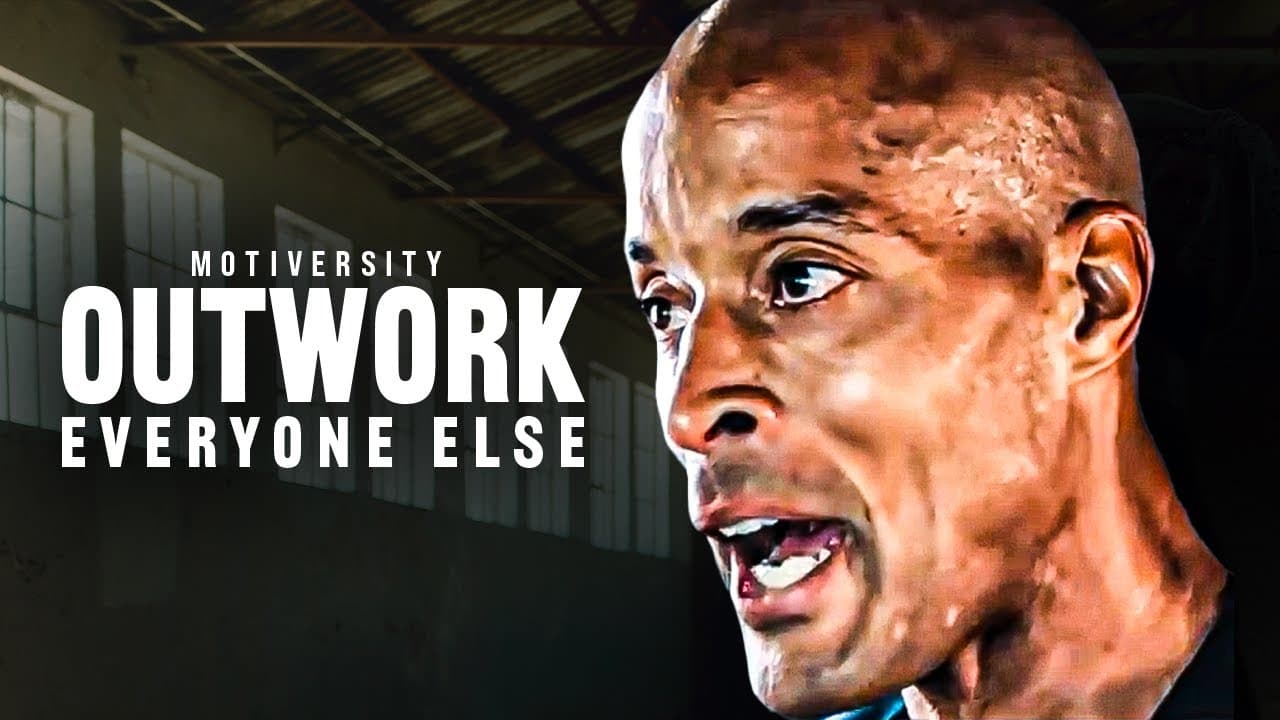
TL;DR
Confidence grows by repeatedly facing fear and discomfort, not by retreating to places that feel safe. Choose difficult challenges, use failure and disappointment as learning tools, and remember how far you have already come. Consistent hard work can reshape your self-belief, strengthen your mental standards, and prove that fear no longer controls your decisions.
Transcript
instead of the path of least resistance I started choosing the path that most resistance to prepare myself for the journey that was coming my way and you realize through hard work you can outwork anybody no matter how badass they are it starts with yourself man you got to start diving into those things that you're afraid of you don't gain confidenc... Read More
Key Insights
- Confidence is built by facing frightening situations and working through them, even when they cannot be overcome every day. Repeated exposure to discomfort supplies real evidence of courage, while confidence based only on comfortable conditions can collapse when life presents a serious challenge.
- The path of greatest resistance can prepare a person for future hardship. Goggins deliberately began choosing difficult routes because avoiding fear allowed his mind to control his direction, while moving toward the fear helped him develop the strength needed for the journey ahead.
- Hard work can compensate for learning difficulties when someone is willing to invest substantially more time than others. Goggins describes studying at a kitchen table, filling 20 spiral notebooks, and working 10 more hours a day to compete academically with stronger students.
- Mental toughness is a daily practice rather than something to sample occasionally. When hardship activates insecurity and the desire for comfort, the mental task is to retrain habitual responses, remember previous progress, and search calmly for a way through the pressure.
- Failure, disappointment, and discomfort are learning tools that can produce a different way of thinking about life. Goggins identifies with the person who keeps getting up after being knocked down, not simply the person who wins everything.
- Human potential is often limited by self-imposed mental caps. Goggins says that most people quit when he feels he has only started, and that changing this interpretation made his mind more powerful before his body followed its direction.
- Self-respect is grounded in remembered effort rather than external recognition. Goggins values the hours, years, and decades invested in changing himself more than trophies, medals, possessions, relationships, or other people's perceptions of him.
- The journey through difficulty shapes personal identity more than reaching a finish line. Goggins says he kept moving after accomplishments without reflecting on his transformation, then realized that recognizing how far he had come was necessary to understand his remaining capacity.
Install to Summarize YouTube Videos and Get Transcripts
Explore YouTube Video Summarizer or Get YouTube Transcript Extractor
Questions & Answers
Q: How can you build confidence by facing discomfort?
Confidence can be built by repeatedly entering situations that create fear or discomfort and refusing to let avoidance determine your direction. Goggins says comfortable environments can create a false sense of confidence that disappears when life becomes difficult. Facing a challenge, even without overcoming it every day, gradually provides evidence that fear does not control you and strengthens your ability to meet future hardship.
Q: Why does choosing the path of resistance build mental toughness?
Choosing the path of resistance forces a person to practice responding to difficulty before an unavoidable challenge arrives. Goggins says the mind naturally looks for the easiest route when fear appears, but deliberately moving toward the feared task changes that pattern. Repeated difficult choices teach the mind to remain engaged, search for solutions, and continue working instead of automatically escaping into comfort.
Q: What is the difference between physical and mental standards?
A physical standard concerns what the body must accomplish, while the mental standard concerns how a person responds to fear, pressure, insecurity, and the temptation to quit. Goggins argues that the mental standard is the essential requirement in life. It includes remembering how far you have come, staying calm when life feels overwhelming, and continuing to look for a way forward rather than surrendering.
Q: How does hard work help overcome learning difficulties?
Hard work can create progress when conventional learning methods do not work for a particular person. Goggins describes spending years at a kitchen table teaching himself to read and write, filling 20 spiral notebooks in the process. He believed he could compete with the top student if he invested 10 more hours a day. That sustained effort became the source of his work ethic and confidence.
Q: Why are failure and disappointment useful learning tools?
Failure and disappointment reveal how a person reacts when success, certainty, and comfort are unavailable. Goggins treats these experiences as opportunities to develop a stronger thought process rather than as signals to stop. He was inspired by the image of a fighter getting up after being knocked down because persistence, rather than winning everything, represented the quality he needed during a difficult period of his life.
Q: How can remembering past progress improve resilience?
Remembering past progress provides concrete evidence that current circumstances are not the full measure of a person's ability. Goggins says he initially failed to reflect on everything he had changed, including losing 106 pounds in less than three months and learning to read. Recognizing the distance from his starting point helped him understand his strength, value his effort, and see that more capacity remained.
Q: Why does Goggins recommend taking on a daily challenge?
A daily challenge repeatedly confronts the belief that fear should control behavior. Goggins decided to give himself a challenge every day until the fear went away, using action to retrain his response rather than waiting to feel comfortable. Each confrontation can weaken avoidance, build confidence, and create greater peace because the feared situation no longer determines which route he chooses through life.
Q: What does it mean to have the courage to face yourself?
Having the courage to face yourself means examining your fears, insecurities, limitations, and personal history without hiding behind comfort or external rewards. Goggins says he once thought cars, women, and other achievements would supply what was missing. He later concluded that the missing piece was himself. The effort invested in confronting and rebuilding that self became more meaningful than trophies, medals, or public perception.
Summary & Key Takeaways
-
David Goggins argues that confidence is built in the discomfort zone by confronting fears instead of choosing the path of least resistance. Daily challenges retrain the mind, while hard work provides evidence of personal capability. The goal is not to feel fearless, but to keep facing fear until it loses control.
-
Mental toughness must be practiced every day rather than sampled occasionally. Failure, disappointment, and hardship can become learning tools when a person remains calm, searches for a way forward, and remembers previous progress. Goggins describes this mental standard as more important than merely satisfying a physical standard.
-
Goggins traces his work ethic to the kitchen table, where he filled 20 spiral notebooks while teaching himself to read and write. He says the courage to face himself mattered more than cars, relationships, trophies, or medals. The difficult journey, not a finish line, created the person he became.
Read in Other Languages (beta)
Share This Summary 📚
Summarize YouTube Videos and Get Video Transcripts with 1-Click
Try YouTube Summary with ChatGPT & Claude or YouTube Transcript Generator
Explore More Summaries from Motiversity 📚






Summarize YouTube Videos and Get Video Transcripts with 1-Click
Try YouTube Summary with ChatGPT & Claude or YouTube Transcript Generator