Why Did Trump Only Target Maduro in Venezuela?
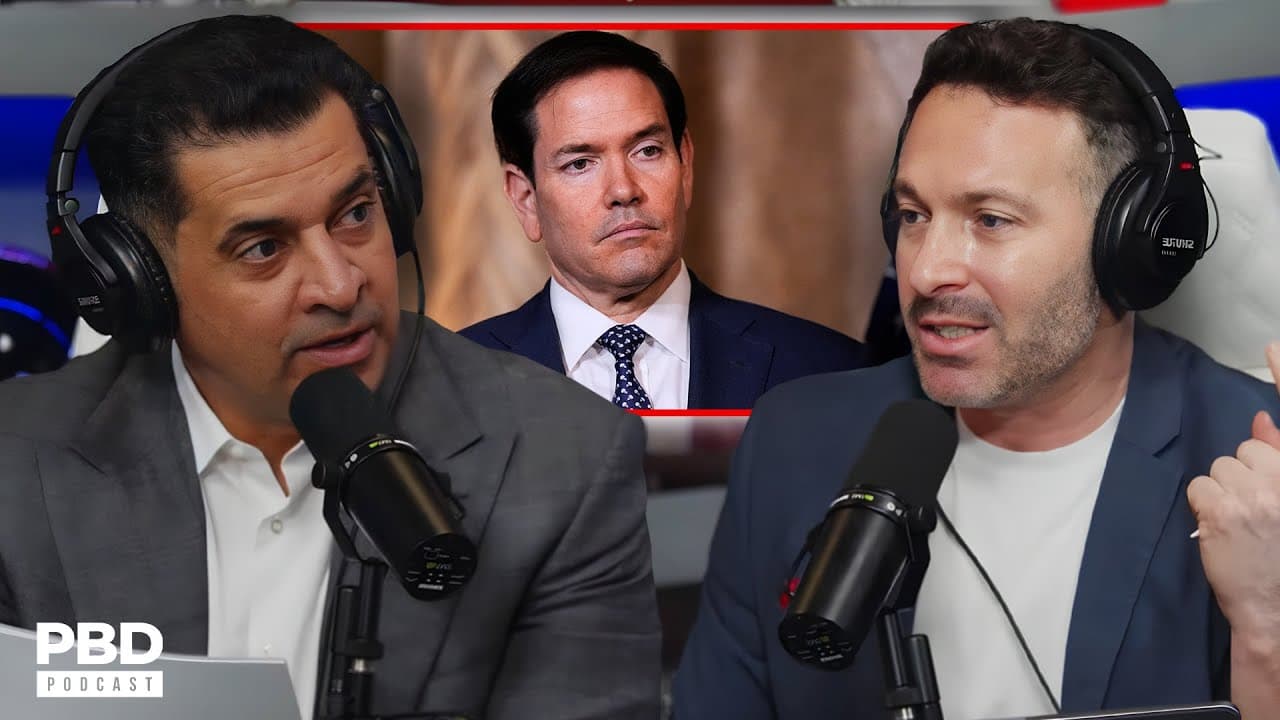
TL;DR
The U.S. operation to capture Nicolas Maduro was a strategic move prioritizing the most significant target in Venezuela. Capturing Maduro was challenging and required precision, involving landing helicopters on a military base. The operation aimed to send a message to adversaries like China, Russia, and Iran about U.S. intentions in the Western Hemisphere.
Transcript
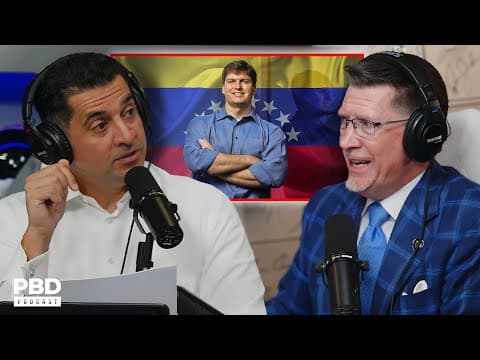
this reporter here that uh uh uh uh Marco Rubio goes on, she's asking the question saying, "How come you didn't get more people? Why did you only get Maduro? Why did you only do this?" And just watch R. This is why Rubio to me is slowly becoming the number one draft pick for 2028 election for president. I just want you to see this. Go ahead, Rob. P... Read More
Key Insights
- The U.S. operation focused on capturing Nicolas Maduro, the top target, due to his claim as Venezuela's president.
- The mission was complex, involving landing on a military base and extracting Maduro without losses.
- Critics questioned why only Maduro was targeted, but logistical challenges and priorities dictated the scope.
- The operation aimed to send a geopolitical message to China, Russia, and Iran about U.S. dominance in the Western Hemisphere.
- Media criticism highlighted perceived hypocrisy, as some outlets called for more intervention despite past criticisms of U.S. military actions.
- The U.S. does not need Venezuelan oil but aims to prevent adversaries from controlling it.
- The operation was not intended to start a foreign war but to execute a precise, legal action.
- The Monroe Doctrine underpins U.S. actions to prevent foreign adversaries from establishing bases in the Western Hemisphere.
Install to Summarize YouTube Videos and Get Transcripts
Explore YouTube Video Summarizer or Get YouTube Transcript Extractor
Questions & Answers
Q: Why did the U.S. only capture Nicolas Maduro in Venezuela?
The U.S. prioritized capturing Nicolas Maduro as he was the most significant target, claiming to be Venezuela's president. The operation was complex, involving a military base extraction, and prioritizing Maduro allowed for a focused, precise mission. Logistical challenges and the need to avoid prolonged military presence dictated the operation's limited scope.
Q: What message did the U.S. operation in Venezuela send to other countries?
The operation sent a message to global adversaries such as China, Russia, and Iran about U.S. intentions to maintain dominance in the Western Hemisphere. It demonstrated the U.S.'s ability to execute precise, strategic military actions and underscored the importance of preventing foreign adversaries from establishing a foothold in the region.
Q: How does the Monroe Doctrine relate to the U.S. operation in Venezuela?
The Monroe Doctrine underpins the U.S. operation in Venezuela by emphasizing the U.S.'s intent to maintain dominance in the Western Hemisphere. It serves as a policy to prevent foreign adversaries from establishing bases in the region, ensuring that countries like China, Russia, and Iran do not gain influence in the U.S.'s backyard.
Q: What were the logistical challenges of the U.S. operation to capture Maduro?
The operation involved landing helicopters on a Venezuelan military base, capturing Maduro, and extracting him without losses. This required precise coordination and execution, as the mission took place in a heavily fortified area. The complexity of the operation limited the scope to capturing the top target, Maduro, rather than multiple figures simultaneously.
Q: Why is the U.S. concerned about Venezuelan oil control?
The U.S. is concerned about Venezuelan oil control to prevent adversaries like China, Russia, and Iran from gaining influence in the Western Hemisphere. While the U.S. does not need Venezuelan oil, controlling it ensures that proceeds benefit the Venezuelan people and prevents adversaries from using it as a strategic asset against U.S. interests.
Q: How did media react to the U.S. operation in Venezuela?
Media reactions varied, with some outlets criticizing the limited scope of the operation and questioning why only Maduro was targeted. This criticism highlighted perceived hypocrisy, as some called for more intervention despite past criticisms of U.S. military actions. The operation's strategic intent was to execute a precise, legal action without starting a foreign war.
Q: What were the geopolitical implications of the U.S. operation in Venezuela?
The operation had significant geopolitical implications, reinforcing U.S. dominance in the Western Hemisphere and sending a clear message to adversaries like China, Russia, and Iran. It demonstrated the U.S.'s strategic intent to protect its interests in the region and prevent foreign adversaries from establishing a foothold in Venezuela.
Q: What role does the Monroe Doctrine play in U.S. foreign policy?
The Monroe Doctrine plays a crucial role in U.S. foreign policy by asserting U.S. dominance in the Western Hemisphere. It serves as a policy to prevent foreign adversaries from gaining influence in the region, ensuring that the U.S. maintains control over its strategic interests and protects its backyard from external threats.
Summary & Key Takeaways
-
The U.S. operation to capture Nicolas Maduro was a precise, strategic move aimed at removing the most significant threat in Venezuela. The mission was complex, requiring landing on a military base and extracting Maduro without any losses. Critics questioned the limited scope, but logistical challenges and prioritizing the top target dictated the operation's extent.
-
The operation sent a strong message to global adversaries like China, Russia, and Iran about U.S. intentions in the Western Hemisphere. The U.S. does not need Venezuelan oil but seeks to prevent adversaries from controlling it. This approach aligns with the Monroe Doctrine, emphasizing U.S. dominance in the region.
-
Media criticism of the operation highlighted perceived hypocrisy, as some outlets called for more intervention despite criticizing past U.S. military actions. The operation was not intended to start a foreign war but to execute a precise, legal action, showcasing U.S. military capability and strategic intent.
Read in Other Languages (beta)
Share This Summary 📚
Summarize YouTube Videos and Get Video Transcripts with 1-Click
Try YouTube Summary with ChatGPT & Claude or YouTube Transcript Generator
Explore More Summaries from Valuetainment 📚

Summarize YouTube Videos and Get Video Transcripts with 1-Click
Try YouTube Summary with ChatGPT & Claude or YouTube Transcript Generator