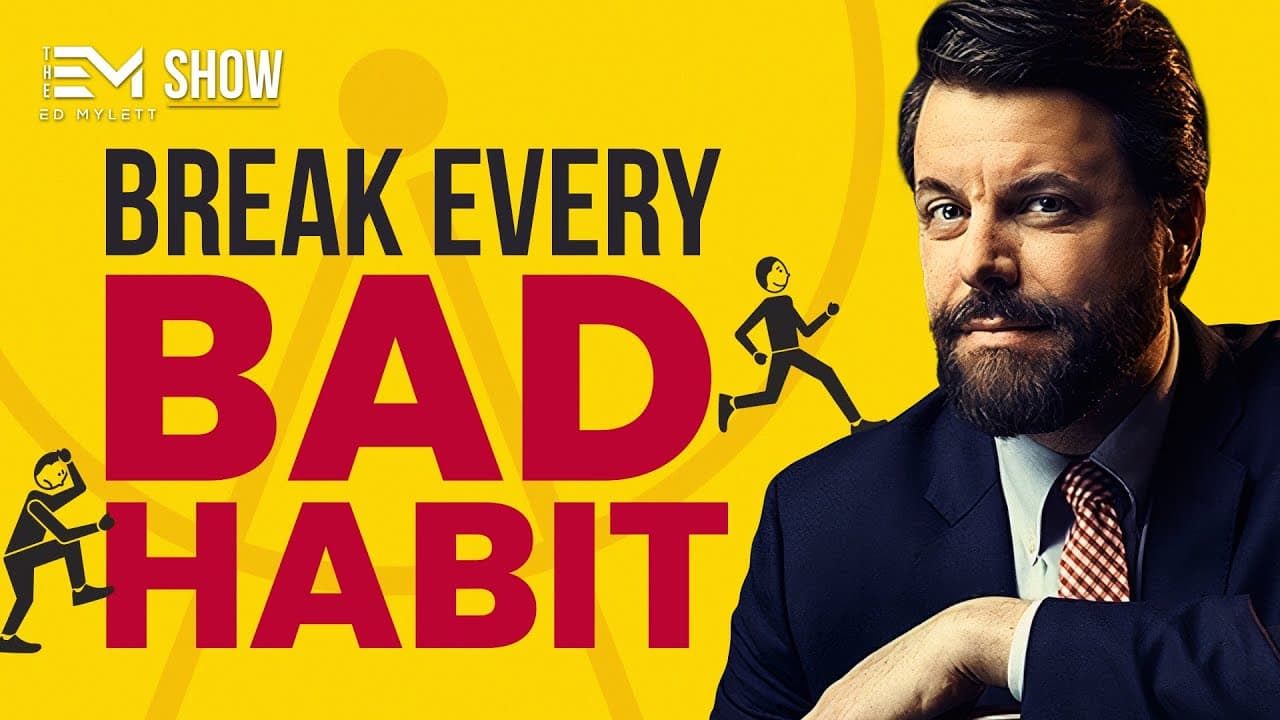
How to Change BAD HABITS and Become A BETTER YOU w/ Charles Duhigg
TL;DR
Charles Duhigg explains how to change habits using cues and rewards.
Transcript
so what's the difference between a good habit and a bad habit you know should the strategies differ and the answer is your brain doesn't distinguish between good habits and bad habits your brain just says habits you decide which one is a good one or a bad one your brain just wants to automate everything it can and so there are often times when a ci... Read More
Key Insights
- The brain doesn't distinguish between good and bad habits; it just automates behaviors to conserve energy.
- Habits consist of a cue, routine, and reward, forming a loop that can be modified to change behavior.
- Identifying cues and rewards is crucial for altering habits, as they drive the automatic behaviors in our lives.
- Organizations can improve efficiency by recognizing and modifying habitual behaviors, such as email practices.
- Keystone habits, like exercise, can trigger positive changes in multiple areas of life by altering self-perception.
- Immediate rewards, even if small, are essential for reinforcing new habits and ensuring they stick.
- Unexpected rewards can enhance motivation and performance in both personal and organizational settings.
- Starting small and gradually increasing efforts can help in successfully establishing new habits.
Install to Summarize YouTube Videos and Get Transcripts
Explore YouTube Video Summarizer or Get YouTube Transcript Extractor
Questions & Answers
Q: What is the habit loop and how can it be changed?
The habit loop consists of a cue, routine, and reward. To change a habit, one should identify the cue and reward, then modify the routine that connects them. By doing so, you can alter automatic behaviors and create new, positive habits.
Q: How can organizations benefit from understanding habits?
Organizations can improve efficiency and work culture by recognizing habitual behaviors and modifying them. For example, addressing email habits by reducing unnecessary CCs can streamline communication. Keystone habits can also drive positive changes across the organization.
Q: What role do rewards play in habit formation?
Rewards are crucial in reinforcing habits. Immediate rewards, even if small, strengthen the habit loop and make behaviors more likely to be repeated. Unexpected rewards can also enhance motivation and encourage continued engagement in positive behaviors.
Q: How can one start creating a new habit?
To create a new habit, start small and identify a specific cue and reward. Gradually increase efforts and ensure the reward is immediate to reinforce the habit. Over time, this approach helps in embedding the new habit into your routine.
Q: What are keystone habits and their impact?
Keystone habits are behaviors that trigger positive changes in multiple areas of life. For example, exercise can improve eating habits, productivity, and financial decisions by altering self-perception and driving a chain reaction of positive behaviors.
Q: How do casinos use habits to their advantage?
Casinos exploit habits by using near misses and intermittent rewards to create a sense of anticipation and encourage continued gambling. Understanding these tactics can help individuals recognize and resist the habitual pull of gambling.
Q: Why is starting small important in habit formation?
Starting small makes new habits manageable and less overwhelming, increasing the likelihood of success. By gradually increasing efforts and ensuring immediate rewards, individuals can establish lasting habits without feeling discouraged.
Q: How can unexpected rewards benefit leadership?
In leadership, providing unexpected rewards can enhance motivation and strengthen team engagement. Recognizing and rewarding efforts without prior notice fosters a positive work environment and encourages continued high performance.
Summary & Key Takeaways
-
Charles Duhigg discusses the concept of habit loops, explaining how habits are formed and how they can be changed by modifying cues and rewards. He emphasizes the importance of recognizing these elements to gain control over habits.
-
In organizations, understanding and altering habitual behaviors can lead to increased efficiency and a better work culture. Keystone habits like exercise can have a ripple effect, improving various aspects of life by changing self-identity.
-
Duhigg highlights the significance of immediate and unexpected rewards in reinforcing new habits and motivating individuals. He advises starting small when creating new habits to ensure they become ingrained over time.
Read in Other Languages (beta)
Share This Summary 📚
Summarize YouTube Videos and Get Video Transcripts with 1-Click
Try YouTube Summary with ChatGPT & Claude or YouTube Transcript Generator
Explore More Summaries from Ed Mylett 📚



Summarize YouTube Videos and Get Video Transcripts with 1-Click
Try YouTube Summary with ChatGPT & Claude or YouTube Transcript Generator