How to Create a Fully Automated Smart Home
TL;DR
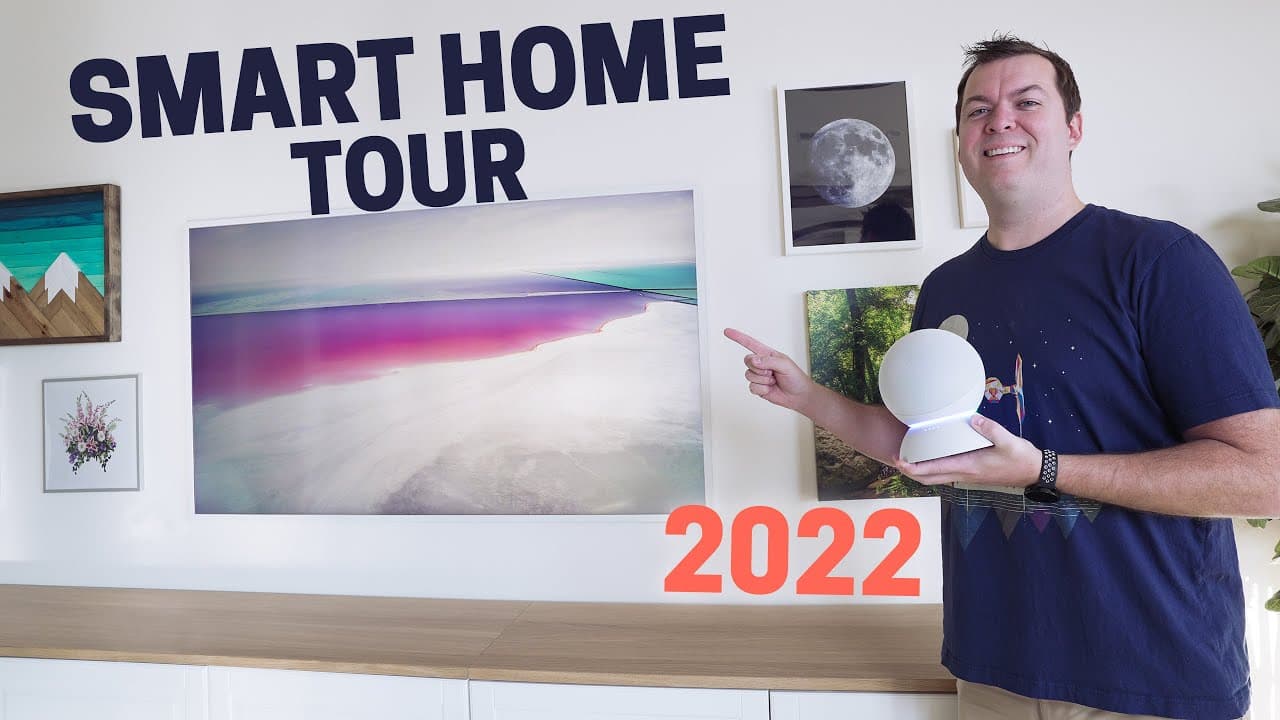
To create a fully automated smart home, use smart light switches and motion sensors to manage lighting based on activity, integrate devices like video doorbells and smart displays for convenience and security, and consider advanced automation systems like Raspberry Pi for customized control. This setup enhances convenience and functionality throughout the home.
Transcript
hey what's up welcome to our house it's been a while since our last tour video and i can't wait to show you all my favorite smart devices and automations i'm using around here as you probably know i set up everything myself so anyone could do any of this stuff there's a lot to go over so let's get started here in the family room so here in the fami... Read More
Key Insights
- 📱 Cost-effective smart light switches are preferable over smart bulbs for user-friendliness and easy automation.
- 🖐️ Motion sensors play a crucial role in automating lighting but can be temporarily disabled for convenience.
- 👻 Integrating different smart devices across various rooms allows for a synchronized and connected home environment.
- 🏪 Actions triggered by doorbell notifications on the TV enhance security and convenience.
- 🥳 Utilizing voice-activated devices like Echo and Google Home aids in seamless control and automation in different parts of the house.
- 🤵 Implementing smart solutions in specific areas like the pantry, bathroom, and laundry room enhances functionality and convenience.
- 👻 Leveraging technology like Raspberry Pi and room assistant program allows for advanced automation based on location.
Install to Summarize YouTube Videos and Get Transcripts
Explore YouTube Video Summarizer or Get YouTube Transcript Extractor
Questions & Answers
Q: How do smart light switches differ from smart bulbs in terms of cost and user-friendliness?
Smart light switches are preferred over bulbs due to cost-effectiveness and user-friendliness. They offer easy control for anyone in the house and enable automation at a lower cost compared to smart bulbs.
Q: What unique automation is showcased with the video doorbell and TV setup in the family room?
The automation involves displaying a notification on the TV when someone approaches the front door, allowing residents to see if it's a visitor or a package without interrupting their viewing experience.
Q: How do motion sensors contribute to automating lighting in the house, and what family-friendly feature do they offer?
Motion sensors automatically turn on lights when someone enters a room but can be frustrating when watching TV; a simple solution is shared to disable them temporarily by flipping the sensor around.
Q: How are smart devices utilized in the theater room to enhance the entertainment experience?
The theater room features a synced setup with a 120-inch screen, smart lighting, and a tablet dashboard to control the projector, sound, and lights, offering a seamless movie or gaming experience.
Summary & Key Takeaways
-
Smart devices and automations throughout the house enhance convenience and functionality, from displaying art on the TV to automating lights based on activities.
-
Various smart devices, including motion sensors, smart light switches, and contact sensors, control lighting, security, and more.
-
The homeowner shares insights on integrating different tech products seamlessly for a connected smart home experience.
Read in Other Languages (beta)
Share This Summary 📚
Summarize YouTube Videos and Get Video Transcripts with 1-Click
Try YouTube Summary with ChatGPT & Claude or YouTube Transcript Generator
Explore More Summaries from Smart Home Solver 📚





Summarize YouTube Videos and Get Video Transcripts with 1-Click
Try YouTube Summary with ChatGPT & Claude or YouTube Transcript Generator