How to turn hardware ideas into viral products
TL;DR
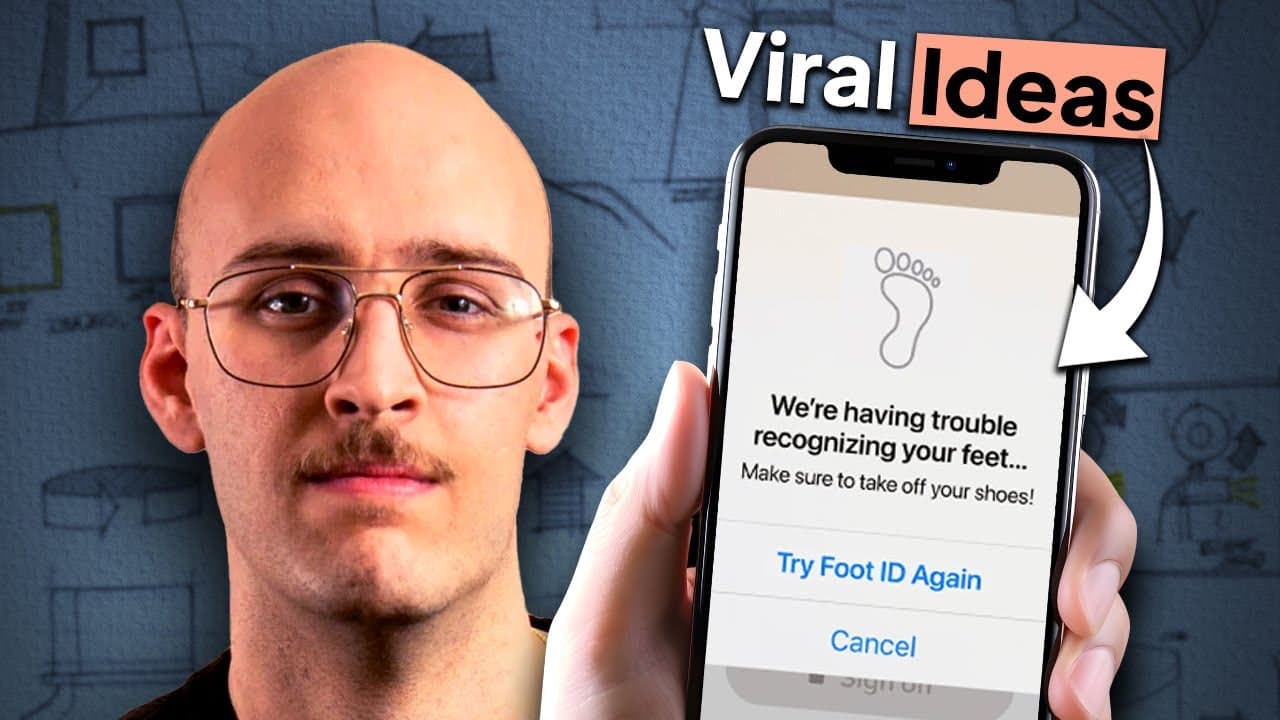
Start by identifying the pain in user experiences and then reverse engineer a solution. Test ideas aggressively, iterate with samples, and subsidies like pre-orders to fund initial runs. Build a memorable brand and consider new hardware form factors beyond phones to drive adoption and growth.
Transcript
rather than starting with question of how can I make this thing better most of my work starts with why does this suck so bad and like how could I make it suck more I wasn't necessarily creating a product I was creating the medic content exacerbating the pain that people feel you'll often understand parts of the experience or patterns that lead to t... Read More
Key Insights
- Pain-first approach: the main driver is understanding why things suck and solving that problem, not simply improving existing solutions.
- Reverse engineering: by mapping the user journey and pain points, you can design a solution that aligns with real needs.
- Testing and iteration: a lot of experimentation and rapid prototyping are essential to find what resonates and works.
- Pre-orders subsidize initial costs: using pre-orders and payment links allows creators to fund first runs without heavy upfront capital.
- Manufacturing access is democratized: individuals can find manufacturers and bring ideas to life with relatively small teams.
- Hardware as a complementary form factor: many players are exploring devices outside the traditional phone, like wearable or pendant tech.
- Brand and storytelling: a memorable, credible brand helps ideas gain traction and spread.
- Nostalgia and form factor impact: leveraging familiar design memories can boost engagement and long term impact.
- More videos from this channel:
- More from this channel: Greg Isenberg
Install to Summarize YouTube Videos and Get Transcripts
Explore YouTube Video Summarizer or Get YouTube Transcript Extractor
Questions & Answers
Q: How to identify a product idea from user pain points?
To identify a product idea from user pain points, start by observing where experiences fail or cause frustration and ask why the current experience sucks. Map the user journey, isolate the most painful steps, and brainstorm solutions that directly address those bottlenecks. Validate the idea with small tests and feedback before committing to development.
Q: What does it mean to reverse engineer a solution from pain?
Reverse engineering from pain means outlining the desired outcome for the user and then working backwards to define the features, design, and form factor that deliver that outcome. It involves testing assumptions, discarding what doesn’t solve the pain, and iterating until the proposed solution directly resolves the core issue.
Q: Why are pre-orders useful for hardware projects?
Pre-orders are useful because they provide early validation and generate cash flow to subsidize the initial manufacturing run. By collecting orders and payments upfront, creators can minimize risk, gauge demand more accurately, and scale production based on real customer commitment rather than forecasted interest.
Q: How can a creator bootstrap a hardware product?
A creator can bootstrap by leveraging an existing audience to validate demand, commissioning prototypes from manufacturers, and using simple online tools to manage orders. The key steps are defining specs, sourcing affordable samples, launching pre-orders, and gradually increasing production as demand proves itself, keeping overhead manageable.
Q: What form factors are being explored beyond the smartphone?
Exploration is focused on devices like wearables, pendants, or compact cases that enhance interaction without requiring the user to rely solely on a phone. These form factors aim to reduce friction, offer new ways to access information, and create different usage scenarios that can disrupt current habits.
Q: How important is branding in a hardware product rollout?
Branding is essential because it helps a product stand out in a crowded market and creates an emotional connection with users. A clear, credible brand communicates purpose, design philosophy, and quality, which in turn boosts trust, recall, and willingness to try the product even if it disrupts familiar routines.
Q: What role does nostalgia play in hardware adoption?
Nostalgia can drive initial interest and emotional resonance by tapping into familiar visuals or memories associated with older devices. By invoking recognizable design cues, creators can lower barriers to adoption and create a sense of familiarity that makes a new hardware concept feel approachable and worth trying.
Q: What are practical steps to test a hardware idea quickly?
Practical steps include defining a minimal viable concept, creating a quick render or prototype, finding a small number of manufacturers for samples, setting up a pre-order payment link, and collecting feedback on design and usability. Iterate on the concept based on reactions and data before committing to a larger production run.
Summary & Key Takeaways
-
A knoledgeable host argues that building viral products starts with diagnosing pain and a deep understanding of the user experience, then reversing the process to create solutions that resonate.
-
Hardware success can come from bootstrapping through audience-led demand, using pre-orders to subsidize manufacturing costs and partnering with manufacturers to iterate on design and production.
-
Long term impact comes from experimentation, nostalgia, and willingness to swing with new hardware form factors that change how people interact with technology.
Read in Other Languages (beta)
Share This Summary 📚
Summarize YouTube Videos and Get Video Transcripts with 1-Click
Try YouTube Summary with ChatGPT & Claude or YouTube Transcript Generator
Explore More Summaries from Greg Isenberg 📚




Summarize YouTube Videos and Get Video Transcripts with 1-Click
Try YouTube Summary with ChatGPT & Claude or YouTube Transcript Generator