How to gain psychopathic confidence and respect
TL;DR
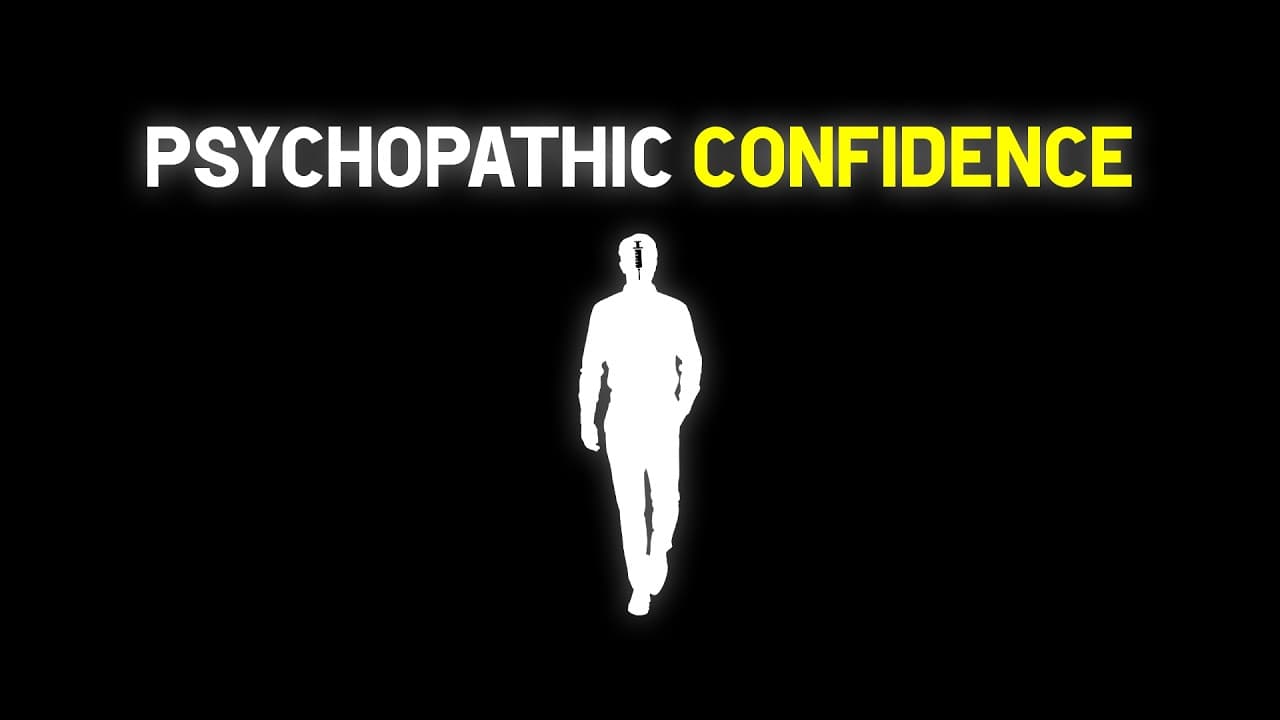
Self-confidence comes from internal self-worth and accepting flaws, not from others approval. You should act with independence, avoid bragging, and let your actions reveal your value. The approach emphasizes self sufficiency, realistic self view, and choosing boundaries rather than seeking validation.
Transcript
in this video I'm going to share a secret with you a secret that will give you extraordinary power so much so that you won't even have time to respond to the girls who admire you you'll gain loyal friends who will form a Brotherhood with you for life and you'll build Social Circles and connections like a celebrity everyone will respect you and prom... Read More
Key Insights
- X is the core idea that confidence is internal and independent of others approval.
- The key to higher self worth is self acceptance of both strengths and weaknesses.
- The video promotes not bragging or validating yourself through possessions or others opinions.
- Confident people let others discover their value through actions, not words.
- Social media illusion lowers self worth and should be treated as misleading.
- Value comes from how you treat yourself, not from external signs of success.
- If asked about preferences, say what you actually like and avoid unnecessary defense.
- Self sufficiency is shown by not needing others validation to feel worthy.
- More videos from this channel:
- More from this channel: The Dark Needle
Install to Summarize YouTube Videos and Get Transcripts
Explore YouTube Video Summarizer or Get YouTube Transcript Extractor
Questions & Answers
Q: What is psychopathic confidence and how is it different from ordinary self confidence
Psychopathic confidence, as described in the video, is an internal state of self worth that does not rely on others approval. It is built by accepting flaws, maintaining self sufficiency, and letting actions speak for themselves. Unlike typical confidence, it emphasizes not needing to prove yourself, resisting bragging, and showing steadiness under social scrutiny.
Q: How can someone start accepting their flaws according to the video
Start by honestly identifying a flaw you have and deciding whether it can be changed. If you cannot change it, accept it and pride yourself in that acceptance. The approach recommends responding to criticisms with acknowledgment rather than defense, for example by simply saying yes I am short or yes I lie, and moving on.
Q: What role does social media play in self worth as per the video
The video explains social media creates illusions that lower self worth by presenting a curated ideal. It advises viewers to recognize these images as illusions and to not measure themselves against them. Instead, focus on internal value—what you think, how you act, and your progress toward personal goals.
Q: How should you handle situations where someone challenges your tastes or opinions
Respond with clarity and simplicity, stating your preference without over defending it. If someone challenges your taste, either acknowledge your preference and move on or respectfully disagree while avoiding a long debate. The goal is to maintain confidence while not seeking consensus or approval from others.
Q: What is the recommended approach to proving yourself in conversations
Avoid trying to prove yourself through words or sudden boasts. Let people observe your qualities and actions over time. When confronted with temptations to boast or justify, respond briefly, then shift the topic back to actions and outcomes that demonstrate your value rather than recounting achievements.
Q: How does the video advise you to respond to criticism about your weaknesses
The recommended approach is to acknowledge weaknesses openly and refrain from over explaining or defending yourself. By accepting imperfections, you reduce others ability to weaponize them. This stance conveys inner strength and reduces the emotional impact of criticism, reinforcing your confidence regardless of others opinions.
Q: What does the video say about value and how it is assigned
Value is something you assign to yourself based on your internal standards and self worth. The video argues that external recognition only matters if you have already given yourself a baseline value. By increasing your internal rating, you influence how others perceive and treat you without needing external validation.
Q: What practical steps build internal confidence according to the video
Practical steps include accepting flaws, avoiding bragging, speaking honestly about tastes, observing rather than defending, and acting with consistency in line with your own standards. Daily practice of self worth, truthfulness to self and others, and choosing not to seek approval are presented as the core routines to build lasting confidence.
Summary & Key Takeaways
-
You will learn that true confidence is an internal game and that self worth must be raised from inside. The video argues you should accept flaws, align your actions with your values, and avoid proving yourself to others. It also warns against comparing yourself to curated images on social media and demonstrates how to project calm, deliberate self assurance.
-
The guidance centers on not seeking external validation, instead treating yourself as valuable. It uses practical examples like handling comparisons, responding to criticism, and choosing not to defend every personal preference. The aim is to cultivate a stable, unshakeable sense of self worth.
-
The content positions confidence as a skill you practice daily through self acceptance, value creation, and controlled self presentation. It stresses that noticeable changes in social outcomes arise from internal shifts rather than external confirmation, encouraging consistent practice and reflection to build lasting personal power.
Read in Other Languages (beta)
Share This Summary 📚
Summarize YouTube Videos and Get Video Transcripts with 1-Click
Try YouTube Summary with ChatGPT & Claude or YouTube Transcript Generator
Explore More Summaries from The Dark Needle 📚

Summarize YouTube Videos and Get Video Transcripts with 1-Click
Try YouTube Summary with ChatGPT & Claude or YouTube Transcript Generator