How Does Adoption Shape Racial Identity?
TL;DR
Transracial adoption requires more than affection, financial security, or occasional cultural symbols. Parents must discuss race and prejudice openly, sustain meaningful connections to the child’s culture, defend the child against racism, and sometimes enter uncomfortable spaces that help them understand the isolation their child may face.
Transcript
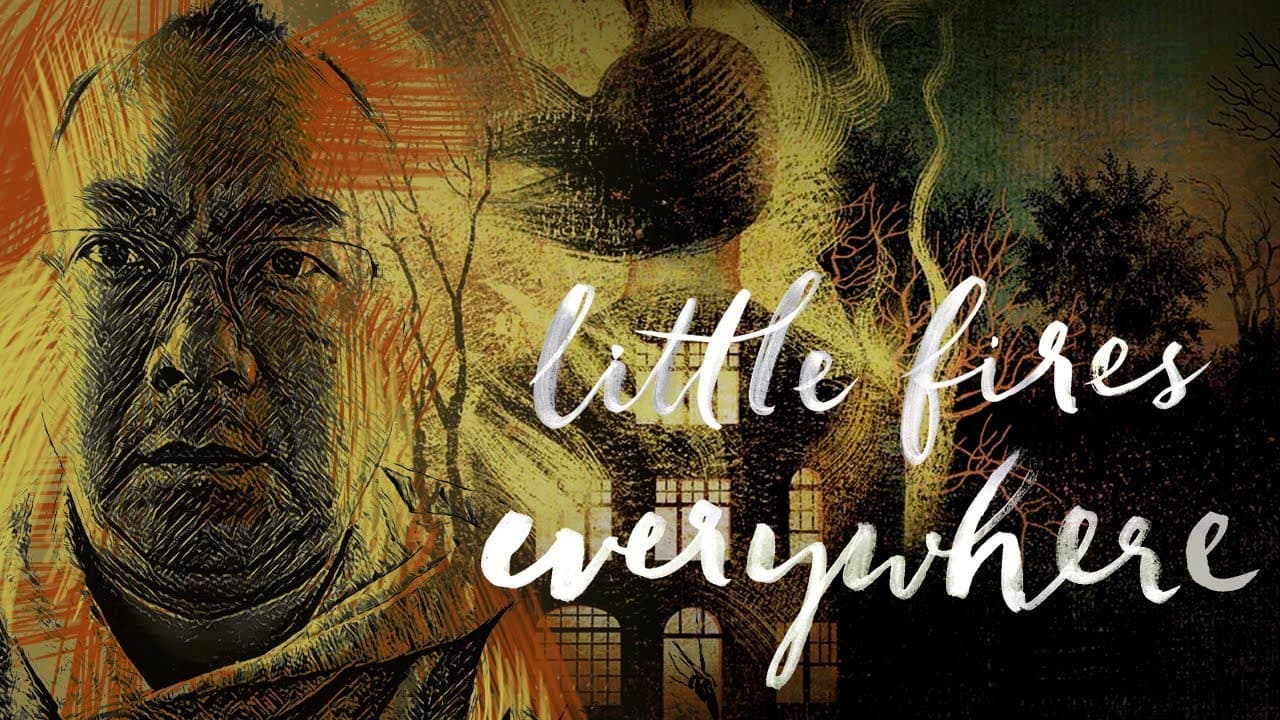
So you don't need me to tell you about Celeste Ng's latest book. Celebrity book nerd Reese Witherspoon Instagrammed it - said it brought her to tears. John Green called it his favorite novel of the year. Mindy Kaling, Roxanne Gay and Judy Blume have all professed their love of this book. Celeste Ng even made a guest appearance on Late Night with Se... Read More
Key Insights
- Little Fires Everywhere is structured by revealing the Richardson house fire first, then tracing backward to explain its causes. The burning house also functions as a metaphor for the collapse of an affluent family’s polished life and the darker tensions concealed beneath its orderly exterior.
- Class disparity is central to the relationship between the wealthy Richardson family and Mia Warren, a nomadic artist who rents their duplex. Mrs. Richardson views renting to Mia and employing her as domestic help as generous acts, but her self-satisfaction exposes the privilege shaping their unequal relationship.
- Motherhood is the novel’s dominant concern, while male characters remain largely in the background. Its mother-daughter relationships suggest that daughters sometimes need to rebel to define themselves, and that a chosen maternal figure may understand someone more clearly than the mother to whom she was born.
- The custody conflict contrasts material security with biological and cultural connection. The wealthy white McCulloughs can offer the adopted child comfort and opportunity, while Bebe Chow faces poverty and instability, yet Bebe remains the child’s birth mother and demands the return of Mei Ling.
- Good intentions are insufficient when they reduce culture to restaurants, products, plants, or symbolic purchases. The McCulloughs’ plans to visit Chinese restaurants and choose a panda demonstrate how efforts to honor an adopted child’s background can collide with privilege, assumptions, and an unwillingness to address racial prejudice directly.
- Transracial adoption is an ongoing responsibility rather than a single act of choosing a child. Nicole Chung’s experience suggests that adoptive parents must continue choosing their child by defending the child’s American identity, opposing racism, and supporting the rights of the adoptee and the adoptee’s children.
- Racial awareness develops early, according to research cited in the discussion. Children can differentiate races by fifteen months and may begin developing racial biases between three and five years old, making regular exposure to trusted people who share an adopted child’s racial identity especially important.
- Parental discomfort can become a tool for empathy in transracial adoption. White parents attending a predominantly Black church may feel conspicuous, judged, or resented, but experiencing that discomfort can help them understand a feeling their Black daughter may encounter throughout her life.
Install to Summarize YouTube Videos and Get Transcripts
Explore YouTube Video Summarizer or Get YouTube Transcript Extractor
Questions & Answers
Q: How does Little Fires Everywhere explore racial identity?
Little Fires Everywhere explores racial identity through the disputed adoption of Mei Ling Chow, renamed Mirabelle Rose McCullough by her wealthy white adoptive parents. The conflict asks whether material comfort can outweigh biological connection, cultural belonging, and cultural loss. It also shows how sincere efforts to celebrate Chinese culture can remain superficial when parents avoid deeper conversations about race, prejudice, privilege, and identity.
Q: What is the central adoption conflict in Little Fires Everywhere?
Bebe Chow leaves her newborn at a fire station while cold, broke, alone, and desperate. After receiving shelter, food, medical help, and antidepressants, she recovers but cannot locate her child. More than a year later, she discovers that the wealthy white McCullough family has adopted Mei Ling and renamed her Mirabelle, prompting Bebe to demand her daughter’s return.
Q: Why are the McCulloughs’ cultural efforts criticized?
The McCulloughs intend to respect their adopted daughter’s Chinese background, but their proposed actions remain limited to visiting Chinese restaurants so she can hear some Chinese and buying a panda instead of a teddy bear. These gestures reveal how privilege and cultural assumptions can turn culture into symbols while avoiding harder discussions about race, prejudice, belonging, and the cultural loss adoption may produce.
Q: How does the novel portray mothers and daughters?
The novel presents motherhood and mother-daughter relationships as central forces, with men mostly remaining in the background. It suggests that daughters often rebel against their mothers to establish independent identities. It also distinguishes between the mother someone is born to and a mother they choose, proposing that an outside maternal figure may sometimes see a daughter more clearly, especially when biological mothers and daughters are very similar.
Q: What does Nicole Chung’s adoption story reveal about American identity?
Nicole Chung’s account shows that a non-white person raised by white American parents may still be treated as foreign and asked where they are really from. She argues that adoption is not simply a one-time happy ending for adoptive parents. Their responsibility continues through defending their child’s American identity, recognizing racism, resisting political bigotry, and supporting the rights of the adoptee and the adoptee’s children.
Q: Why does racial representation matter for adopted children?
The discussion cites research indicating that children can differentiate between races as early as fifteen months and may begin developing racial biases between three and five years old. If a Black adopted child is always surrounded by white people, she may infer that white people are more deserving of love and trust. Meaningful contact with Black communities can therefore support a healthier understanding of race and belonging.
Q: Why might white adoptive parents benefit from entering uncomfortable spaces?
White parents attending a predominantly Black church may feel visible, judged, or occasionally resented because they are racial outsiders in that setting. The advice presented argues that this discomfort has value because their Black daughter may experience comparable feelings throughout her life. Sharing a version of that experience can deepen the parents’ empathy and help them understand what constant racial othering feels like.
Q: How does the Richardson house fire shape the novel?
The novel opens with the Richardson family’s six-bedroom house already ablaze and identifies the absent youngest daughter, Izzy, as the likely culprit. The rest of the story works backward to uncover how the family reached that point. Beyond organizing the plot, the fire symbolizes the destruction of the Richardsons’ polished, affluent life and exposes the class conflict and concealed tensions beneath it.
Summary & Key Takeaways
-
Celeste Ng’s second novel begins with the Richardson family’s house burning and then works backward to reveal how their affluent, carefully ordered life unraveled. The arrival of artist Mia Warren and her daughter Pearl exposes class differences, while conflicts involving mothers and daughters explore identity, rebellion, nature, nurture, and chosen maternal relationships.
-
The central adoption dispute concerns Bebe Chow, who abandoned her newborn during a period of poverty and desperation, and the wealthy white McCullough family, who later adopted the child. Their conflict raises difficult questions about biological motherhood, financial stability, cultural belonging, privilege, and whether good intentions adequately address racial identity and cultural loss.
-
The discussion connects the novel to Nicole Chung’s account of growing up as a non-white adoptee with white parents and to advice about raising a Black adopted daughter. Children recognize racial differences and develop biases early, so parents must create meaningful racial connections, confront prejudice, and experience discomfort that helps them empathize with their child’s lifelong othering.
Read in Other Languages (beta)
Share This Summary 📚
Summarize YouTube Videos and Get Video Transcripts with 1-Click
Try YouTube Summary with ChatGPT & Claude or YouTube Transcript Generator
Explore More Summaries from ThePoptimist 📚






Summarize YouTube Videos and Get Video Transcripts with 1-Click
Try YouTube Summary with ChatGPT & Claude or YouTube Transcript Generator