How to Recognize Narcissistic Relationship Patterns
TL;DR
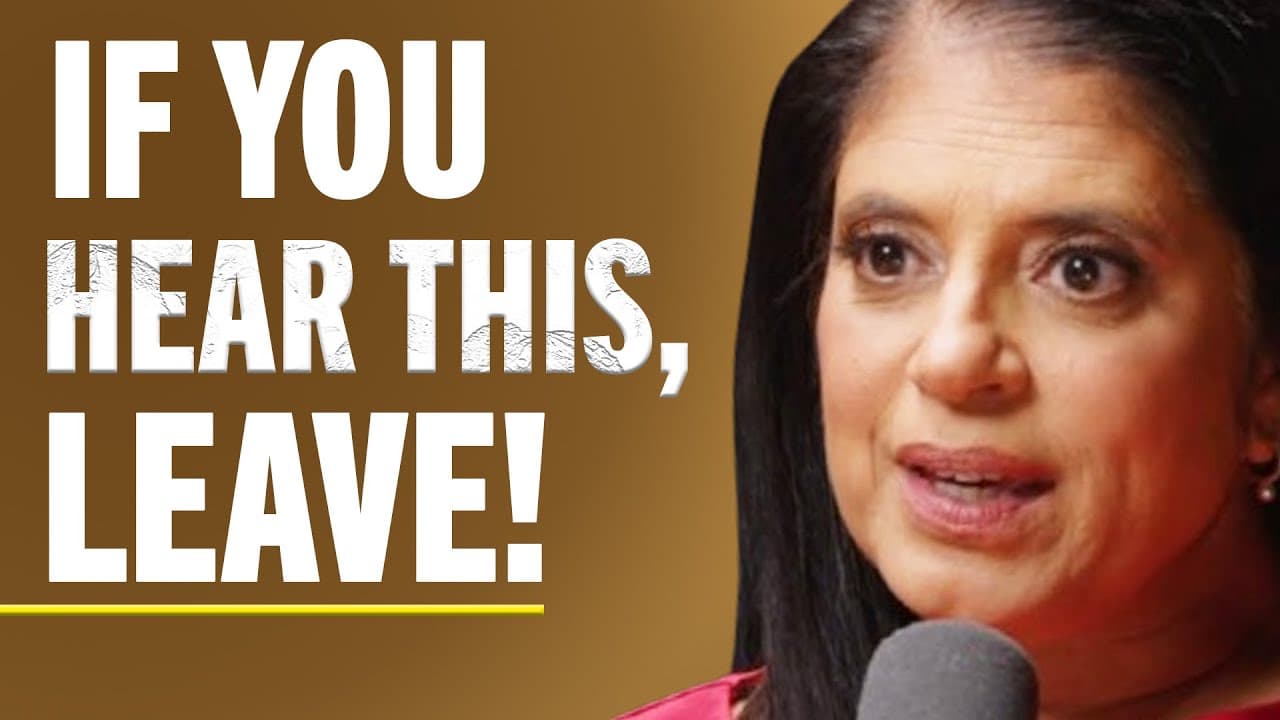
Persistent gaslighting can make people in narcissistic relationships blame themselves and question their perceptions. Recognizing the behavior as a repeated, rigid pattern can provide validation, support radical acceptance, and help someone decide when to disengage, even if leaving the relationship is not currently possible. A single hurtful act is not enough to identify narcissism, so the broader pattern matters.
Transcript
I think for the longest time because of the way narcissism shows up in relationships people in a relatively short period of time blame themselves this is my fault maybe I could be better maybe I could try harder what's wrong with me because the narcissistic person through all the gaslighting has convinced the other person there's something wrong wi... Read More
Key Insights
- Gaslighting is a pattern that can persuade people in narcissistic relationships that something is wrong with them, causing repeated self-blame and attempts to communicate perfectly. Giving the experience a name can reassure them that their discomfort reflects a recognizable pattern rather than proof that they are losing their mind.
- Radical acceptance is the recognition that entrenched, rigid behavioral patterns are unlikely to change when the person displaying them has no insight. This acceptance is not approval of the conduct, but a basis for making realistic decisions without depending on the other person to become different.
- Validation is important because people affected by narcissistic behavior may already doubt their memories, judgments, and emotional responses. Being told that certain conduct is unacceptable gives them permission to trust that feeling distressed around it is understandable and to make choices based on that recognition.
- Disengagement can be safer and more productive than confronting a narcissistic person about unacceptable behavior. The affected person may have every right to object, but the discussion can lead nowhere and provoke rage, so declining to participate may better protect their well-being.
- Narcissism cannot be established from one harmful act, such as cheating on a partner or yelling at a flight attendant. Those behaviors may be unacceptable, but identifying narcissism requires more information about the person and the broader group of qualities and behaviors that repeatedly appear together.
- Narcissistic qualities can be socially rewarded even though the label itself carries strong negative connotations. Egocentricity, attention-seeking, bluntness, entitlement, and unempathic behavior may be presented as signs of power or success, creating a contradiction between public rewards and private disapproval.
- Misusing the term narcissist can harm people who have genuinely experienced narcissistic relationships. When the word loses precision, others may dismiss severe patterns as merely a difficult relationship, recreating the chronic doubt that survivors already receive from other people and from themselves.
- Mental health education about narcissism is described as insufficient, including within graduate training for clinicians. Better education can give professionals a stronger working model, allowing them to recognize patterns, validate affected clients, and provide more informed support when people seek help.
Install to Summarize YouTube Videos and Get Transcripts
Explore YouTube Video Summarizer or Get YouTube Transcript Extractor
Questions & Answers
Q: How can you recognize a narcissistic relationship pattern?
A narcissistic relationship pattern may involve persistent gaslighting, lack of empathy, entitlement, bullying, self-serving conduct, and rigid behavior without insight. The broader pattern matters more than one upsetting incident. A person affected by it may repeatedly blame themselves, question whether they communicated incorrectly, and keep trying harder because the other person has convinced them that they are the problem.
Q: Why do people in narcissistic relationships blame themselves?
People may blame themselves because repeated gaslighting teaches them to question their perceptions and assume that something is wrong with them. They may think they said something incorrectly, should have explained themselves better, or need to try harder. Over time, this creates chronic self-doubt and obscures the possibility that the other person is displaying an entrenched pattern of unacceptable behavior.
Q: What does radical acceptance mean in a narcissistic relationship?
Radical acceptance means acknowledging that entrenched and rigid behavioral patterns are unlikely to change when the other person lacks insight into them. It does not mean approving of the behavior or pretending that it causes no harm. It allows the affected person to stop basing decisions on hoped-for change and instead choose responses according to the pattern that repeatedly occurs.
Q: Should you confront someone about narcissistic behavior?
Confrontation may not be productive even when a person has every right to identify and object to unacceptable conduct. According to the discussion, challenging the behavior can lead nowhere and may trigger rage from the narcissistic person. Disengaging can therefore be a reasonable response. It recognizes the behavior as unacceptable without relying on an argument to produce insight or lasting change.
Q: Does one harmful action prove that someone is a narcissist?
One harmful action does not establish that someone is a narcissist. Cheating on a partner or yelling at a flight attendant may be wrong, but each example requires more information before applying the label. Narcissism is useful because it describes multiple qualities and behaviors that occur together. Identifying it responsibly requires attention to a recurring pattern rather than one painful event.
Q: Why is the word narcissist often misused?
The word has become more common in public and online conversations, where it may be applied to anyone who behaves badly or causes emotional pain. Its strong negative connotations make it an appealing label after a hurtful experience, but casual use reduces its precision. Continued education and careful examination of broader behavioral patterns are presented as the main ways to correct that misuse.
Q: How can misuse of narcissism harm genuine survivors?
Misuse can weaken the meaning of narcissism and encourage other people to dismiss genuine survivors as having experienced only a difficult relationship. That response repeats a central harm of narcissistic relationships, chronic doubt. Survivors may already question themselves because of gaslighting, so skepticism from friends, professionals, or the public can invalidate them again and interfere with appropriate support.
Q: Why is professional education about narcissism important?
Professional education matters because affected people may enter therapy already wondering whether they are responsible for the relationship problems. A clinician who refuses to recognize reported patterns can leave the client feeling more confused and unsupported. Better training can help mental health professionals understand what narcissistic behavior does, provide appropriate validation, and offer a stronger working model for supporting people experiencing it.
Summary & Key Takeaways
-
Narcissistic relationship patterns can lead people to assume they are responsible for every conflict and must communicate more carefully or try harder. Naming the pattern can counter that self-blame by confirming that something genuinely feels wrong. This validation does not automatically mean that a person must or can leave the relationship.
-
Radical acceptance means recognizing that entrenched, rigid behavior is unlikely to change when the other person lacks insight. A person can then make decisions based on the pattern instead of repeatedly trying to create a connection that may not be possible. Disengagement may be more useful than confrontation that produces rage without progress.
-
The term narcissist should describe a meaningful combination of qualities and recurring behaviors, not serve as a label for every person who cheats, yells, or causes harm. Casual misuse weakens the term and can cause genuine survivors to be doubted again. Better public and professional education can preserve its usefulness and improve support.
Read in Other Languages (beta)
Share This Summary 📚
Summarize YouTube Videos and Get Video Transcripts with 1-Click
Try YouTube Summary with ChatGPT & Claude or YouTube Transcript Generator
Explore More Summaries from Dr Rangan Chatterjee 📚




Summarize YouTube Videos and Get Video Transcripts with 1-Click
Try YouTube Summary with ChatGPT & Claude or YouTube Transcript Generator