What Eye Movement Technique Can Help Heal Trauma?
TL;DR
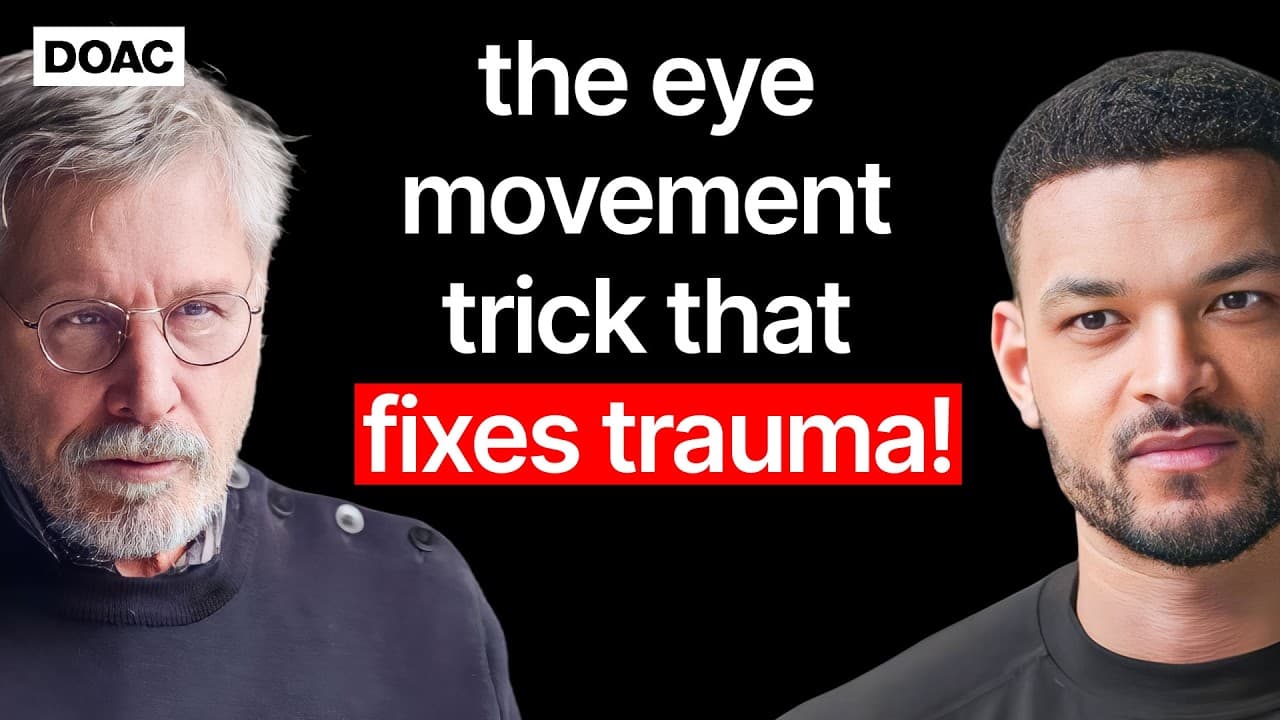
The eye movement technique, effective for trauma healing, has shown a 78% cure rate for individuals with adult trauma. It leverages the brain's ability to process traumatic memories as past experiences through bilateral stimulation. Coupled with community support and other therapies, this method aids in reconnecting individuals with their emotions and fostering resilience.
Transcript
I've proven how helpful EMDR can be for pgsc and depression why and how well trauma is a be living and whatever you're feeling is real as opposed to feeling like a memory but in our research you discovered that if you move your eyes back and forth as you recall a traumatic experience your brain is able to say this is what happened to me in the past... Read More
Key Insights
- 🥺 Trauma significantly alters brain functioning, often leading to persistent emotional and cognitive disruptions that manifest in adulthood.
- 🤳 Effective trauma treatments include both established therapies like EMDR and newer approaches, including psychedelics, which promote emotional healing and self-awareness.
- 💁 Early childhood experiences profoundly impact identity formation, and healing from those experiences often requires targeted therapeutic intervention.
- ❓ Somatic therapies, focusing on bodily sensations and movement, are crucial for reconnecting trauma survivors with their emotions and fostering resilience.
- ❓ Community and social connections are essential in counteracting trauma's isolating effects, promoting healing through shared experiences and collective support.
- 🥺 The cultural understanding of trauma has evolved, with increased acknowledgment of its prevalence and implications for mental health, leading to a broader acceptance of various healing approaches.
- 😃 The distinction between small t and Big T trauma highlights the nuanced understanding of how everyday experiences can be traumatic and impact mental health.
Install to Summarize YouTube Videos and Get Transcripts
Explore YouTube Video Summarizer or Get YouTube Transcript Extractor
Questions & Answers
Q: What is EMDR, and how does it work in treating trauma?
EMDR, or Eye Movement Desensitization and Reprocessing, is a therapeutic approach that involves guiding individuals to recall traumatic experiences while moving their eyes back and forth. This process helps rewire the brain's response, allowing individuals to distinguish past trauma from present experiences. Research shows that 78% of participants experience significant improvements, demonstrating its effectiveness for various trauma-related conditions.
Q: Why is early childhood trauma particularly impactful?
Early childhood trauma shapes an individual's identity and perception of the world. These formative experiences create deep emotional imprints that influence adult behavior and mental health. When children experience neglect or abuse, it disrupts their sense of safety, potentially leading to ongoing issues like anxiety, depression, or relationship difficulties.
Q: How do community connections aid in trauma recovery?
Community connections provide vital emotional support and a sense of belonging, which are crucial in trauma recovery. Engaging in group activities like sports or theater allows individuals to bond with others, share experiences, and foster resilience. Such connections can counteract feelings of isolation often experienced by trauma survivors.
Q: What's the significance of somatic therapies in trauma recovery?
Somatic therapies, which involve bodily awareness and movement, play a crucial role in trauma recovery by helping individuals reconnect with their physical sensations. These therapies can alleviate feelings of numbness and help process emotions trapped in the body, ultimately leading to a more integrated sense of self and improved emotional health.
Q: What role do psychedelics play in understanding trauma?
Psychedelics, such as MDMA and psilocybin, have emerged as transformative tools in trauma therapy. They facilitate profound insights and emotional breakthroughs, allowing individuals to confront and process painful experiences. Research shows significant improvement in PTSD symptoms when combined with therapeutic guidance, highlighting their potential as viable treatment options.
Q: How does the concept of "small t trauma" differ from "Big T trauma"?
"Small T trauma" refers to everyday experiences that may not be classified as severe trauma but still lead to lasting emotional effects. In contrast, "Big T trauma" encompasses more overtly distressing events like abuse or violence. Both can significantly impact mental health, but small t trauma often relates to relational neglect or emotional invalidation.
Q: Why is there a growing interest in trauma as a subject of discussion?
The rising awareness and discourse around trauma stem from a social evolution recognizing its widespread effects on mental health. As more individuals advocate for mental well-being and healing approaches, the discussion about trauma has become more prominent, paving the way for improved understanding and treatment.
Q: How can parents ensure they raise children with less trauma?
To reduce the likelihood of raising traumatized children, parents should create nurturing environments emphasizing security, open communication, and emotional validation. It's important to model healthy relationships and ensure children have access to supportive community connections, helping them feel valued and understood.
Summary & Key Takeaways
-
The discussion emphasizes the multifaceted nature of trauma, revealing how early childhood experiences significantly shape adult behavior and mental health, often leading to long-lasting effects that require intervention.
-
EMDR is presented as a groundbreaking therapy, demonstrating remarkable efficacy in helping individuals with traumatic experiences, with studies indicating a 78% cure rate for adult trauma cases.
-
The conversation highlights the crucial role of community and connection in healing, suggesting that establishing supportive relationships and engaging in shared activities can foster resilience and recovery from trauma.
Read in Other Languages (beta)
Share This Summary 📚
Summarize YouTube Videos and Get Video Transcripts with 1-Click
Try YouTube Summary with ChatGPT & Claude or YouTube Transcript Generator
Explore More Summaries from The Diary Of A CEO 📚






Summarize YouTube Videos and Get Video Transcripts with 1-Click
Try YouTube Summary with ChatGPT & Claude or YouTube Transcript Generator