How Remote Work is Changing Office Spaces
TL;DR
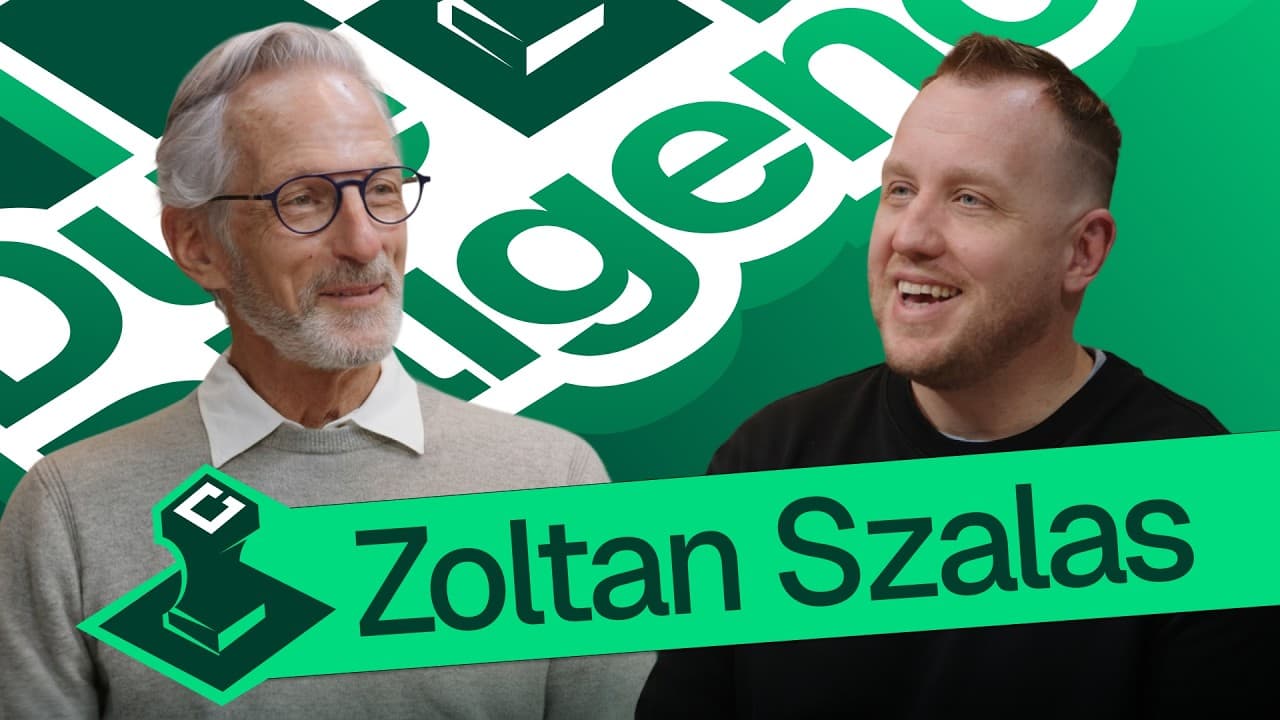
The traditional office model is becoming obsolete as companies seek more flexible, usage-based workspace solutions. Croissant, co-founded by Zoltan Szalas, offers a platform that allows businesses to manage their workspace spend efficiently, catering to the variable nature of modern workforces. AI and remote work trends are accelerating this shift, making long-term leases less viable.
Transcript
You know, I'm very happy to be meeting you. And let me just say first that my name is Henrik Johansson. And I am pleased to have in our studio Zultan Salas. >> Salace. >> Salace for what? I am not unhappy. >> Zultan Salace. >> I am I am Say my name back. It's Henrik. Can you say >> Henrik Johansson? >> Henrik. Pardon me. >> Johansson. Johansson. >>... Read More
Key Insights
- The traditional office lease model is becoming obsolete due to the rise of remote work and flexible workspaces.
- Croissant offers a platform that allows companies to manage workspace spend based on actual usage rather than fixed leases.
- AI is creating uncertainty in workforce planning, influencing how companies approach hiring and office strategies.
- Remote workers often experience feelings of isolation, highlighting the need for thoughtful workspace policies.
- HR and finance teams can use Croissant to set policies and control budgets for remote and hybrid workspaces.
- The pandemic significantly impacted Croissant's revenue, but it also accelerated the shift towards a variable workforce.
- The future of workspaces is expected to be flexible, distributed, and consumption-based, similar to cloud services.
- Growth and compliance can be at odds in startups, requiring careful navigation to balance innovation and risk management.
Install to Summarize YouTube Videos and Get Transcripts
Explore YouTube Video Summarizer or Get YouTube Transcript Extractor
Questions & Answers
Q: How is remote work changing office spaces?
Remote work is shifting the demand from traditional office leases to more flexible, usage-based workspace solutions. Companies are moving away from long-term leases, seeking adaptable office strategies that cater to the variable nature of modern workforces. Platforms like Croissant offer solutions that allow businesses to manage their workspace spend efficiently, accommodating remote and hybrid work models.
Q: What is Croissant's approach to workspace management?
Croissant provides a platform that allows companies to manage workspace spend based on actual usage rather than fixed leases. This approach caters to the variable workforce, offering flexibility and control over workspace access and budgets. It helps businesses adapt to the changing landscape of remote and hybrid work by providing a more efficient and flexible solution for workspace management.
Q: Why are traditional office leases becoming less viable?
Traditional office leases are becoming less viable due to the rise of remote and hybrid work models, which demand more flexible and adaptable office solutions. Long-term leases do not accommodate the variable nature of modern workforces, leading companies to seek usage-based workspace solutions that offer greater flexibility and control over costs and resources.
Q: How did the pandemic affect Croissant's business?
The pandemic significantly impacted Croissant's revenue, causing a substantial drop as companies reevaluated their workspace needs. However, it also accelerated the shift towards a variable workforce, as businesses began to seek more flexible and adaptable office solutions to accommodate remote and hybrid work models. This shift has driven renewed interest in Croissant's platform as companies adapt to the changing landscape.
Q: What role does AI play in workforce planning?
AI is creating uncertainty in workforce planning by influencing how companies approach hiring and office strategies. It accelerates the shift towards a variable workforce, as businesses must adapt to changing demands and technological advancements. AI-driven insights can help companies optimize their workspace strategies, making them more flexible and responsive to evolving needs.
Q: How does Croissant help HR and finance teams?
Croissant's platform allows HR and finance teams to set policies and control budgets for remote and hybrid workspaces. It provides tools to manage workspace access efficiently, ensuring compliance with internal policies while offering flexibility to accommodate the needs of distributed teams. This helps organizations maintain control over their workspace strategies and spending.
Q: What is the future of workspaces according to Croissant?
The future of workspaces, as envisioned by Croissant, is flexible, distributed, and usage-based. Companies will move away from traditional long-term leases, opting for solutions that allow them to manage workspace spend based on actual usage. This model provides greater adaptability and efficiency, catering to the evolving needs of modern workforces driven by remote work and technological advancements.
Q: How does Croissant address the challenges of remote worker isolation?
Croissant addresses remote worker isolation by offering flexible workspace solutions that provide remote and hybrid teams with access to physical spaces when needed. This helps mitigate feelings of isolation by allowing employees to work in environments that suit their needs, while also enabling companies to manage workspace spend efficiently and maintain control over their office strategies.
Summary & Key Takeaways
-
Croissant, co-founded by Zoltan Szalas, provides a platform that replaces traditional office leases with flexible, usage-based workspace solutions. This model caters to the variable nature of modern workforces, driven by remote work and AI advancements. As companies move away from long-term leases, Croissant helps manage workspace spend efficiently.
-
The shift towards remote and hybrid work has made traditional office models less viable. Croissant's platform allows HR and finance teams to control workspace access and budgets, providing a flexible solution for distributed teams. The pandemic accelerated this trend, emphasizing the need for adaptable workspace strategies.
-
AI and remote work trends are reshaping workforce planning, creating a demand for more flexible and distributed office solutions. Croissant addresses this need by offering a platform that manages workspace spend based on actual usage, helping companies navigate the evolving landscape of workspaces and compliance challenges.
Read in Other Languages (beta)
Share This Summary 📚
Summarize YouTube Videos and Get Video Transcripts with 1-Click
Try YouTube Summary with ChatGPT & Claude or YouTube Transcript Generator