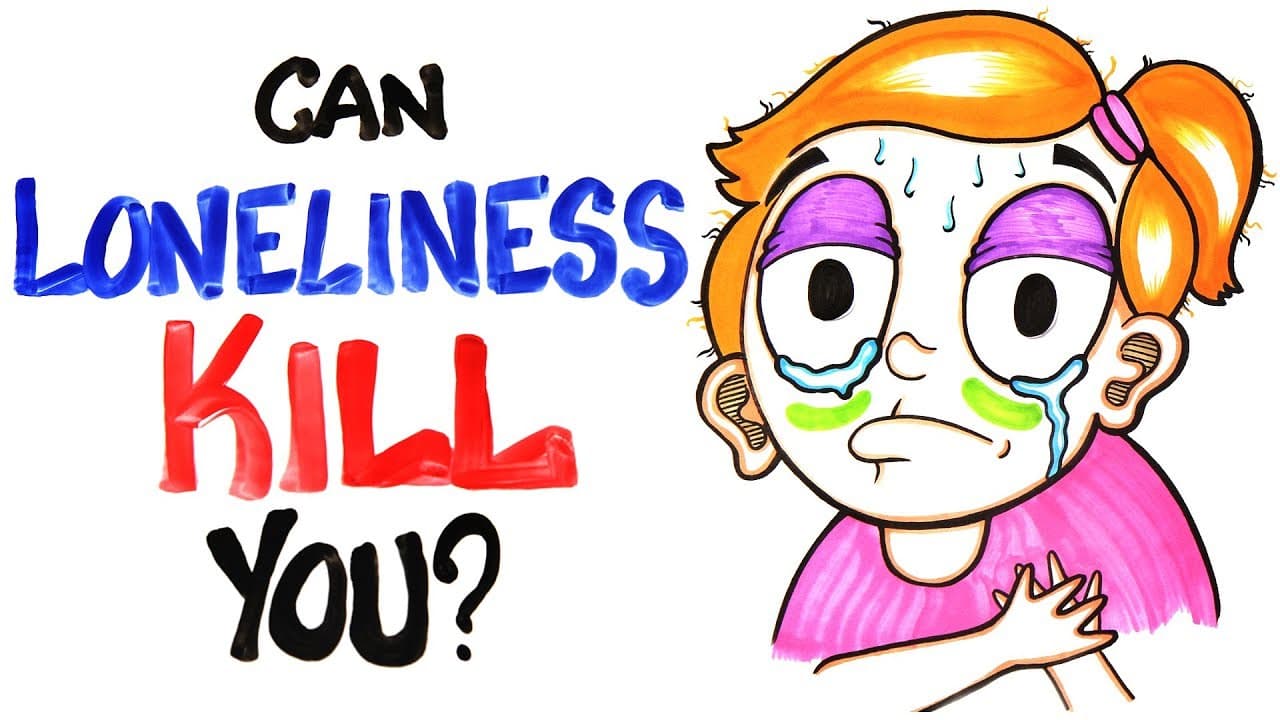
Can Loneliness Kill You?
TL;DR
Yes, loneliness can increase the chance of death by contributing to chronic inflammation and greater risks of coronary heart disease and stroke. The transcript reports that people with strong social relationships have a 50% increased likelihood of survival, while poor social relationships are associated with a 29% increase in coronary heart disease. Read on to understand how loneliness affects the body, who experiences it, and one small step toward feeling more connected.
Transcript
Our planet may be more connected than ever, but loneliness has doubled in America since the 80’s with more than 40% of adults saying they are lonely. So should you be worried if you feel the same? Can loneliness...kill you? Loneliness is a psychological mechanism designed to motivate you to seek out social interactions, but it’s highly subjective. ... Read More
Key Insights
- 🧑 Loneliness has doubled in America, with 40% of adults reporting feelings of loneliness.
- ⚡ Young people aged 16-24 experience higher levels of loneliness compared to other groups.
- 🥶 Loneliness can worsen cold symptoms and lead to changes on a cellular level, increasing the risk of chronic inflammation and related health issues.
- 💪 Strong social relationships have a 50% increased likelihood of overall survival, emphasizing the importance of social connection.
- 🥳 Loneliness can be as deadly as smoking 15 cigarettes a day, lack of exercise, or obesity.
- 🧑🏭 Loneliness is not solely a reflection of personal likability, but may be influenced by cultural and societal factors.
- 😃 Making intentional eye contact can help individuals feel more connected and in touch with humankind.
Install to Summarize YouTube Videos and Get Transcripts
Explore YouTube Video Summarizer or Get YouTube Transcript Extractor
Questions & Answers
Q: Can loneliness kill you?
Yes, loneliness can increase your chance of death. The transcript describes it as a risk factor as deadly as smoking 15 cigarettes a day, lack of exercise, or obesity.
Q: What does it mean to be lonely?
Loneliness is a subjective psychological mechanism that motivates people to seek social interaction. It does not necessarily mean someone has no friends; it means their needed level of social interaction is not being met.
Q: Does loneliness mainly affect elderly people?
No. A cited study found that people aged 16–24 felt lonely more than any other group of adults.
Q: Can loneliness make physical illness feel worse?
Yes. In a study where healthy participants received nasal drops containing the common cold virus and stayed quarantined in hotel rooms for 5 days, those who had reported greater loneliness also reported more significant cold symptoms.
Q: How does loneliness affect the brain?
People who scored higher on the UCLA Loneliness Scale showed a bigger response in the brain’s reward system when viewing a loved one than when viewing a stranger. People who were not very lonely showed a similar response to both images.
Q: How can chronic loneliness affect the body at a cellular level?
Research described in the transcript found 209 different gene expressions in some white blood cells of lonely people. These included increased activity of a pro-inflammatory transcription factor, which may contribute to chronic inflammation.
Q: How is loneliness associated with heart disease and stroke?
Poor social relationships are associated with a 29% increase in coronary heart disease and a 32% increase in stroke. The transcript connects these risks with the harmful effects of chronic inflammation.
Q: What small step may help someone feel more connected?
Try making more intentional eye contact with people you know or even a passerby. The transcript says studies have found that eye contact can make both people feel more in touch with humankind.
Summary & Key Takeaways
-
Loneliness is a subjective experience where individuals feel a lack of the social interactions they need, irrespective of the presence of friends.
-
Young people aged 16-24 experience loneliness more than any other group of adults.
-
Loneliness can worsen cold symptoms, and lonely individuals show a heightened response in the brain's reward system when shown images of loved ones.
-
Chronic loneliness can lead to changes on a cellular level, increasing the risk of coronary heart disease and stroke.
-
People with strong social relationships have a 50% increased likelihood of survival overall.
Read in Other Languages (beta)
Share This Summary 📚
Summarize YouTube Videos and Get Video Transcripts with 1-Click
Try YouTube Summary with ChatGPT & Claude or YouTube Transcript Generator
Explore More Summaries from AsapSCIENCE 📚




Summarize YouTube Videos and Get Video Transcripts with 1-Click
Try YouTube Summary with ChatGPT & Claude or YouTube Transcript Generator