Is Franz Kafka’s In the Penal Colony Worth Reading? Book Review

TL;DR
Franz Kafka’s In the Penal Colony is a compelling, quick introduction to his nightmarish blend of arbitrary judgment, punishment, horror, and brilliant humor. Written in 1914 and published in 1919, the story follows a traveler observing an execution machine that inscribes a sentence onto a condemned person for 12 hours until death. Read on for the plot, apparatus, themes, and the reviewer’s assessment.
Transcript
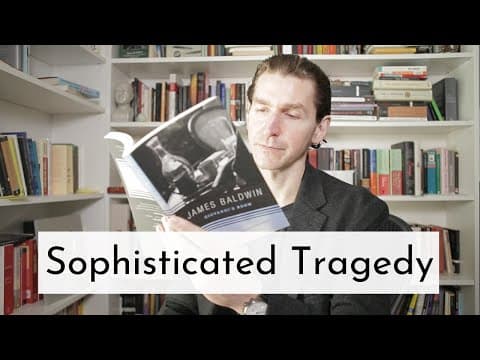
it's one of the most pleasantly demented things I've ever read good morning everyone welcome the better than food global views I'm your host Clifford Lee Sargent good to see you hope you're all doing very well excuse the draft background still unpacking all this stuff got to get some bookshelves going on here anybody has any good ideas for like DIY... Read More
Key Insights
- 🫠 Kafka's dark humor and exploration of harrowing themes make "In the Penal Colony" a compelling read.
- 💦 The influence of Kafka's father issues on his writing is pervasive and shapes his work's themes.
- 🙈 Themes of judgment, guilt, and authority are central to Kafka's writing and can be seen in "In the Penal Colony."
- 👮 The officer symbolizes a sociopathic character in Kafka's story, emphasizing the importance of a fair judicial system.
- ❓ Kafka's utilization of humor provides a counterpoint to the bleakness of his narratives, creating a unique reading experience.
- 💔 The broken machine in the story adds a layer of unpredictability and kinetic absurdity to Kafka's narrative.
- 😱 "In the Penal Colony" showcases Kafka's talent for blending horror and dark humor in a short story format.
Install to Summarize YouTube Videos and Get Transcripts
Explore YouTube Video Summarizer or Get YouTube Transcript Extractor
Questions & Answers
Q: Is Franz Kafka’s In the Penal Colony worth reading?
The reviewer considers it one of the most “pleasantly demented” works he has read and says it is just as good an introduction to Kafka as his better-known stories. It is a quick read and a strong example of the Kafkaesque nightmare.
Q: What is In the Penal Colony about?
A traveler visits a desert-like island to witness the execution of a condemned man held in chains by a soldier. A demented officer oversees the ceremony and explains the enormous execution apparatus to the traveler.
Q: How does the execution machine work in In the Penal Colony?
The condemned person is stripped, strapped to the machine’s lower platform, and positioned beneath hanging needles and knives. The apparatus inscribes a script of judgment onto the person’s body for 12 hours, continuing until he dies.
Q: What are the main themes of In the Penal Colony?
The review identifies authority, crippling guilt, punishment, persecution, judgment, violence, and condemnation as central themes. It emphasizes Kafka’s recurring interest in horrific, arbitrary judgments imposed on people who may not even understand their supposed crimes.
Q: Why does the condemned man not understand his judgment?
The condemned man does not speak the same language as the officer conducting the execution. As a result, he is left trying to understand what the officer is saying while facing punishment.
Q: How does Kafka use humor in In the Penal Colony?
Although the story is described as extremely dark, it contains moments of brilliant humor. The review presents that humor as part of Kafka’s ability to combine bleak, horrific material with a strangely comic tone.
Q: How did Kafka’s relationship with his father influence his writing?
The reviewer describes Kafka as having a lifelong terror of his father, rooted in inadequacy, living in his shadow, and never receiving approval. Themes such as authority, guilt, and punishment are presented as pervasive in Kafka’s stories, though the reviewer cautions against reducing the author entirely to his father issues.
Q: When was In the Penal Colony written and published?
Kafka wrote In the Penal Colony in 1914, and it was published in 1919. The review notes that this period coincided with World War I and its increased use of machinery designed to tear apart human flesh, paralleling the purpose of the story’s central apparatus.
Summary & Key Takeaways
-
Review of Kafka's lesser-known story, "In the Penal Colony."
-
Discussion on Kafka's father issues and influence on his writing.
-
Analysis of themes of judgment, guilt, and authority in Kafka's work.
Read in Other Languages (beta)
Share This Summary 📚
Summarize YouTube Videos and Get Video Transcripts with 1-Click
Try YouTube Summary with ChatGPT & Claude or YouTube Transcript Generator
Explore More Summaries from Better Than Food 📚





Summarize YouTube Videos and Get Video Transcripts with 1-Click
Try YouTube Summary with ChatGPT & Claude or YouTube Transcript Generator