Why Did Trump Pick Kevin Warsh for Fed Chair? Chris Cuomo’s Show Discusses Power-Grab Fears
TL;DR
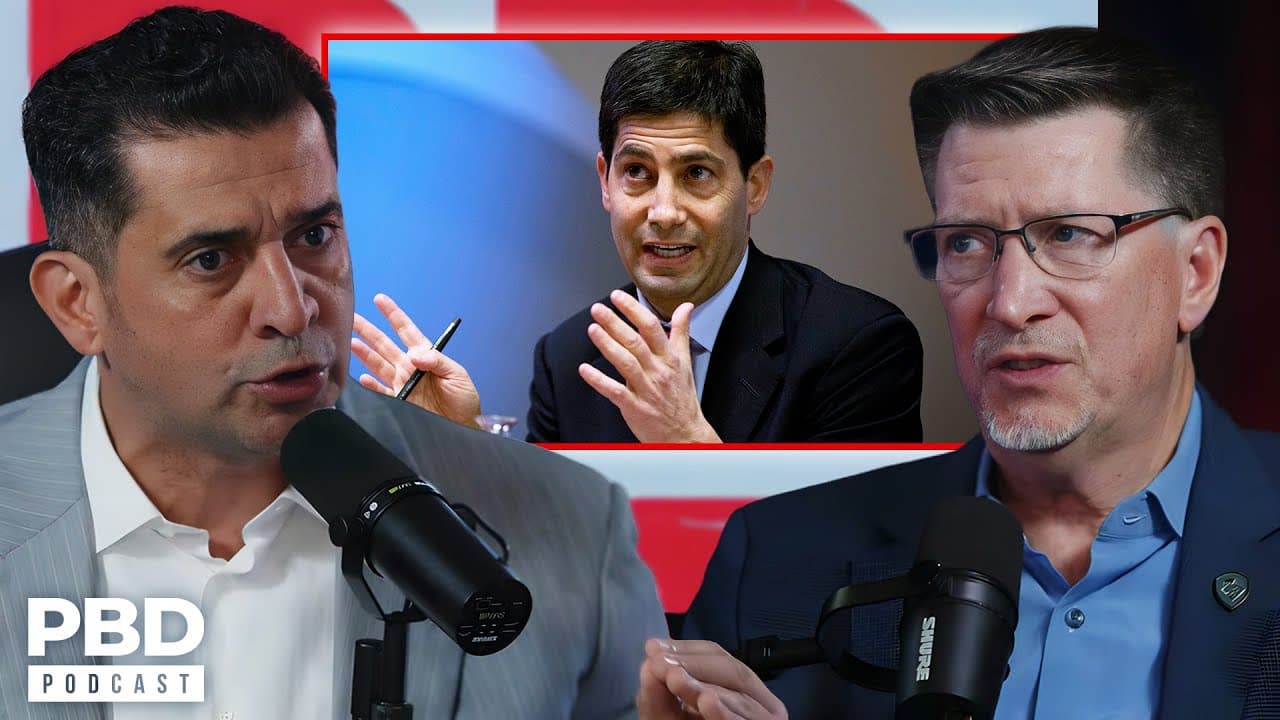
Trump picked Kevin Warsh for Fed chair because the speakers believe Warsh aligned more closely with Trump and Scott Bessent on interest rates and the administration’s economic agenda. They predict a half-point reduction before June, potentially through quarter-point cuts at two of the next four Fed meetings, while warning that political alignment could threaten the Fed’s traditionally balanced role. Read on for the selection timeline, competing candidates, and reasons the choice surprised observers.
Transcript
the Jerome Powell story, the federal uh you know, uh the name that was announced this morning at 6:00 amish give or take. Uh President Trump uh Khi, $96 million of wagers were made on Cali on who's going to be the next Fed share. Look at the volume on the bottom left. $97 million. Rob, how far back can you go on this? Is this all? So, if you go to ... Read More
Key Insights
- Kevin Warsh is chosen by Trump as the new Fed Chair, succeeding Jerome Powell.
- Trump seeks alignment with Warsh on economic policies, particularly interest rates.
- Warsh's appointment raises concerns about the potential loss of Fed independence.
- Historically, Fed Chairs have been expected to maintain a balanced and independent stance.
- Trump's decision signals a desire for a Fed Chair who aligns closely with his administration's goals.
- Warsh's past stance on interest rates has been more conservative, focusing on stability.
- The decision reflects Trump's approach of appointing individuals who support his policy direction.
- Warsh is expected to implement interest rate cuts in the coming months, aligning with Trump's preferences.
Install to Summarize YouTube Videos and Get Transcripts
Explore YouTube Video Summarizer or Get YouTube Transcript Extractor
Questions & Answers
Q: Why did Trump pick Kevin Warsh for Fed chair?
The speakers believe Trump chose Kevin Warsh because Warsh was more aligned with Trump and Scott Bessent on interest-rate policy. They speculate that Trump wanted assurance that the next Fed chair would support his broader economic agenda.
Q: Which other candidates were considered for Fed chair?
Kevin Hassett, Rick Rieder, and Judy Shelton were discussed alongside Kevin Warsh. Hassett initially appeared likely to get the job, while Rieder emerged as a serious rival after Trump spoke positively about him and administration leaks described an encouraging interview.
Q: Why did Kevin Hassett appear to fall out of contention?
One speaker suggests Hassett may have sounded too measured in public for a president seeking close policy alignment. Trump then said Hassett was doing a fine job in the White House and should remain there, which the panel interpreted as removing him from consideration.
Q: Why did Kevin Warsh’s selection surprise some people?
Warsh was described as historically favoring higher or steadier interest rates rather than reductions. The speakers therefore found it notable that he was selected by a president who had repeatedly pushed Jerome Powell for lower rates.
Q: What interest-rate cuts did the speakers predict under Kevin Warsh?
One speaker predicted that Warsh would be more likely to deliver a half-point reduction before June. He suggested this could occur through quarter-point cuts at two of the next four Fed meetings through June.
Q: What concerns did the discussion raise about Federal Reserve independence?
The panel said Fed leaders have historically been expected to remain balanced, even under highly partisan presidents. They worried that choosing someone for close alignment with Trump could make the central bank more responsive to the president’s agenda.
Q: What role did Scott Bessent reportedly play in Kevin Warsh’s selection?
The speakers believed Scott Bessent was involved in evaluating whether Warsh aligned with the administration on interest rates. One panelist imagined Bessent and Trump directly confirming that policy alignment before offering Warsh the nomination, but presented this as inference rather than verified fact.
Q: How much money was wagered on the next Fed chair?
The discussion cited roughly $96 million to $97 million in wagers on who would become the next Fed chair. It also said Warsh had been the leading candidate for quite a while, although expectations shifted as other names gained attention.
Summary & Key Takeaways
-
Kevin Warsh is appointed as the new Fed Chair by Trump, succeeding Jerome Powell. Warsh's alignment with Trump's economic policies, especially regarding interest rates, is a key factor in his selection. This decision raises concerns about the future independence of the Federal Reserve, as historically, Fed Chairs have been expected to maintain a balanced and independent stance.
-
Trump's decision to appoint Warsh reflects his desire for a Fed Chair who aligns closely with his administration's goals. Warsh's past conservative stance on interest rates, focusing on stability, contrasts with the expected cuts he may implement in the coming months. This move signals a shift in the Fed's approach under Warsh's leadership.
-
The appointment of Kevin Warsh as Fed Chair by Trump highlights a strategic move to ensure the Federal Reserve supports the administration's economic agenda. This decision, while aligning with Trump's preferences, has sparked discussions about the potential implications for the Fed's independence and its traditional role as a stabilizing force in the economy.
Read in Other Languages (beta)
Share This Summary 📚
Summarize YouTube Videos and Get Video Transcripts with 1-Click
Try YouTube Summary with ChatGPT & Claude or YouTube Transcript Generator
Explore More Summaries from Valuetainment 📚

Summarize YouTube Videos and Get Video Transcripts with 1-Click
Try YouTube Summary with ChatGPT & Claude or YouTube Transcript Generator