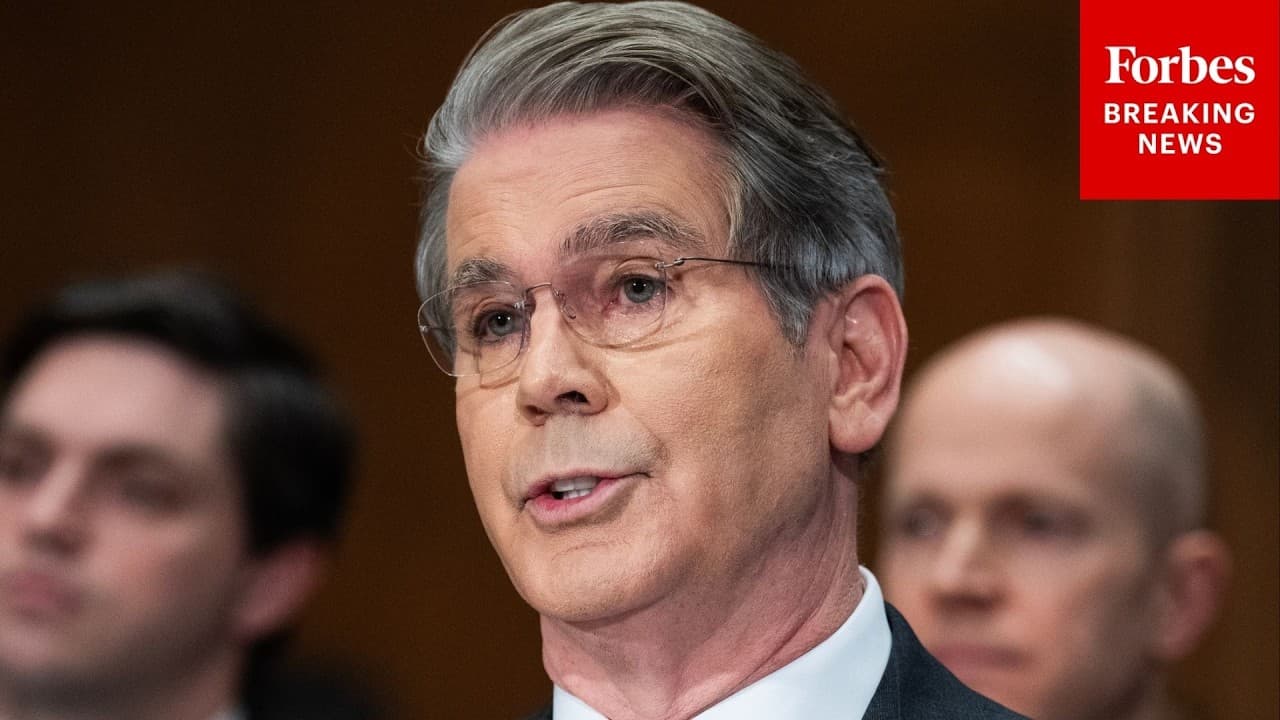
How did Treasury Secretary Bessent handle the hearing?
TL;DR
Bessent defended U.S. leadership in the international financial system and outlined steps to reduce poverty and promote growth through institutions like the World Bank. He highlighted energy priorities, including nuclear energy, and pressed for accountability on China and sanctions enforcement while stressing transparency and practical pro growth reforms.
Transcript
incredibly important mission. Fortunately, under the Trump administration, we've seen a renewed emphasis on delivering measurable results through accountability and discipline at both the IMF and the bank. The World Bank must remain committed to reducing poverty and promoting economic growth by directing resources towards countries that genuinely n... Read More
Key Insights
- Bessent emphasizes US leadership in international financial institutions as a core objective of the hearing.
- The World Bank is moving to phase out lending to China by 2031 and engage more with nuclear energy through cooperation with IAEA.
- Nuclear energy funding is highlighted as a pathway to reliable and affordable electricity for developing economies.
- The discussion flags a need for rigorous economic oversight and transparency in IMF activities, especially regarding China.
- There is bipartisan support for energy reforms and pro growth financing through international institutions.
- The committee notes positive progress at the World Bank but also ongoing concerns about policy toward China and external dependencies.
- Bessent cites recent policy actions, like HR1474, as enabling a more proactive nuclear energy stance.
- The hearing covers sanctions enforcement and the use of Treasury authorities to confront illicit finance networks.
Install to Summarize YouTube Videos and Get Transcripts
Explore YouTube Video Summarizer or Get YouTube Transcript Extractor
Questions & Answers
Q: What did Bessent say about the World Bank phasing out lending to China by 2031?
Bessent described the World Bank's decision as an important step in the right direction, noting that phasing out lending to China by 2031 aligns with reducing dependency on Beijing and supporting development priorities elsewhere. He framed it as a practical measure to redirect resources toward genuine development needs while maintaining development goals.
Q: How is nuclear energy financing portrayed in the hearing?
The hearing frames nuclear energy financing as a key growth and energy reliability strategy. It cites HR1474 and the International Nuclear Energy Financing Act as bipartisan drivers enabling the World Bank to re engage with nuclear energy, collaborate with the IAEA, support existing reactors, and explore small modular reactors to expand electricity access.
Q: What concerns are raised about China in relation to IMF and World Bank activities?
The concerns center on China as a major global creditor and strategic competitor, with the IMF and World Bank needing rigorous oversight and accountability. The discussion highlights external imbalances and spillovers from China, urging prudent financing, transparency, and a balanced approach to avoid unintended dependencies.
Q: What progress does the transcript mention regarding energy and development?
The transcript notes progress through the World Bank’s engagement with nuclear energy, including a new nuclear energy assistance fund and collaboration with the IAEA. It emphasizes providing reliable, affordable electricity to developing economies as a practical, pro growth policy direction supported by bipartisan efforts.
Q: What criticisms does the ranking member raise during the hearing?
The ranking member contends that Treasury policies have caused higher costs for Americans, questions cooperation with trading partners, and accuses the administration of mismanagement. The remarks argue that costs of living and energy have risen, and criticize perceived selective support for certain sectors while neglecting worker concerns.
Q: What examples of Treasury actions are highlighted as successful in the hearing?
The hearing highlights Treasury actions such as sanctions enforcement against evaders, hostile regimes, and illicit financial networks, plus the identification of billions in suspect healthcare fraud. It also notes the management of privacy protections and changes to beneficial ownership reporting as part of corporate transparency reforms.
Q: What role does transparency play according to Secretary Bessent?
Transparency is presented as essential for maintaining trust and stability in the international financial system. The discussion calls for rigorous oversight of IMF policies, clear reporting of international engagements, and openness about sanctions and financial flows to ensure accountability to the American people and global partners.
Q: How does the hearing view sanctions and their impact on the economy?
The transcript frames sanctions as a tool to pressure adversaries and support American national security and economic interests. It discusses ensuring sanctions are effective while mitigating unintended costs to households, emphasizing the need for careful application and transparency to protect consumers and the broader economy.
Summary & Key Takeaways
-
Bessent frames the agenda as strengthening American leadership in the international financial system and ensuring accountability for institutions like the IMF and World Bank.
-
He points to nuclear energy financing through the World Bank as a milestone and seeks continued support for pro growth energy projects.
-
The hearing underscores concerns about China's lending and external imbalances, and Bessent argues for prudent finance with transparency and responsible oversight.
Read in Other Languages (beta)
Share This Summary 📚
Summarize YouTube Videos and Get Video Transcripts with 1-Click
Try YouTube Summary with ChatGPT & Claude or YouTube Transcript Generator
Explore More Summaries from Forbes Breaking News 📚

Summarize YouTube Videos and Get Video Transcripts with 1-Click
Try YouTube Summary with ChatGPT & Claude or YouTube Transcript Generator