How to Build Discipline and Achieve Your Best
TL;DR
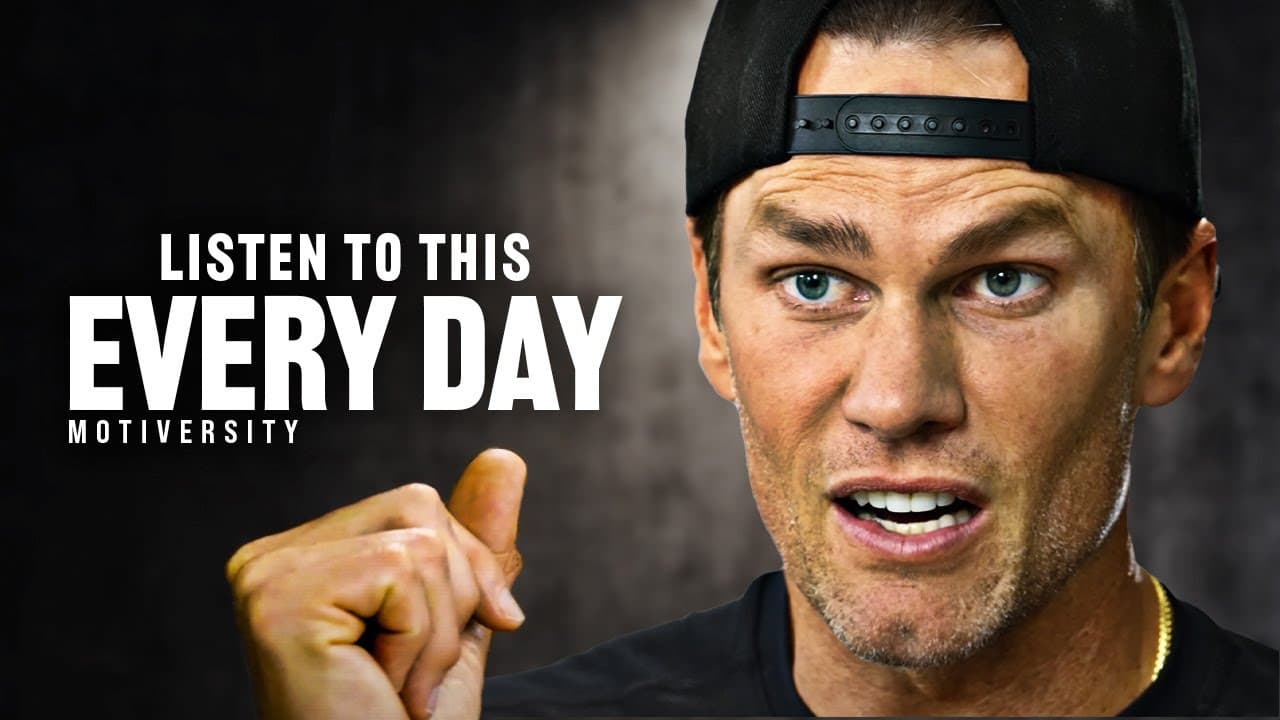
Focus on what you can control: your preparation, work ethic, attitude, discipline, and response to each opportunity. Lasting success comes from doing the extra work consistently, learning from adversity, staying accountable to yourself, and supporting a team whose purpose is greater than any individual outcome.
Transcript
It is hard. It's hard when you're young to wake up in the off season at 6:00 a.m. to go train and work out, knowing that all your friends are sleeping in and eating pancakes. It's hard when you're on your way to practice way down with all your gear and it's 90° out and all the other kids are at the pool or at the beach. It's hard to throw, catch, b... Read More
Key Insights
- Adversity is an opportunity for growth when it is met with humility and honest self-reflection. Difficult training, physical punishment, competition, and draft disappointment helped Brady develop resilience, learn from setbacks, and prepare himself to keep showing up for another chance.
- Consistency is more important than appearing naturally exceptional. Brady says he was not a prodigy and lacked advantages possessed by other players, but he could perform extra work, arrive when others did not, remain determined, and sustain discipline over a long period.
- Controllable actions are the proper focus of daily effort. Outcomes and other people’s opportunities cannot always be controlled, but work ethic, preparation, attitude, care, discipline, culture, and the way a person uses available repetitions remain within individual control.
- A strong process produces results without guaranteeing every outcome. Brady describes Super Bowl victories as consequences of great processes while acknowledging that the ball can bounce the other team’s way, making disciplined preparation a more reliable focus than winning alone.
- Practice is an opportunity that should receive game-level commitment. Brady treated limited repetitions as meaningful, worked in the weight room and film room, pursued his studies, and performed every requested task to the best of his ability to earn trust and respect.
- Self-accountability is measured by the person in the mirror. Brady’s standard was whether he gave his best according to his priorities, because he believed other people could not take away his effort and that only he could diminish his own commitment.
- Great performance depends on a supportive team. Brady credits parents, coaches, mentors, teammates, and organizations throughout his journey, emphasizing that individual ability is insufficient without other committed people who care about one another and their shared objective.
- Improvement requires humility about personal limitations. Brady states that no one excels at everything, that known knowledge is limited, and that unknown knowledge is limitless. Growth therefore requires identifying weaknesses, developing strengths, remaining teachable, and surrounding oneself with people who encourage progress.
Install to Summarize YouTube Videos and Get Transcripts
Explore YouTube Video Summarizer or Get YouTube Transcript Extractor
Questions & Answers
Q: How can you build discipline when you feel unmotivated?
Discipline is built by acting according to your priorities even when your body feels tired or your mind feels unmotivated. Brady’s approach was to wake up, do the extra work, show up when others did not, and repeat the routine over time. The practical standard is not constant motivation, but consistently doing more right than wrong and giving the day’s opportunity your best effort.
Q: What should you focus on when success feels outside your control?
Focus on the process elements that remain under your control, including work ethic, consistent discipline, attitude, preparation, care, and culture. Outcomes can change because events do not always go your way, and other people may receive different opportunities. Brady’s approach was to concentrate on his available repetitions, treat practice seriously, and make the strongest possible use of whatever opportunity he received.
Q: Why can adversity become a valuable experience?
Adversity can become valuable because it exposes weaknesses, demands resilience, and creates opportunities for learning. Brady says the experiences that initially appear hardest can become the best experiences when approached with humility and inward reflection. Difficult training, physical setbacks, competition, and draft disappointment can therefore strengthen work ethic and prepare a person to return, adjust, and try again.
Q: How did Tom Brady compensate for not being a prodigy?
Brady compensated through work ethic, resilience, learning, and sustained discipline. He says he did not possess the strongest arm, exceptional speed, or the size that many other players had. Instead, he performed extra work, treated practice like a game, studied in the film room, trained in the weight room, used limited repetitions seriously, and earned the trust and respect of coaches and teammates.
Q: Why should practice be treated like a real game?
Practice should be treated like a real game because every repetition is an opportunity to prepare, demonstrate reliability, and earn trust. Brady applied this standard even when he received only a small number of repetitions. By competing hard and approaching routine work with game-day seriousness, he could improve his abilities, show teammates and coaches his commitment, and prepare himself to act when a larger opportunity arrived.
Q: How does self-accountability support long-term achievement?
Self-accountability creates a daily standard that does not depend on praise, comparison, or a guaranteed result. Brady describes the person in the mirror as the one he answered to and asks whether he gave his best. This approach places responsibility on personal choices, priorities, preparation, and effort, helping a person maintain discipline through both losses and victories without allowing external events to define the work.
Q: Why is teamwork necessary for individual success?
Teamwork is necessary because individual talent cannot accomplish a shared goal without committed support. Brady credits his parents, coaches, mentors, teammates, and organizations for helping him reach his position. A strong culture asks whether people care about one another and what they are trying to accomplish together. Personal discipline becomes more valuable when it strengthens trust, accountability, and performance across the entire team.
Q: How should you use losses and victories as motivation?
Losses can motivate improvement, while victories require continued motivation so that discipline does not fade. Brady argues that neither result should replace attention to the process because outcomes cannot always be controlled. The stable response is to keep managing work ethic, preparation, attitude, care, and routine. Winning may follow from a strong process, but daily effort must continue regardless of the previous result.
Summary & Key Takeaways
-
Tom Brady describes hardship as preparation for achievement. Early training, physical setbacks, limited playing opportunities, and waiting until the later draft rounds taught him that adversity can become a valuable source of growth when approached with humility, honest self-reflection, resilience, and a willingness to keep learning.
-
His central practice is to focus on controllable actions instead of comparisons or outcomes. He treated practice like a game, performed extra work, used every available repetition, and maintained disciplined routines. Winning followed from that process, but his daily motivation was giving his best and never disappointing his teammates.
-
Brady presents achievement as both personal and collective. Individuals must answer to the person in the mirror, improve weaknesses, build strengths, and make more good choices than bad ones. They must also care about teammates, accept support, earn trust through work, and dedicate themselves to something greater than themselves.
Read in Other Languages (beta)
Share This Summary 📚
Summarize YouTube Videos and Get Video Transcripts with 1-Click
Try YouTube Summary with ChatGPT & Claude or YouTube Transcript Generator
Explore More Summaries from Motiversity 📚


Summarize YouTube Videos and Get Video Transcripts with 1-Click
Try YouTube Summary with ChatGPT & Claude or YouTube Transcript Generator