Does America Need Foreign Workers for Talent?
TL;DR
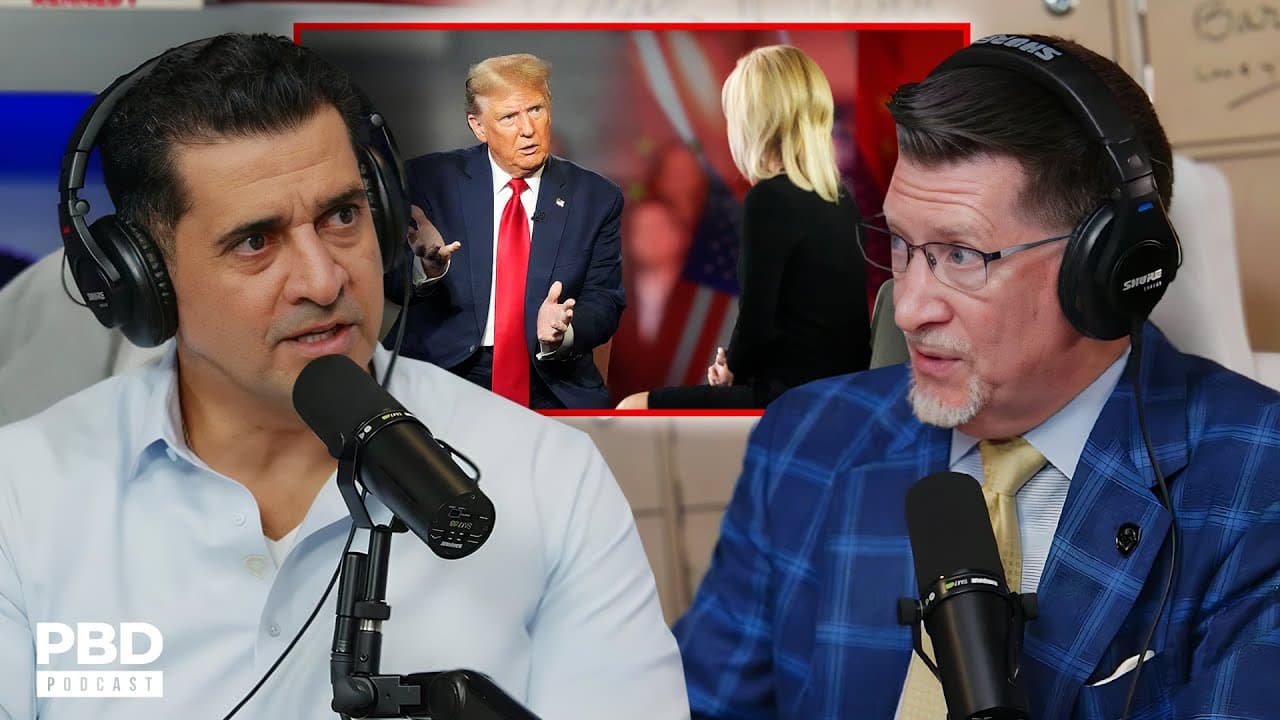
Trump argues that America lacks certain talents and needs foreign workers, sparking a debate on the H-1B visa program. Laura Ingraham challenges his view, advocating for American workers. The discussion highlights differing perspectives on immigration, education, and workforce development in the U.S.
Transcript
This has created a lot of conversation about the H-1B visa. It's every other channel. They're talking about this. Go ahead and play this little prop. There's never going to be a country like what we have right now. The Republicans have to talk about it like And does that mean the H1B visa thing will not be a big priority for your administration bec... Read More
Key Insights
- Trump believes America lacks certain talents and needs foreign workers.
- H-1B visa program is central to the debate on foreign talent in the U.S.
- Laura Ingraham pushes back, advocating for American workers' opportunities.
- Discussion highlights the complexities of retraining unemployed Americans.
- Universities rely on foreign students for financial stability.
- There is a tension between economic needs and nationalistic sentiments.
- Trump's approach is seen as business-oriented, focusing on talent acquisition.
- The debate reflects broader issues of education and immigration policy in America.
Install to Summarize YouTube Videos and Get Transcripts
Explore YouTube Video Summarizer or Get YouTube Transcript Extractor
Questions & Answers
Q: Why does Trump believe America needs foreign workers?
Trump argues that America lacks certain specialized talents that foreign workers possess, which are necessary for industries like manufacturing and technology. He believes that bringing in skilled workers through programs like the H-1B visa is essential for economic growth and maintaining competitive industries. According to Trump, retraining unemployed Americans for these roles is not feasible in the short term.
Q: What is the H-1B visa program?
The H-1B visa program allows U.S. employers to temporarily employ foreign workers in specialty occupations that require theoretical or technical expertise. It is often used in industries such as IT, engineering, and healthcare. The program is designed to help fill gaps in the American workforce where there is a shortage of skilled workers, though it has been a point of contention in debates over immigration policy.
Q: How does Laura Ingraham view the H-1B visa debate?
Laura Ingraham challenges Trump's view by advocating for American workers and questioning the necessity of relying on foreign talent. She argues that the focus should be on creating opportunities for Americans and addressing the root causes of unemployment. Ingraham's stance reflects a nationalistic perspective that prioritizes domestic workforce development over bringing in foreign workers.
Q: What role do foreign students play in U.S. universities?
Foreign students, particularly from countries like China, play a significant role in the financial stability of U.S. universities. They often pay higher tuition fees, which helps fund university operations and programs. This dependency raises concerns about the impact on American students and the potential influence of foreign governments on academic institutions. The issue is part of a broader debate on education and immigration policy.
Q: How does the debate reflect broader immigration issues?
The debate over the H-1B visa and foreign workers highlights broader immigration issues, such as the balance between economic needs and nationalistic sentiments. It raises questions about how to address workforce shortages while protecting American jobs and interests. The discussion reflects ongoing tensions between those who advocate for open immigration policies and those who prioritize domestic workforce development.
Q: What are the challenges of retraining unemployed Americans?
Retraining unemployed Americans for specialized roles in industries like technology and manufacturing presents significant challenges. It requires substantial investment in education and training programs, as well as time to develop the necessary skills. Additionally, there may be resistance from individuals who are unwilling or unable to transition into new fields. These challenges contribute to the reliance on foreign workers to fill immediate gaps in the workforce.
Q: How does Trump's business-oriented approach influence his views?
Trump's business-oriented approach to immigration and talent acquisition focuses on economic growth and competitiveness. He views the H-1B visa program as a tool to bring in the necessary skills and expertise that may be lacking domestically. This perspective prioritizes the immediate needs of industries and the economy over longer-term workforce development and retraining efforts. It reflects a pragmatic approach to addressing workforce shortages.
Q: What impact does the debate have on America's workforce future?
The debate over foreign workers and the H-1B visa program has significant implications for America's workforce future. It influences policy decisions on immigration, education, and economic development. The outcome of this debate will affect how the U.S. addresses workforce shortages, balances domestic and foreign talent, and prepares for future economic challenges. It underscores the need for a comprehensive strategy to ensure a skilled and competitive workforce.
Summary & Key Takeaways
-
Trump argues that America lacks certain talents and needs foreign workers, sparking a heated debate on the H-1B visa program with Laura Ingraham. He highlights the challenges of retraining unemployed Americans for specialized jobs, while Ingraham advocates for prioritizing American workers. The discussion underscores the complexities of immigration and workforce development in the U.S.
-
Universities in the U.S. rely heavily on foreign students, particularly from China, for financial stability. This dependency raises questions about the balance between economic needs and nationalistic sentiments. The debate reflects broader issues of education policy and the role of foreign talent in America's future workforce.
-
The panel discussion, led by Patrick Bet-David, examines Trump's business-oriented approach to immigration and talent acquisition. The conversation reveals differing perspectives on the necessity of foreign workers and the potential impact on American jobs and education systems. The debate highlights the ongoing clash over immigration, education, and America's workforce future.
Read in Other Languages (beta)
Share This Summary 📚
Summarize YouTube Videos and Get Video Transcripts with 1-Click
Try YouTube Summary with ChatGPT & Claude or YouTube Transcript Generator
Explore More Summaries from Valuetainment 📚






Summarize YouTube Videos and Get Video Transcripts with 1-Click
Try YouTube Summary with ChatGPT & Claude or YouTube Transcript Generator