How to Balance Fitness, Recovery, and Brain Health
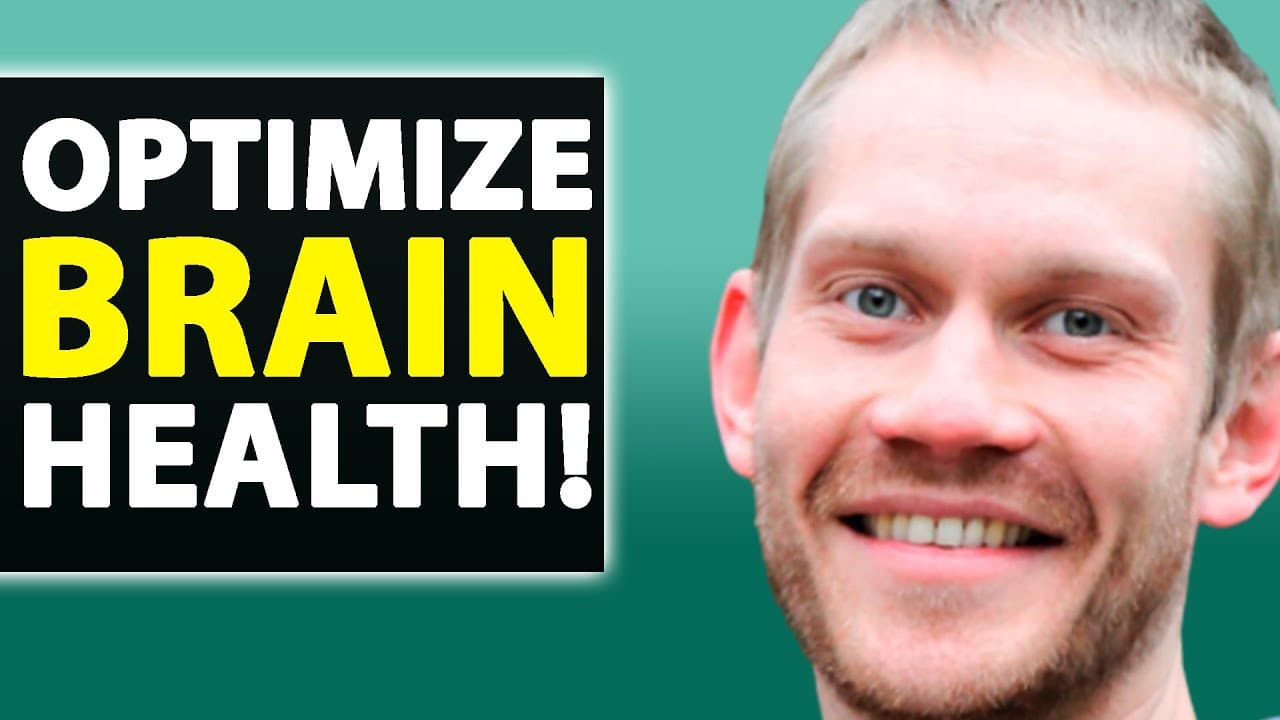
TL;DR
Health improves when training stress is balanced with enough recovery, because the body becomes stronger while adapting and consolidating, not during relentless exertion. Track how you feel, consider the combined load from exercise, sleep, nutrition, work, and psychological demands, and adjust accordingly. Greater athletic fitness does not always mean better overall health, especially when specialized performance requires sacrificing other capacities.
Transcript
there's almost no example in medicine or health where the same thing helps everybody subjective quality of life subjective health is one of the best predictors of long-term health right how do i feel just asking yourself that question over time as you make changes being mindful of you know how is my body responding i think it's going to get you a g... Read More
Key Insights
- Fitness and health are generally related in the average population, so improving fitness from almost any starting point can produce an overall health benefit. At highly competitive levels, however, further performance gains may require sacrifices that reduce other dimensions of physical capacity or wellbeing.
- Specialized athletic performance is built through targeted adaptations that may leave other abilities underdeveloped. A Tour de France cyclist can possess an exceptional cardiovascular system yet lack the muscle fibers and structure needed for explosive movements such as jumping onto a high wall.
- Fast-twitch muscle fibers are important for stopping a fall as people grow older. A very large amount of endurance exercise can reduce these fibers, illustrating how extreme specialization may create a long-term limitation even when an athlete has remarkable cardiovascular fitness.
- Stress is necessary for adaptation because physiological challenges stimulate the body to become stronger and fitter. The problem is not the existence of stress itself, but the accumulation of exercise, poor sleep, inadequate nutrition, work demands, and psychological pressure without sufficient recovery.
- Total stress load is created by multiple areas of life rather than exercise alone. Marathon training, professional responsibilities, family demands, eating patterns, and sleep can compete for the same capacity, so an intense training block may require reducing demands elsewhere.
- Recovery is where training produces greater strength because the body needs time to adapt, consolidate, and rebuild. Continuously adding stress without this opportunity can create long-term detriment rather than the intended improvement in fitness or performance.
- Amateur athletes may be more likely to ignore physical feedback because they associate harder training with faster progress. The orthopedic observation that only amateurs get stress fractures reflected a pattern of pushing through fatigue instead of autoregulating training and listening to the body.
- Subjective health and quality of life are valuable indicators of long-term health. Asking how the body feels while making changes, then observing the response over time, can help people navigate conflicting advice because no single medical or health intervention helps everybody.
Install to Summarize YouTube Videos and Get Transcripts
Explore YouTube Video Summarizer or Get YouTube Transcript Extractor
Questions & Answers
Q: How can someone balance fitness training with recovery?
Balance training by considering the total stress placed on the body, including exercise, sleep, nutrition, work, psychological pressure, and other responsibilities. Some stress is needed to stimulate adaptation, but the body also needs time to consolidate and recover. During an intense training period, reducing demands elsewhere and including lighter weeks, walking, relaxation, or rest can support sustainable progress.
Q: Can an athlete be fit but not healthy?
An athlete can be exceptionally fit for a specific sport while lacking broader health-related capacities. At the highest performance levels, targeted adaptations may require sacrifices elsewhere. An endurance cyclist, for example, may have exceptional cardiovascular fitness but lack the muscle structure and fast-twitch fibers needed for explosive movement, strength, or protection against falls later in life.
Q: Why is recovery considered part of training?
Recovery is part of training because the body becomes stronger while adapting and consolidating after a stressful session. Exercise supplies the stimulus, but repeatedly applying that stimulus without enough rest can prevent the intended adaptation and produce long-term detriment. A lighter week that substitutes walking or rest for running can therefore contribute directly to future strength and performance.
Q: How does total stress affect athletic performance and health?
Total stress reflects the combined demands of training, sleep, eating, work, family responsibilities, psychological pressure, and other parts of life. Each stressor may be manageable alone, but together they can exceed the body's capacity to adapt. When recovery is insufficient, the accumulated load can harm performance, physical health, cognitive capacity, work, and relationships.
Q: Why can excessive endurance training create long-term problems?
Excessive endurance training can prioritize cardiovascular adaptation while reducing or neglecting other physical qualities. A large amount of endurance exercise may contribute to losing fast-twitch muscle fibers, which help a person react quickly and stop a fall. This does not mean endurance exercise is inherently unhealthy, but extreme specialization can leave important capacities underdeveloped.
Q: Why do amateur athletes sometimes develop overuse injuries?
Passionate amateur athletes may believe that training harder and more often will automatically produce a faster race time. As a result, they may ignore physical feedback, avoid rest, and fail to autoregulate their workload. The transcript uses metatarsal stress fractures in runners to illustrate how continuously pushing without adequate recovery can cause training to come apart.
Q: How can subjective wellbeing guide health decisions?
Subjective quality of life and subjective health can help a person evaluate whether a change is supporting long-term wellbeing. The practical approach is to ask, “How do I feel?” and observe the answer over time while changing training, nutrition, sleep, or other habits. This respects individual responses because the same health intervention does not help everyone.
Q: How much exercise is needed to improve general health?
The transcript argues that people need some cardiovascular fitness and strength, but not necessarily as much work as they may have been led to believe. Running for an hour every day is not required to be fit. For the average population, improving fitness from the current baseline can provide substantial health benefits without pursuing extreme or highly specialized athletic performance.
Summary & Key Takeaways
-
Fitness and health generally rise together in the average population, but the relationship becomes less straightforward at elite performance levels. Athletes pursuing highly specific adaptations may sacrifice strength, muscle structure, recovery, relationships, or other aspects of health. Long-term wellbeing therefore requires broader capacities than excellence in a single sport or physical attribute.
-
Stress is necessary because it prompts physiological adaptation and helps people become fitter and stronger. However, exercise combines with sleep, nutrition, work, and psychological pressures to create a total load on the body. When that load repeatedly exceeds the opportunity to recover, performance, health, work, and relationships can all begin to suffer.
-
Recovery is an active part of training because adaptation and consolidation occur after the demanding session. Professional athletes often protect recovery because their bodies support their careers, while passionate amateurs may keep pushing despite warning signs. Regularly assessing subjective health and quality of life can help guide sustainable changes and appropriate training adjustments.
Read in Other Languages (beta)
Share This Summary 📚
Summarize YouTube Videos and Get Video Transcripts with 1-Click
Try YouTube Summary with ChatGPT & Claude or YouTube Transcript Generator
Explore More Summaries from Dr Rangan Chatterjee 📚

Summarize YouTube Videos and Get Video Transcripts with 1-Click
Try YouTube Summary with ChatGPT & Claude or YouTube Transcript Generator