How to Start and Grow a YouTube Channel in 2026
TL;DR
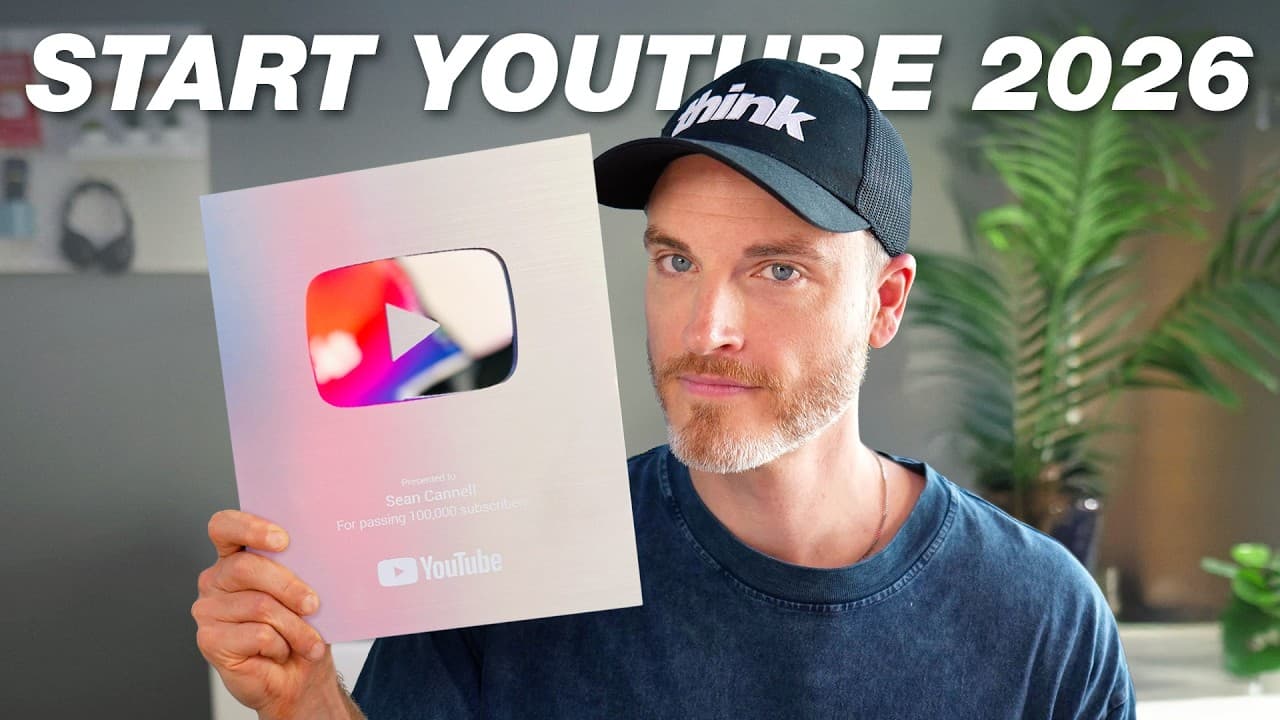
Start by defining the audience, problem, growth plan, and revenue path for your channel, then research demand and competing videos before recording. Create each video with a clear structure, strong hook, title, and thumbnail, then optimize its description, tags, chapters, links, playlist placement, settings, and pinned comment before making it public.
Transcript
So, if I was going to start a YouTube channel in 2026, this is the exact sevenstep system that I would follow. And our students have actually been using this system for years now to get their first 100, a thousand, even a 100,000 subscribers on YouTube. But I have a disclaimer for you. This system isn't some magic pill, right? You actually have to ... Read More
Key Insights
- Reverse engineering is the first step because a channel needs a defined audience, a problem to solve, a growth plan, and a revenue path before regular publishing begins. Starting with these outcomes gives both the channel and each individual video a clear purpose.
- A narrowly defined audience is more useful than trying to reach everyone. A fishing channel, for example, can serve people who love fishing or want to begin, while solving practical problems such as catching fish, choosing lures, or catching larger fish.
- A revenue plan can begin before YouTube Partner Program approval. A creator reviewing five bass-fishing lures could place affiliate links to those products in the description, connecting the video's topic and intended audience with a potential source of income.
- Keyword research is the process of finding the topics, search terms, and language viewers use when looking for videos. YouTube search suggestions and tools such as vidIQ can help shape a title and indicate how much interest exists around a subject.
- Competitor research is a planning method that examines related videos before production. Useful details include their length, titles, thumbnails, and content, along with opportunities to offer a different perspective or a more distinctive treatment of the same general topic.
- Strategic recording begins with a strong concept, hook, title, thumbnail, and organized outline. Planning the beginning, middle, and end helps prevent rambling, reduces the chance of forgetting important points, and makes the finished presentation easier for viewers to follow.
- Video optimization is the central task of the release stage. It includes completing the title, description, tags, chapters, time codes, thumbnail, links, hashtags, playlist placement, audience settings, channel tags, and other available publishing options before making the upload public.
- Consistent execution is required because the system is not presented as a shortcut. Creators still need to overcome fear, press record, upload videos, and commit at least a few hours each week while repeatedly applying the planning, research, recording, and release process.
- Related book: The Art of War
- Related book: YouTube Secrets
Install to Summarize YouTube Videos and Get Transcripts
Explore YouTube Video Summarizer or Get YouTube Transcript Extractor
Questions & Answers
Q: How should I start a YouTube channel in 2026?
Start by reverse engineering the desired result. Identify exactly who the channel is for, what problem it will solve, how you plan to grow it, and how it could make money. Next, research viewer searches and competing videos, build a structured outline, record with a strong hook and clear central idea, then fully optimize and publish the upload.
Q: How do I choose a target audience for a YouTube channel?
Define a specific group whose interests or problems match the content you can create. The transcript uses a fishing channel as an example: it might serve people who already love fishing or people who want to start. The channel could then answer focused questions about catching fish, catching larger fish, or selecting the best lure.
Q: How can a new YouTube channel make money before monetization approval?
Plan the revenue path before creating the video instead of waiting for YouTube Partner Program approval. One example is producing a review of five lures for catching bass and placing affiliate links to those products in the description. This approach connects a useful video with relevant products that interested viewers may choose to purchase.
Q: How do I find YouTube video topics people are searching for?
Use keyword research to discover the topics and phrases viewers already enter. You can type the beginning of a phrase, such as "best fishing," into the YouTube search bar and examine its suggestions. The transcript also recommends vidIQ for keyword research. Evaluate audience interest and use the language you discover to help craft the video's title.
Q: What should I study when researching competing YouTube videos?
Examine videos covering the same or a closely related subject. Compare their lengths, titles, thumbnails, and the information included in each video. Consider what you can learn from their choices and determine how your own treatment will differ. This research gives you more insight and intentionality before you develop the outline and begin recording.
Q: How do I avoid rambling while recording a YouTube video?
Prepare a clear structure before pressing record. Decide on the video's purpose, audience, central idea, hook, and the points you want to cover, then organize those points into a beginning, middle, and end. Preparation makes it less likely that you will forget important information or continue speaking without direction, and it helps viewers follow the presentation.
Q: What should I optimize before publishing a YouTube video?
Review the title and thumbnail, complete the description line by line, add tags, and include time codes and chapters where useful. You can also add relevant links, hashtags, channel tags, and the video to a playlist. Confirm whether the content is for children, check the remaining YouTube settings, and publish only after the upload is fully prepared.
Q: Why should I pin a comment after releasing a YouTube video?
A pinned comment can help begin or guide the conversation beneath the video. It gives the creator a prominent place to engage viewers, add context, or provide a link to another relevant destination. The transcript presents pinning a comment as part of the broader release process, alongside completing metadata, choosing settings, and making the optimized upload public.
Summary & Key Takeaways
-
The system begins with reverse engineering. Define who the channel serves, what problem it solves, how it will grow, and how it could make money. Applying those questions to every planned upload gives each video a specific audience, purpose, and potential revenue path before production begins.
-
Research identifies the topics and language viewers already use. YouTube search suggestions and tools such as vidIQ can reveal keyword ideas, while competitor analysis shows existing titles, thumbnails, lengths, and content. These findings help creators choose a differentiated angle and prepare a purposeful outline before recording.
-
Recording should follow a planned beginning, middle, and end instead of becoming an unstructured monologue. After production, the release process includes refining the title and thumbnail, completing the description and tags, adding chapters, links, hashtags, playlists, audience settings, and a pinned comment, then publishing the optimized video.
Read in Other Languages (beta)
Share This Summary 📚
Summarize YouTube Videos and Get Video Transcripts with 1-Click
Try YouTube Summary with ChatGPT & Claude or YouTube Transcript Generator
Explore More Summaries from Think Media 📚
Summarize YouTube Videos and Get Video Transcripts with 1-Click
Try YouTube Summary with ChatGPT & Claude or YouTube Transcript Generator