Which 10 Former WWE Stars Joined AEW, and Why Did Their Moves Matter?
TL;DR
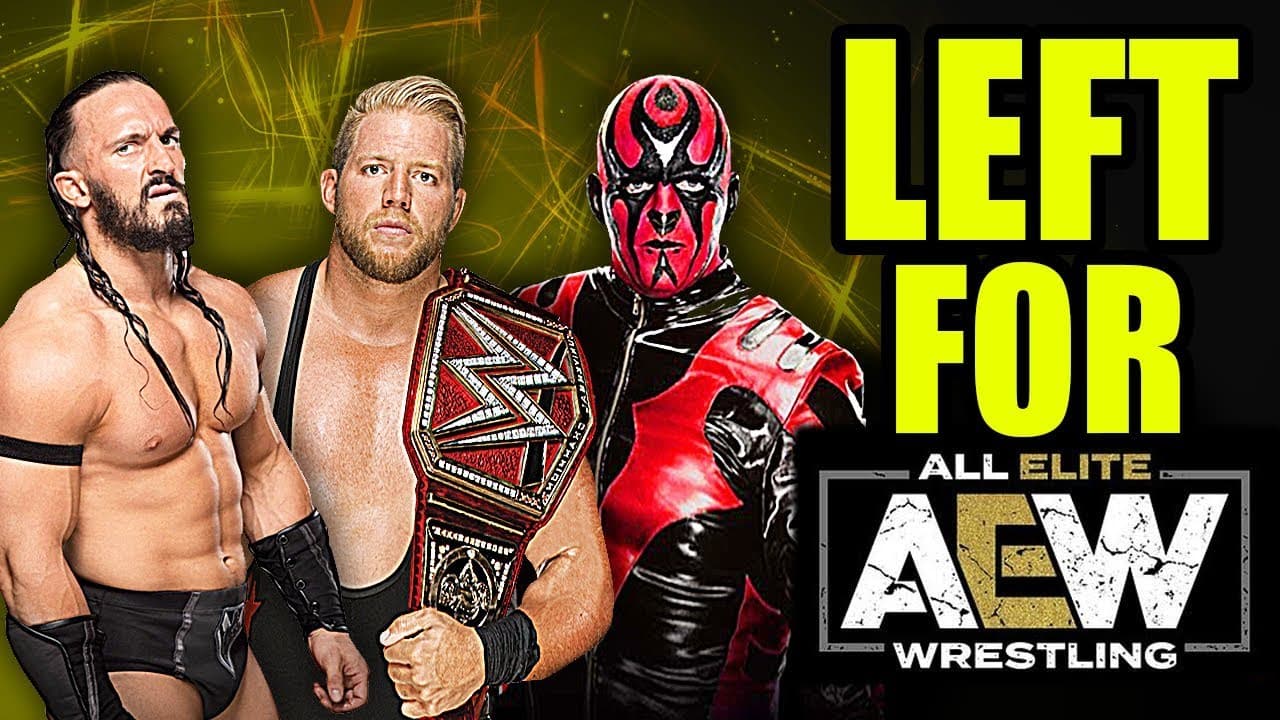
Former WWE figures joined AEW to pursue larger opportunities as wrestlers, founders, executives, coaches, commentators, and referees. Cody Rhodes went from portraying Stardust to becoming a leading AEW founder in under 40 months, while Chris Jericho supplied credibility and Jon Moxley made the promotion’s strongest competitive statement. Read on to see how eight notable arrivals strengthened AEW in distinct ways.
Transcript
it's long and it sounds important if apparently if you put executive vice president in front of anybody's name they feel important executive it's a meaningless title but it helps insecure people feel better about themselves like the video subscribe to the channel and turn on those notifications and once you're done leave a comment down below and i ... Read More
Key Insights
- AEW's former WWE personnel filled several different roles, including wrestler, founder, executive, coach, commentator, and referee. The list therefore shows that the promotion recruited both active performers and experienced industry figures who could contribute knowledge, recognition, presentation, and leadership.
- Cody Rhodes is presented as the clearest example of career reinvention. Less than 40 months after portraying Stardust at WrestleMania, he had become a leading founder of a new American wrestling promotion with ambitions to challenge Vince McMahon's established professional wrestling business.
- The Young Bucks had brief and unusual WWE appearances before finding broader success elsewhere. Matt Jackson wrestled Chuck Palumbo and Big Show in 2008, and both brothers later impersonated Triple H and Shawn Michaels on ECW before becoming international sensations through independent wrestling.
- Pac's planned participation was limited by a conflict between championship protection and AEW's competitive presentation. As the undefeated Dragon Gate champion, he faced difficulties taking losses elsewhere, while AEW intended match results to matter significantly within its own developing system.
- Dustin Rhodes showed that a carefully built emotional story can elevate a veteran performer. His match with Cody at Double or Nothing was described as his finest after years of WWE underutilization and as proof that emotion can sometimes carry greater impact than wrestling ability.
- AEW used experienced non-wrestlers to strengthen its presentation and internal knowledge. Jim Ross added recognizable commentary and professional wrestling insight, Earl Hebner brought familiarity as a referee, and Billy Gunn applied the teaching skills he had previously demonstrated on Tough Enough.
- Chris Jericho's signing changed how credible AEW appeared to the narrator. His experience across WCW, Japan, WrestleMania, world championship reigns, and major events made him the promotion's biggest signing at that point and signaled his willingness to take a professional risk.
- Jon Moxley's arrival is framed as the most forceful declaration made by a former WWE wrestler joining AEW. Although Jericho was considered the larger star, Moxley's move was presented as especially meaningful because WWE was increasingly reluctant to let talent leave in 2019.
Install to Summarize YouTube Videos and Get Transcripts
Explore YouTube Video Summarizer or Get YouTube Transcript Extractor
Questions & Answers
Q: Why did former WWE stars join AEW?
They joined AEW for opportunities that included prominent wrestling roles, company leadership, coaching, commentary, and officiating. Cody Rhodes helped establish the promotion, while experienced figures such as Billy Gunn, Jim Ross, and Earl Hebner contributed teaching, broadcasting, and refereeing expertise.
Q: Why did Cody Rhodes become important to AEW?
Cody Rhodes went from portraying Stardust at WrestleMania to becoming a leading founder of AEW in under 40 months. The transcript presents that career reversal as especially striking and credits his work, including the emotional Double or Nothing match with Dustin Rhodes, with helping renew enthusiasm for professional wrestling.
Q: Did the Young Bucks ever appear in WWE?
Yes. Matt Jackson lost to Chuck Palumbo on SmackDown in 2008 and later faced Big Show in an exhibition Last Man Standing match; 11 days afterward, both brothers appeared on ECW dressed as Triple H and Shawn Michaels before being attacked by The Miz and John Morrison.
Q: How was Shawn Spears introduced to AEW audiences?
Shawn Spears, formerly known as Tye Dillinger, was announced shortly before the Casino Battle Royale. His presentation showed a dealer’s table and playing cards before revealing a ten, connecting the casino theme to his established Perfect 10 identity.
Q: Why was Pac unable to appear at Double or Nothing?
Pac was the undefeated Dragon Gate champion, creating problems with taking a loss in another promotion. Because AEW intended wins and losses to matter significantly, the transcript said his participation could become easier after he lost that championship and entered a cooldown period.
Q: What roles did Billy Gunn, Jim Ross, and Earl Hebner have in AEW?
Billy Gunn brought teaching skills to AEW’s locker room, supported by the coaching ability he had shown on Tough Enough. Jim Ross supplied commentary and extensive wrestling insight, while Earl Hebner served as a recognizable referee whose appearance added familiarity to Cody’s match.
Q: Why was Chris Jericho’s AEW signing considered significant?
Chris Jericho gave the emerging promotion an established, widely recognizable veteran name. The transcript points to his experience in WCW and Japan, WrestleMania appearances, multiple world championships, and victory over Steve Austin and The Rock on the same night as reasons his signing made AEW appear more consequential.
Q: Why was Jon Moxley’s move to AEW portrayed as the biggest statement?
Jon Moxley’s arrival was described as AEW’s strongest statement from a former WWE wrestler, even though Chris Jericho was considered the bigger star. The transcript says the wrestling landscape had changed by 2019 and that WWE’s increasing reluctance to let talent leave made Moxley’s decision especially consequential.
Summary & Key Takeaways
-
AEW assembled a roster containing numerous people with previous WWE experience, although not everyone directly departed WWE specifically to join the new promotion. Cody and Brandi Rhodes became central figures, while the Young Bucks had made unusual WWE appearances long before establishing themselves internationally through work on the independent wrestling scene.
-
Several wrestlers sought opportunities beyond their limited or underused WWE roles. Shawn Spears arrived with a casino-themed reveal, Pac faced complications involving his undefeated Dragon Gate championship status, Trent Beretta resurfaced after an unmemorable WWE run, and Dustin Rhodes produced an emotionally powerful match against his younger brother Cody at Double or Nothing.
-
AEW also recruited experienced veterans for credibility and backstage knowledge. Billy Gunn brought teaching experience, Earl Hebner joined as a recognizable referee, and Jim Ross strengthened commentary. Chris Jericho made the promotion appear more consequential, while Jon Moxley's arrival represented the clearest statement that AEW could attract prominent former WWE wrestlers.
-
Cody Rhodes transformed from the performer behind WWE's Stardust character into a leading founder of AEW. His role represented the dramatic change described throughout the list, moving from a restrictive wrestling gimmick to helping establish an American promotion presented as a possible challenger to Vince McMahon's professional wrestling empire.
-
The Young Bucks had appeared in WWE years before becoming internationally known through independent wrestling. Matt Jackson lost to Chuck Palumbo and Big Show in 2008, while the brothers later dressed as Triple H and Shawn Michaels on ECW before being attacked by The Miz and John Morrison.
-
Shawn Spears entered AEW after being known as Tye Dillinger in WWE. His announcement used a dealer's table and playing cards before revealing a ten, connecting his established Perfect 10 identity with the casino theme surrounding AEW's Casino Battle Royale and giving his arrival a distinctive presentation.
-
Pac's early AEW involvement was complicated by his status as an undefeated Dragon Gate champion. Because AEW intended wins and losses to matter, taking a defeat in another promotion presented difficulties. The transcript expected the situation to become easier after he eventually lost that championship and entered a cooldown period.
-
Billy Gunn, Jim Ross, and Earl Hebner added experience beyond regular wrestling matches. Gunn provided teaching skills to AEW's locker room, Ross supplied commentary and extensive industry insight, and Hebner served as a recognizable referee whose appearance in Cody's match contributed familiarity to the new promotion.
-
Dustin Rhodes handled his WWE departure quietly and later joined his younger brother Cody in AEW. Their Double or Nothing match was praised as Dustin's best after years of underutilization, with its emotional force presented as evidence that compelling feeling can sometimes matter more than pure wrestling ability.
-
Chris Jericho's signing gave AEW a major recognizable name and made a clear statement about the promotion's prospects. His long career included WCW, Japan, WrestleMania, multiple world championships, and defeating Steve Austin and The Rock on the same night, according to the transcript.
-
Jon Moxley's arrival was presented as AEW's strongest statement, even though Chris Jericho was described as the bigger star. The comparison emphasized the changed professional wrestling landscape in 2019 and portrayed Moxley's move as more consequential to WWE than CM Punk's earlier public criticism of the company.
Read in Other Languages (beta)
Share This Summary 📚
Summarize YouTube Videos and Get Video Transcripts with 1-Click
Try YouTube Summary with ChatGPT & Claude or YouTube Transcript Generator
Explore More Summaries from Watch WWE 📚
Summarize YouTube Videos and Get Video Transcripts with 1-Click
Try YouTube Summary with ChatGPT & Claude or YouTube Transcript Generator