What Is the Future of Psychedelic-Assisted Psychotherapy?
TL;DR
The future of psychedelic-assisted psychotherapy looks promising, with substances like MDMA and psilocybin showing effectiveness in treating PTSD and depression. Recent studies have shown that MDMA significantly increases the rates of recovery from PTSD, leading to FDA designation as a breakthrough therapy. This revival of research could lead to widespread psychedelic clinics offering transformative mental health treatments globally.
Transcript
Preparing for this talk has been scarier for me than preparing for LSD therapy. (Laughter) "Psychedelics are to the study of the mind what the microscope is to biology and the telescope is to astronomy." Dr. Stanislav Grof spoke those words. He's one of the leading psychedelic researchers in the world, and he's also been my mentor. Today, I'd like ... Read More
Key Insights
- 🔬 Psychedelics were once promising tools for psychiatric research, but were criminalized due to unwise use and a backlash in the 1970s.
- 🌍 There is currently a global renaissance of psychedelic research, with potential benefits in psychotherapy, neuroscience, and the study of consciousness.
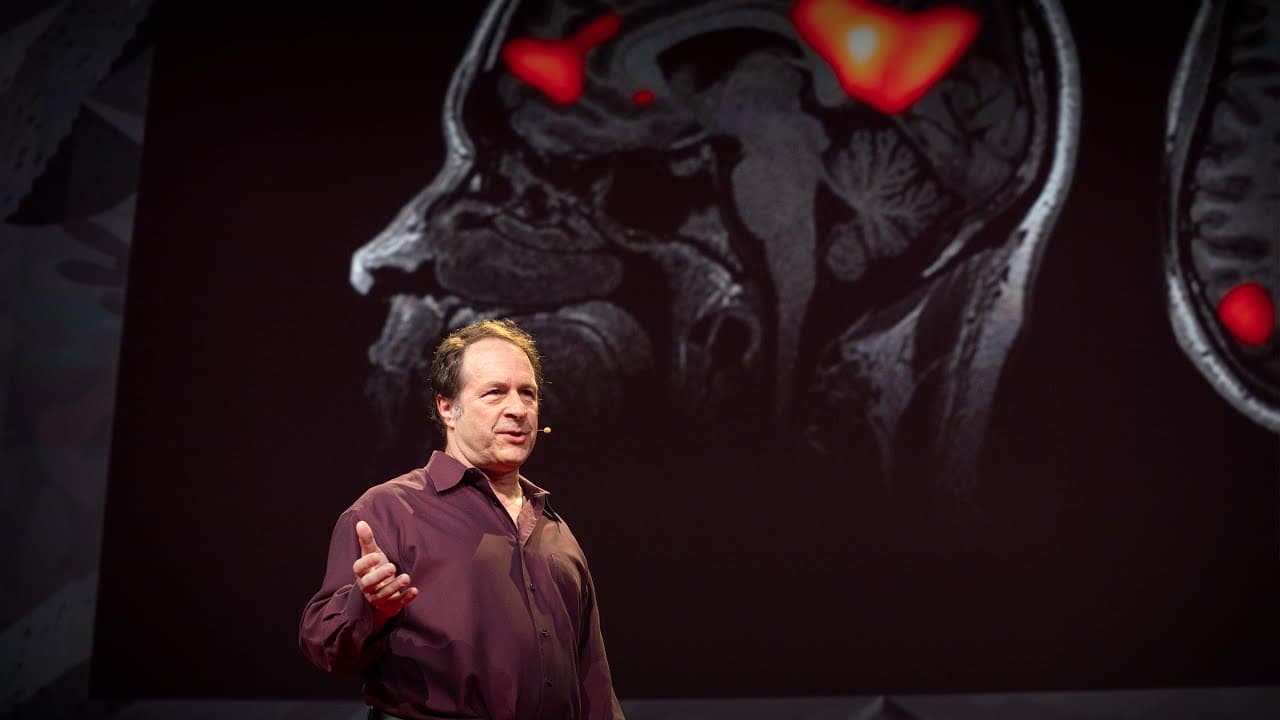
- 💊 Psychedelics like LSD and psilocybin can reduce activity in the brain's default mode network, leading to shifts in awareness and feelings of unity and altruism.
- 💪 MDMA, or Ecstasy, works differently and has shown promise in treating PTSD by reducing fear, increasing logical thinking, and facilitating positive memory processing.
- ❤️ The FDA has declared MDMA-assisted psychotherapy for PTSD a breakthrough therapy, and similar breakthrough therapies have been declared for psilocybin and esketamine for depression.
- 🌱 Microdosing psychedelics can be used for mood elevation, focus, and creativity, but macro-dosing is preferred for therapeutic purposes to address root causes of mental illnesses.
- 🌎 Psychedelic research is expanding globally, with studies taking place in Israel, Canada, the United States, and Europe, and therapists being trained in China.
- 👍 The potential benefits of psychedelic research include helping heal trauma, inspiring personal growth, and fostering positive societal change by promoting consciousness and unity.
- 🎙️ More videos with Rick Doblin:
Install to Summarize YouTube Videos and Get Transcripts
Explore YouTube Video Summarizer or Get YouTube Transcript Extractor
Questions & Answers
Q: What is the potential of psychedelics when used wisely?
When used wisely, psychedelics have the potential to help heal us, inspire us, and even save us. They have been shown to be promising in the treatment of PTSD, depression, social anxiety, substance abuse, alcoholism, and suicide.
Q: What led to the criminalization of psychedelics in the 1970s?
Psychedelics were criminalized in the 1970s due to their widespread use by the counterculture and anti-Vietnam War movement, as well as the unwise use and backlash associated with these drugs.
Q: How do psychedelics work in the brain?
Psychedelics reduce activity in the brain's default mode network, which is responsible for creating our sense of self. This shift in awareness allows individuals to see themselves as part of a larger field of awareness and experience a sense of unity and connection with the world.
Q: What is the role of MDMA in treating PTSD?
MDMA reduces activity in the amygdala (where fear is processed), increases activity in the prefrontal cortex (where logical thinking occurs), and enhances connectivity between the amygdala and hippocampus (where memories are stored). This helps individuals with PTSD process their trauma more fluidly and move traumatic memories into long-term storage.
Q: What are the results of MDMA-assisted psychotherapy for PTSD?
The data presented to the FDA showed that 56% of individuals who received MDMA-assisted psychotherapy no longer had PTSD at the end of treatment. Additionally, at the 12-month follow-up, two-thirds of participants no longer had PTSD, and those who still did experienced clinically significant reductions in symptoms.
Summary & Key Takeaways
-
Psychedelics, when used wisely, have the potential to heal, inspire, and save us.
-
Psychedelic research flourished in the 1950s and 60s but was banned in 1970 due to misuse.
-
Modern research shows that psychedelics like MDMA and psilocybin can effectively treat PTSD and depression.
Read in Other Languages (beta)
Share This Summary 📚
Summarize YouTube Videos and Get Video Transcripts with 1-Click
Try YouTube Summary with ChatGPT & Claude or YouTube Transcript Generator
Explore More Summaries from TED 📚



Summarize YouTube Videos and Get Video Transcripts with 1-Click
Try YouTube Summary with ChatGPT & Claude or YouTube Transcript Generator