How to Build Discipline and Pursue Your Goals

TL;DR
Discipline sustains progress after motivation fades: define a meaningful goal, gather strong reasons to pursue it, establish a routine, and complete the required work even when you resist. Treat adversity as material for growth, stop depending on approval or rescue, prepare consistently, and direct your time, energy, reading, and habits toward becoming better at your craft.
Transcript
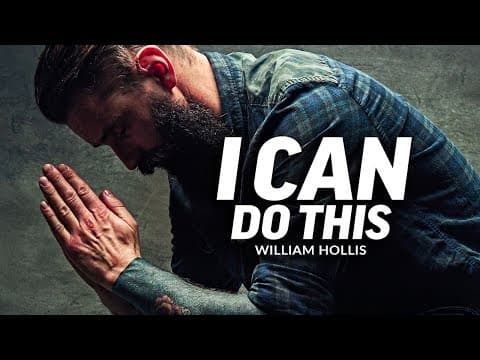
they think i'm crazy they think i'm out of my mind they think i'm just a dreamer they've always underestimated me see they think i'm beaten they think they've broken my spirit they said ain't no way he's gonna get up off the mat this time he's done they expect me to quit they expect me to give up they're waiting on me to wave that white flag they t... Read More
Key Insights
- Discipline is the foundation of sustained happiness and commitment. Motivation or an inspiring speech can create initial energy, but consistent behavior keeps a person moving toward a goal after that emotional energy has faded and daily work still needs to be completed.
- Adversity is material that can be transformed into strength. The compilation frames criticism, heartbreak, mistakes, defeat, and failure as experiences that can produce wisdom, testimony, creative work, and a stronger identity when a person refuses to remain broken by them.
- A meaningful goal needs numerous supporting reasons. The speeches contrast a goal backed by only a few reasons with one supported by many, arguing that responsibility to oneself and loved ones can strengthen persistence when effort becomes uncomfortable or inconvenient.
- Routine is a shared feature of successful performance. Preparing the same food, bedtime, wake-up time, breakfast, reading practice, and work sequence reduces uncertainty and directs behavior toward the intended result instead of leaving progress dependent on mood.
- Personal vices can compete directly with dreams. Excessive attachment to sleep, alcohol, comfort, or another habit may reveal that a person values immediate relief more than personal goals, making sacrifice and honest self-examination necessary for greater effort.
- Preparation is part of discipline, not a separate event. The compilation states that failing to prepare is preparing to fail, then illustrates preparation through consistent pre-performance habits that support focus, readiness, and dependable execution.
- The world can become a library for improving a craft. Reading and experience are valuable when they are deliberately used to learn, strengthen skills, and become better, rather than consumed without connection to a specific purpose or goal.
- Control begins with rejecting excuses and dependency. The listener is urged to act from the current situation, discipline the mind, stop expecting other people to provide rescue, and recognize that greater strength, wisdom, and fighting capacity may already be available within.
Install to Summarize YouTube Videos and Get Transcripts
Explore YouTube Video Summarizer or Get YouTube Transcript Extractor
Questions & Answers
Q: How can discipline help you achieve a long-term goal?
Discipline turns a goal into repeated behavior that does not depend on temporary enthusiasm. The compilation recommends showing up, doing the work, rising early, exercising, eating good foods, keeping the room clean, preparing a task list, and completing it. Motivation may provide the initial push, but discipline supplies the consistency needed to remain committed and improve through focus, practice, discomfort, and repetition.
Q: How do you stay motivated when you do not feel like working?
The compilation suggests moving beyond dependence on feelings by connecting effort to strong personal reasons and responsibilities. A person can remember that loved ones and personal goals are counting on continued action, then treat the required behavior as simply what they do. A stable routine, advance preparation, and a refusal to waste days make action more dependable than waiting for the right mood.
Q: Why should a goal have many supporting reasons?
A goal supported by many reasons is presented as more durable than one supported by only a few. Reasons can include providing a better life for a spouse, improving personal circumstances, honoring one's abilities, or creating a legacy. When discomfort, fatigue, or competing habits appear, these reasons reinforce the decision and help prevent a temporary feeling from controlling long-term behavior.
Q: How can failure and rejection become sources of strength?
Failure and rejection can be reinterpreted as material for development instead of final judgments about ability. The compilation says champions turn mistakes, defeats, and failures into testimony, while failed relationships and heartache can produce creative insight. This approach does not deny pain. It asks a person to use the experience to gain wisdom, strengthen resolve, and create something valuable from what previously caused harm.
Q: What daily routine does the compilation recommend?
The recommended routine includes getting up early, completing some form of workout, eating good foods, cleaning the room, making a list of required tasks, and doing those tasks after waking. It also emphasizes reading, preparing before performance, and keeping habits aligned with the desired destination. The exact activities can vary, but the routine should consistently point toward the goal rather than waste time.
Q: Why is preparation important for successful performance?
Preparation makes disciplined action easier and supports dependable performance. The compilation uses a pre-game routine involving the same food, bedtime, wake-up time, and breakfast to show how consistency creates readiness. It states that failing to prepare is preparing to fail. Whether others call such behavior routine or superstition, its practical purpose is to reduce uncertainty and establish repeatable conditions for focused work.
Q: How can someone stop making excuses and take control?
Taking control begins by accepting responsibility for present behavior and acting from the current situation. The compilation urges listeners to discipline their minds, stop saying they cannot succeed, stop attaching guaranteed outcomes to effort, and stop depending on others for rescue. The practical response is to show up, complete the work, repeat useful habits, and affirm personal control over the direction of one's destiny.
Q: How should reading be used to improve a skill?
Reading should be selected and applied with a clear purpose. The compilation points to Warren Buffett reading for six hours a day and describes the world as a library for becoming better at a craft. It also warns that the quality of reading matters. Useful reading, observation, and experience should feed deliberate improvement, strengthen mindset, and expand the skill set required for a chosen pursuit.
Summary & Key Takeaways
-
The compilation presents adversity as a source of strength rather than proof of defeat. Rejection, criticism, broken relationships, mistakes, and failures can become testimony, wisdom, creative material, and renewed determination. Its recurring declaration of immortality represents refusing to let outside opinions, conformity, pain, or discouragement define a person's potential or legacy.
-
A decisive commitment separates passive wishing from purposeful action. The speeches urge listeners to stop giving partial effort, identify many reasons behind each goal, and bring energy and passion to their work. Dreams require sacrifice because sleep, alcohol, other vices, and comfort can become more important than the future a person claims to want.
-
Motivation can begin the effort, but discipline maintains it through repeated behavior. Suggested practices include rising early, exercising, eating good food, cleaning the room, preparing a task list, reading, and following a consistent routine. Preparation strengthens performance, while focused practice, discomfort, and repetition gradually improve both mindset and practical skill.
Read in Other Languages (beta)
Share This Summary 📚
Summarize YouTube Videos and Get Video Transcripts with 1-Click
Try YouTube Summary with ChatGPT & Claude or YouTube Transcript Generator
Explore More Summaries from Motiversity 📚





Summarize YouTube Videos and Get Video Transcripts with 1-Click
Try YouTube Summary with ChatGPT & Claude or YouTube Transcript Generator