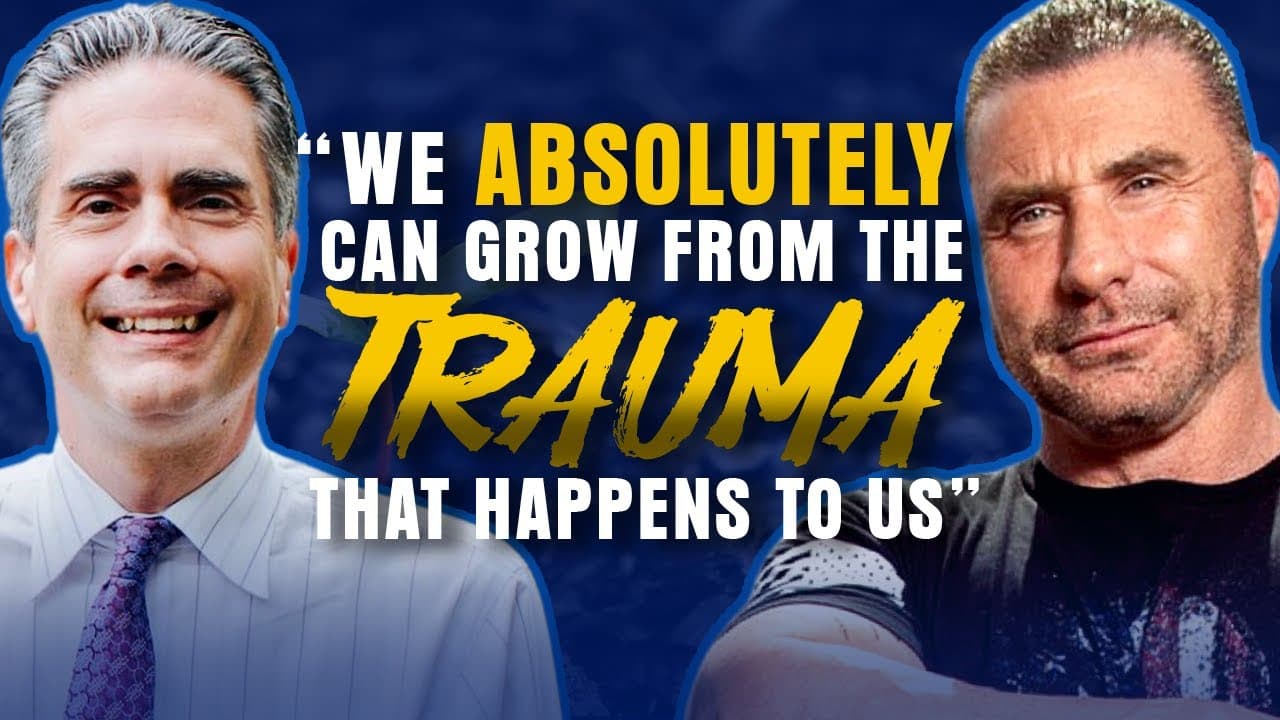
Unlock The Hidden Patterns from Your Past for a Healthier Future Feat. Dr. Paul Conti
TL;DR
Explore how hidden traumas impact mental and physical health.
Transcript
how does someone know maybe they've had trauma in their life that's unrealized how would you know that a lot of times we know but we just haven't let ourselves really think about it or let it come to the surface trauma makes in us a a reflexive response of guilt and shame it's amazing the delusions of self we can labor under if I just stop and look... Read More
Key Insights
- Hidden traumas often manifest as guilt and shame, affecting our mental health and behavior without us realizing it.
- Trauma can change brain chemistry, leading to different reactions to similar events among individuals.
- Chronic trauma can lead to long-term emotional injuries, impacting both mental and physical health.
- Generational trauma can be passed down, affecting our mental well-being and how we interact with the world.
- Compassionate curiosity is crucial for understanding ourselves and overcoming emotional pain.
- While medication can help, true healing requires addressing the root causes of emotional issues.
- Unresolved emotional issues can lead to physical health problems, showing the mind-body connection.
- Self-awareness and introspection are essential for healing and living a fulfilling life.
Install to Summarize YouTube Videos and Get Transcripts
Explore YouTube Video Summarizer or Get YouTube Transcript Extractor
Questions & Answers
Q: How can someone identify hidden trauma in their life?
Hidden trauma often manifests as guilt and shame, affecting mental health and behavior. By practicing compassionate curiosity and introspection, individuals can explore their life narratives, identifying emotional scars that might be holding them back without their awareness.
Q: What is the concept of compassionate curiosity?
Compassionate curiosity involves approaching oneself with kindness and a desire to understand. It encourages individuals to explore their thoughts and behaviors without judgment, fostering self-awareness and helping to uncover hidden emotional issues that need healing.
Q: How does generational trauma affect individuals today?
Generational trauma can alter gene expression, impacting mental well-being and behavior. The trauma experienced by ancestors can be passed down, influencing how individuals react to stress and interact with the world, often without their conscious awareness.
Q: What is the role of medication in treating trauma-related issues?
Medication can help manage symptoms of trauma-related issues, providing temporary relief. However, Dr. Conti emphasizes that true healing requires addressing the root causes of emotional pain through introspection and therapy, as medication alone cannot resolve underlying issues.
Q: Why is understanding the mind-body connection important in trauma healing?
The mind-body connection highlights how unresolved emotional issues can manifest as physical health problems. Understanding this link is crucial for holistic healing, as addressing mental health can lead to improvements in physical well-being and vice versa.
Q: How does trauma change brain chemistry?
Trauma can overwhelm coping mechanisms, altering brain chemistry and affecting how individuals process emotions and react to stress. This can lead to different responses to similar events among individuals, depending on their unique experiences and brain changes.
Q: What is the significance of self-awareness in overcoming trauma?
Self-awareness allows individuals to recognize and understand their emotional responses and behaviors. By becoming aware of hidden traumas and their impacts, individuals can work towards healing and personal growth, breaking free from past patterns that no longer serve them.
Q: How can mirror meditation aid in trauma healing?
Mirror meditation involves looking at oneself in the mirror, encouraging introspection and self-reflection. This practice can help individuals confront and understand their emotions, fostering self-awareness and aiding in the healing process by bringing hidden issues to the surface.
Summary & Key Takeaways
-
Dr. Paul Conti discusses how hidden traumas can affect mental health, often manifesting as guilt and shame. Understanding these traumas is crucial for healing.
-
Trauma can impact brain chemistry, leading to different reactions among individuals. Chronic trauma can cause long-term emotional and physical health issues.
-
Generational trauma can be passed down, influencing our mental well-being. Compassionate curiosity is key to understanding and overcoming emotional pain.
Read in Other Languages (beta)
Share This Summary 📚
Summarize YouTube Videos and Get Video Transcripts with 1-Click
Try YouTube Summary with ChatGPT & Claude or YouTube Transcript Generator
Explore More Summaries from Ed Mylett 📚






Summarize YouTube Videos and Get Video Transcripts with 1-Click
Try YouTube Summary with ChatGPT & Claude or YouTube Transcript Generator