Beyond Fake News: Confronting Lethal Misinformation on Social Media Platforms
TL;DR
Misinformation and disinformation continue to pose significant global challenges, especially during crises like coronavirus.
Transcript
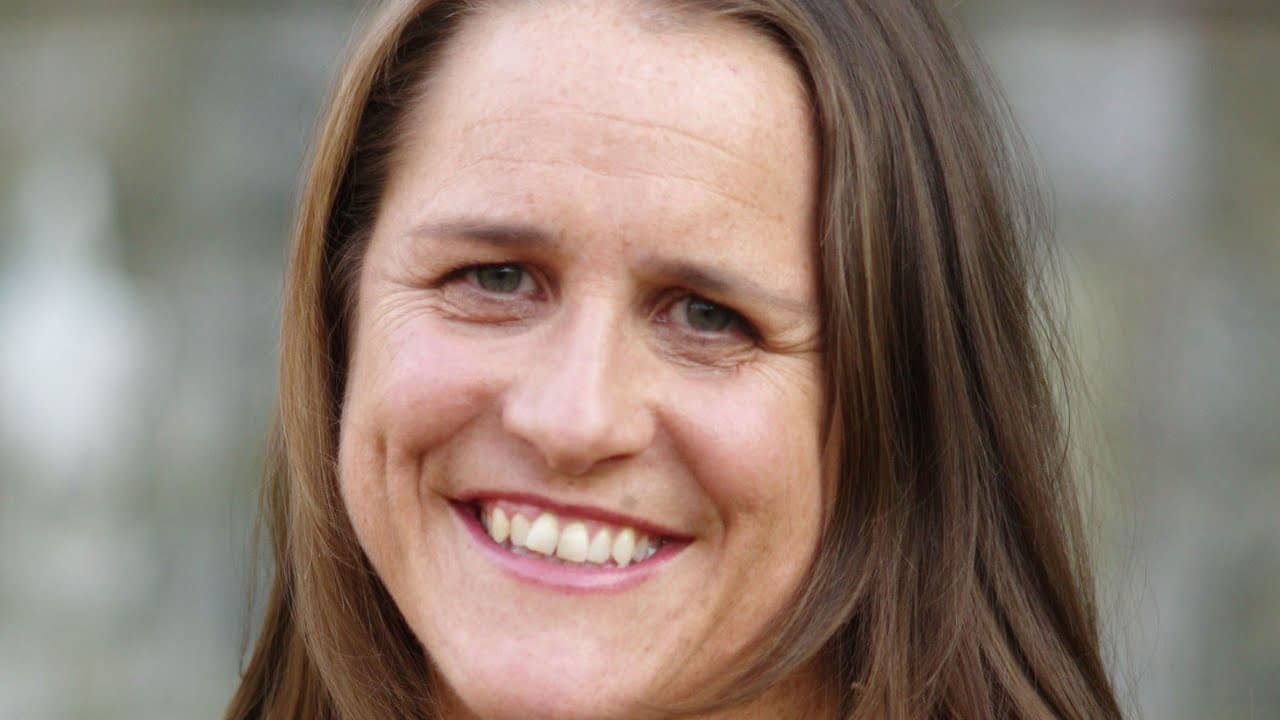
whether it was the bushfires in australia whether it was the downing of the plane in iran whether it's about the impeachment crisis whether it's coronavirus almost every story now has an element of miss or disinformation connected to it that's claire wardle the co-founder and u.s director of first draft a non-profit that trains journalists how to c... Read More
Key Insights
- 😨 Misinformation manifests in various ways, often leveraging emotional appeals and fears, making it crucial for individuals to understand these layers.
- 🙈 Collaborative efforts among newsrooms can enhance the credibility of information correction, as seen in projects like Crosscheck during elections in France.
- 💁 Social media platforms must recognize the ethical responsibilities associated with their influence on information dissemination, prioritizing societal well-being over engagement metrics.
- 🍉 The psychological impact of misinformation is significant; incorrect framing can result in long-term belief entrenchment, complicating the correction process later on.
- 🥶 Engagement in media literacy programs is essential not only for young users but also for older demographics, acknowledging the need for universal understanding of misinformation.
- ⛑️ Adding context through visual cues or labels can help audiences discern the reliability of shared content, improving critical engagement.
- 🫷 The discourse around misinformation must evolve to include audience responsibilities, pushing for a culture of accountability in digital sharing practices.
Install to Summarize YouTube Videos and Get Transcripts
Explore YouTube Video Summarizer or Get YouTube Transcript Extractor
Questions & Answers
Q: What are the seven types of misinformation identified by Claire Wardle?
Claire Wardle identifies seven types of misinformation: satire, false connection, misleading content, false context, imposter content, manipulated content, and fabricated content. Each type plays a role in confusing audiences and blends truths with lies, showcasing the complex landscape of modern information warfare.
Q: How has the discourse around misinformation changed in America since 2016?
The discourse in the U.S. has remained largely stagnant, still fixated on the term "fake news" from 2016, while new and more nuanced types of misinformation have emerged globally, indicating a lack of awareness and urgency about the evolving challenges faced by journalists worldwide.
Q: What role do individuals play in the spread of misinformation?
Individuals contribute significantly to the spread of misinformation by sharing content without verifying its accuracy. Claire emphasizes the need for users to take responsibility for what they share and suggests that society must foster discussions that encourage critical examination of information before dissemination.
Q: What strategies can be employed to effectively combat misinformation?
Effective strategies include enhancing media literacy, creating a common language to discuss misinformation, and implementing friction in the information-sharing process. These methods would encourage users to critically evaluate content before sharing and help create an informed audience.
Summary & Key Takeaways
-
Claire Wardle discusses the evolving landscape of misinformation, emphasizing various forms like false context and imposter content that mislead audiences without being outright false.
-
The conversation stresses the importance of media literacy, collaborative efforts among news organizations, and the role of technology platforms in managing and combating misinformation effectively.
-
The urgent need for a shift in societal attitudes towards responsibility for sharing information is highlighted, advocating for a culture of critical feeling alongside existing critical thinking approaches.
Read in Other Languages (beta)
Share This Summary 📚
Summarize YouTube Videos and Get Video Transcripts with 1-Click
Try YouTube Summary with ChatGPT & Claude or YouTube Transcript Generator
Explore More Summaries from Center for Humane Technology 📚
Summarize YouTube Videos and Get Video Transcripts with 1-Click
Try YouTube Summary with ChatGPT & Claude or YouTube Transcript Generator