How Will Self-Driving Cars Reshape Finance?
TL;DR
Self-driving electric fleets could redirect money away from personal insurance, auto loans, used-car sales, and traditional rentals. Safer algorithms may reduce accidents and premiums, while fleet operators could buy vehicles, purchase business insurance, or self-insure. Retired vehicle batteries may also gain value through raw-material recycling or reuse as utility storage.
Transcript
We might be at the beginning of a very rapid transition away from driving our own cars that burn gas to a world in which we're driven around by algorithms, self-driving cars powered by electricity. What's gonna happen as we make this transition is giant pools of money that used to go from one place to another will shift hands. Pools like insurance,... Read More
Key Insights
- Autonomous transportation is expected to redirect large financial flows because consumers may stop owning, financing, insuring, renting, and reselling personal vehicles as rides become available from self-driving electric fleets.
- Auto insurance premiums have risen partly because vehicles are becoming more expensive as manufacturers add sophisticated features, while cars can still cause severe damage and fatalities when operated carelessly by humans.
- Recent increases in traffic fatalities are attributed in the cited official statistics to familiar causes such as failing to use seat belts, speeding, and driving under the influence, rather than a rising share of smartphone-related distraction.
- Self-driving cars are expected to improve safety because their algorithms can be programmed conservatively, and successful software improvements can reach an entire fleet faster than safer practices spread among individual human drivers.
- Personal auto insurance could become commercial fleet insurance as responsibility shifts from individual consumers to fleet operators, changing the insurance market from a consumer-focused business into a business-focused one.
- Large fleet operators may choose to self-insure by retaining money that otherwise would have gone to an insurance carrier and using that internal pool to pay claims arising within their own fleets.
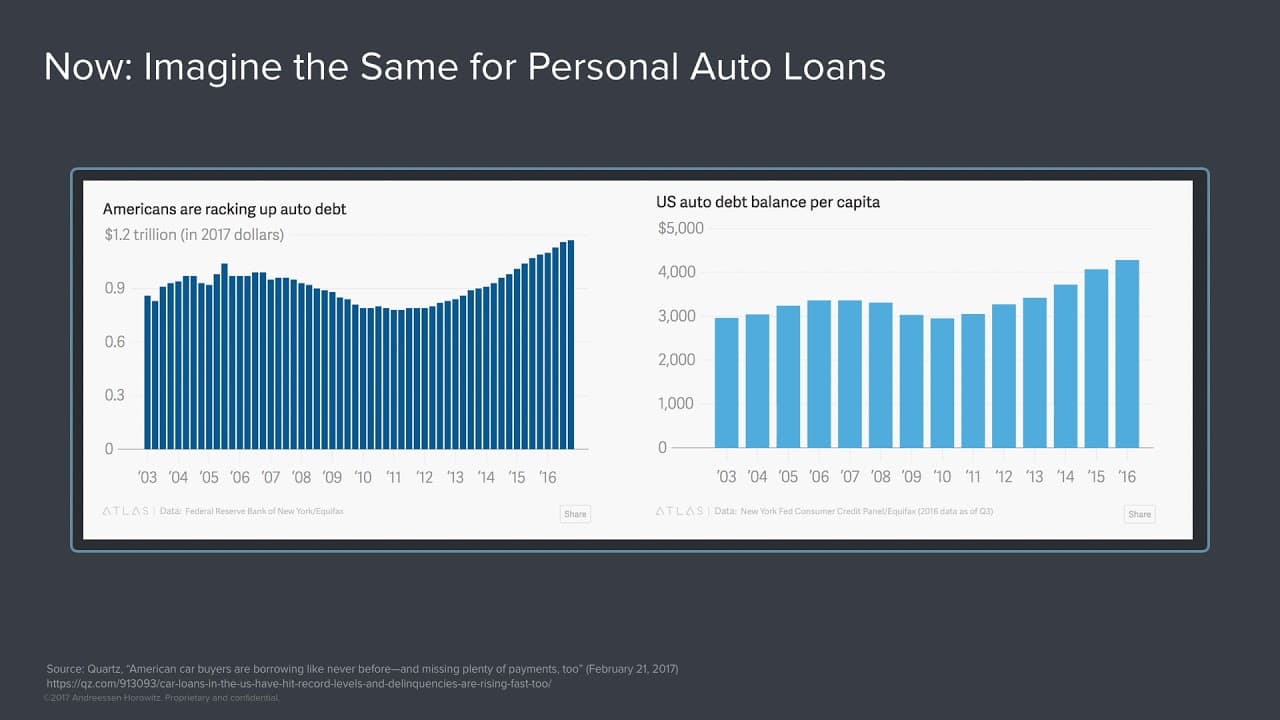
- Auto loans could become less relevant to households because people who no longer buy personal cars would not need personal vehicle financing, while fleet or leasing operators could purchase and depreciate vehicles directly.
- Used-car sales, traditional rentals, and related advertising could contract as personal ownership declines, while vehicle batteries might be recycled for raw materials or repurposed as utility-grade storage for wind and solar power.
Install to Summarize YouTube Videos and Get Transcripts
Explore YouTube Video Summarizer or Get YouTube Transcript Extractor
Questions & Answers
Q: How could self-driving cars change auto insurance?
Self-driving cars could reduce both the size and structure of the auto insurance market. Safer algorithms are expected to prevent many serious accidents, which should lower claims and premiums. Coverage could also shift from individual drivers to fleet operators. If large fleets retain enough money to pay their own claims, they may self-insure and bypass conventional insurance carriers.
Q: Why are self-driving cars expected to be safer than human drivers?
Self-driving cars are expected to be safer because they can be programmed to operate conservatively and consistently. When engineers improve a driving algorithm, the new behavior can spread across an entire fleet much faster than safer habits spread among human drivers. This combination of cautious programming and rapid fleet-wide improvement could prevent most accidents associated with advanced autonomous vehicles.
Q: What factors are increasing auto insurance premiums?
Auto insurance premiums are rising partly because vehicles are becoming more expensive as increasingly sophisticated features are added. Cars also remain capable of causing severe property damage, injuries, and deaths, especially when operated carelessly. These risks increase the potential cost of claims, even though traffic fatalities relative to vehicle miles had generally been falling before a recent increase.
Q: What is causing the recent increase in traffic fatalities?
The official statistics cited in the discussion attribute the recent increase primarily to established risk factors rather than smartphones. Those factors include not using seat belts, speeding, and driving under the influence. Distraction associated with smartphones was reportedly falling as a share of the problem, although the discussion acknowledges that listeners might question the figures or suspect limitations in data collection.
Q: How could autonomous fleets affect personal auto loans?
Personal auto loans could decline if consumers stop buying their own vehicles and instead purchase rides from autonomous fleets. Without a personal car purchase, a household would not need a vehicle loan. Financing and ownership could shift toward fleet or leasing operators, which might buy vehicles in bulk, hold them as business assets, and depreciate them over time.
Q: Why could the used-car market shrink under autonomous transportation?
The used-car market depends on individuals buying vehicles and later selling them to other owners. If autonomous fleets reduce the need for personal vehicle ownership, fewer consumers would participate in that cycle. Services that provide pricing information for buyers and sellers could also lose relevance because fleet operators, rather than individual households, would control more vehicle purchases and disposals.
Q: What could happen to batteries from retired autonomous electric cars?
Retired lithium-ion batteries could follow at least two paths described in the discussion. Their metals and other raw materials could be recovered through recycling and used elsewhere. Alternatively, the batteries could be placed into a different form factor and reused as utility-grade storage, holding electricity generated by wind and solar until that energy is needed.
Q: How could self-driving fleets affect rentals and advertising?
Traditional car rentals, such as collecting a vehicle at an airport and returning it after a trip, could disappear as autonomous fleets provide rides on demand. Advertising would also change because consumers might no longer need promotions for personal auto loans, new or used vehicle sales, or individual insurance. Advertising itself would remain, but different products and services would receive the spending.
Summary & Key Takeaways
-
Autonomous vehicles could transform auto insurance by reducing accidents and transferring coverage from individuals to fleet operators. Because driving algorithms can be programmed conservatively and improved across an entire fleet, premiums may shrink. Large operators might eventually self-insure, potentially leaving conventional insurers with far less demand for their products.
-
Personal auto lending may contract if consumers stop purchasing vehicles and instead obtain rides from autonomous fleets. Financing activity could move toward fleet or leasing operators that acquire and depreciate vehicles themselves. The central financial change is therefore not just reduced borrowing, but a transfer of purchasing and financing responsibility from households to businesses.
-
Used-car sales, traditional airport rentals, and related advertising could decline sharply if personal vehicle ownership becomes less common. Meanwhile, retired electric-vehicle batteries could create new value through raw-material recovery or conversion into utility-grade storage. These shifts show how autonomy may reshape markets well beyond vehicle manufacturing and transportation services.
Read in Other Languages (beta)
Share This Summary 📚
Summarize YouTube Videos and Get Video Transcripts with 1-Click
Try YouTube Summary with ChatGPT & Claude or YouTube Transcript Generator
Explore More Summaries from a16z 📚




Summarize YouTube Videos and Get Video Transcripts with 1-Click
Try YouTube Summary with ChatGPT & Claude or YouTube Transcript Generator