How Did Aaron Paul’s Rustic Retreat Come to Life?
TL;DR
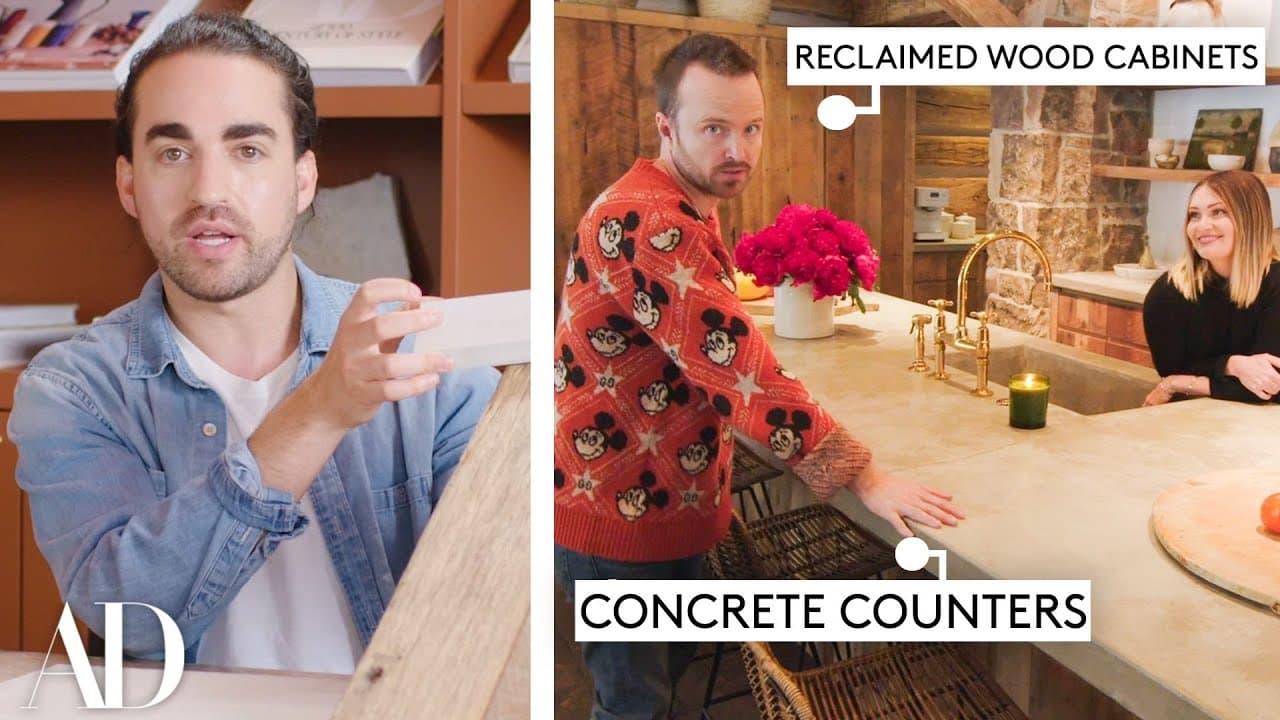
Aaron Paul’s rustic getaway embraces warmth and timelessness through a refined design process. Interior designer Jake Arnold incorporates reclaimed wood and European influences, creating a cozy atmosphere that feels like home while avoiding the typical heaviness of American rustic style.
Transcript
i'm aaron paul hi i'm jake arnold i'm the interior designer for aaron and lauren paul's rustic getaway in idaho so i think aaron's vision initially was he wanted something that had character age and was almost like an escape and he wanted it to feel like being there a hundred years was so warm comfortable cozy we wanted it to just feel like it's be... Read More
Key Insights
- 👪 Rustic American homes tend to be heavy and overdone, while European rustic homes allow for more editing and refinement.
- 👾 Reclaimed wood can add character and a sense of history to a space, creating a timeless atmosphere.
- 🌲 Incorporating natural elements, such as wood and stone, can help bring the outside in and create a cohesive design.
- 🤗 Balancing materials and tonalities in an open-plan space is crucial for achieving a harmonious and functional design.
- 😒 The use of unique and unexpected design choices, such as a glass-enclosed toilet or a combination of vintage and contemporary elements, can add intrigue and personality to a space.
- 🤗 Creating distinct spaces within an open-plan layout can be achieved through strategic placement of furniture and thoughtful design elements.
- 👾 Drapery can add a sense of romance and whimsy to rustic spaces, softening the overall aesthetic.
Install to Summarize YouTube Videos and Get Transcripts
Explore YouTube Video Summarizer or Get YouTube Transcript Extractor
Questions & Answers
Q: How did Jake Arnold approach the challenge of creating a rustic home with a more stripped-back and usable aesthetic?
Jake Arnold drew inspiration from European castles and getaways, focusing on editing and incorporating refined elements. He aimed to strike a balance between rustic and minimal, avoiding the heaviness often associated with American rustic homes.
Q: What materials were used to create the cozy and timeless feel of the home?
Reclaimed wood from old barns in Wisconsin played a significant role in creating the desired rustic and aged look. Additionally, hand-done plaster walls added a touch of craftsmanship and sophistication. The use of Montana moss rock and a combination of various materials such as stone, wood, and concrete helped achieve a warm and cozy atmosphere.
Q: How did Jake Arnold bring the outside in and make the house feel architecturally cohesive?
Arnold aimed to complement the exterior rather than create an interior escape. He incorporated double-height windows to connect the interior with the surrounding landscape. Additionally, the choice of materials, such as wood and stone, blended seamlessly with the natural surroundings, creating a cohesive and architectural feel.
Q: How did the design approach differ between the main living spaces and the Raven's Den?
The main living spaces aimed to create a warm and comfortable family-friendly atmosphere, while the Raven's Den had a more moody and dramatic vibe inspired by 1920s speakeasies. Different cabinetry styles, textiles, colors, and lighting were used to establish a distinct and refined aesthetic in the Raven's Den.
Summary & Key Takeaways
-
Aaron Paul wanted a rustic home with character and age, but interior designer Jake Arnold aimed to create a more stripped-back and usable aesthetic.
-
The design drew inspiration from European castles and getaways, with a focus on editing and refined elements.
-
The use of reclaimed wood from old barns in Wisconsin and a combination of rustic and hand-done plaster walls helped achieve the desired timeless and cozy feel.
Read in Other Languages (beta)
Share This Summary 📚
Summarize YouTube Videos and Get Video Transcripts with 1-Click
Try YouTube Summary with ChatGPT & Claude or YouTube Transcript Generator
Explore More Summaries from Architectural Digest 📚


Summarize YouTube Videos and Get Video Transcripts with 1-Click
Try YouTube Summary with ChatGPT & Claude or YouTube Transcript Generator