What Is Cannibalism and How Is It Natural?
TL;DR
Cannibalism is a natural survival mechanism observed in many species, including humans, serving various evolutionary purposes. Bill Schutt's book challenges societal taboos by presenting historical and scientific anecdotes, exploring how cannibalism has been practiced for survival, medicinal uses, and even ritualistic reasons throughout history.
Transcript
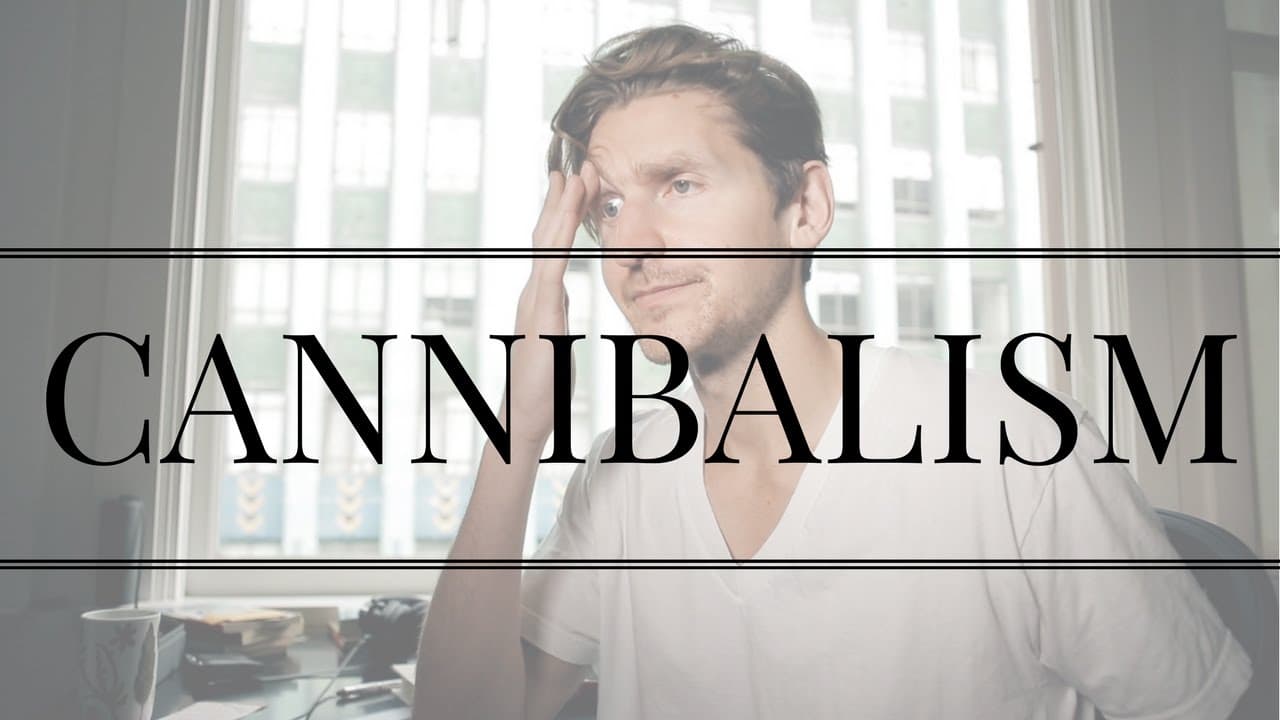
shiny super shiny you can powder mega everything you wanted to know and plenty you didn't know that you never wanted to know and now we'll be unable to forget can be found in bill Shutts cannibalism a perfectly natural history good morning everybody welcome to better than food book reviews I'm back on the coffee welcome to the new setup it's actual... Read More
Key Insights
- 🛟 Cannibalism is a natural survival mechanism present in numerous species, serving as an evolutionary strategy.
- ❓ Schutt explores the historical context of cannibalism, steering clear of sensationalism and focusing on scientific and anecdotal evidence.
- 🎁 The book challenges societal taboos by presenting cannibalism as a natural phenomenon observed in various organisms for distinct purposes.
- 😒 Schutt also addresses the moral and ethical implications of cannibalism, discussing cultural perceptions and the historical use of human body parts for medicinal practices.
- 📔 Differentiating between natural cannibalism in animals and the taboo nature of human cannibalism, the book offers a nuanced exploration of this controversial topic.
- 😅 From in utero cannibalism in sand tiger sharks to placenta eating in humans, Schutt examines the diverse manifestations of cannibalism across species.
- 🙂 Schutt highlights the role of cannibalism in rituals and medicinal practices throughout history, shedding light on the complex relationship between biology and culture.
Install to Summarize YouTube Videos and Get Transcripts
Explore YouTube Video Summarizer or Get YouTube Transcript Extractor
Questions & Answers
Q: What is the main thesis of Bill Schutt's book "Cannibalism: A Perfectly Natural History"?
The main thesis of the book is to showcase cannibalism as a natural phenomenon in the animal kingdom, examining its evolutionary and survival aspects without glorifying human acts of cannibalism.
Q: How does Schutt address the distinction between cannibalism in nature and human cannibalism?
Schutt differentiates between natural cannibalistic behaviors needed for survival in certain species and the taboo nature of human cannibalism, exploring the historical context and perceptions surrounding the practice.
Q: What are some examples of species that exhibit cannibalistic behaviors?
Species like sand tiger sharks, spiders, and some mammals, such as lions and polar bears, display cannibalistic tendencies as part of their survival instincts or reproductive strategies.
Q: How does Schutt address the societal stigmas and taboos associated with cannibalism?
Schutt discusses how cannibalism is viewed through the lens of culture and religion, examining historical instances of medicinal cannibalism and addressing the ethical and moral implications of the practice.
Summary & Key Takeaways
-
Bill Schutt delves into the natural occurrence of cannibalism in various species as a survival mechanism.
-
He discusses historical and scientific anecdotes, avoiding sensationalizing topics like serial killers.
-
The book explores the evolution of cannibalism and its role in nature, challenging societal taboos.
Read in Other Languages (beta)
Share This Summary 📚
Summarize YouTube Videos and Get Video Transcripts with 1-Click
Try YouTube Summary with ChatGPT & Claude or YouTube Transcript Generator
Explore More Summaries from Better Than Food 📚



Summarize YouTube Videos and Get Video Transcripts with 1-Click
Try YouTube Summary with ChatGPT & Claude or YouTube Transcript Generator