How to build cold email outreach that works for B2B leads
TL;DR
The video shows how to craft buyer and seller personas, verify data, warm domains, and use the right tools for effective cold email campaigns. It covers budgeting, domain rotation, warm-up routines, data verification, and compliance to improve reply rates and meetings.
Transcript
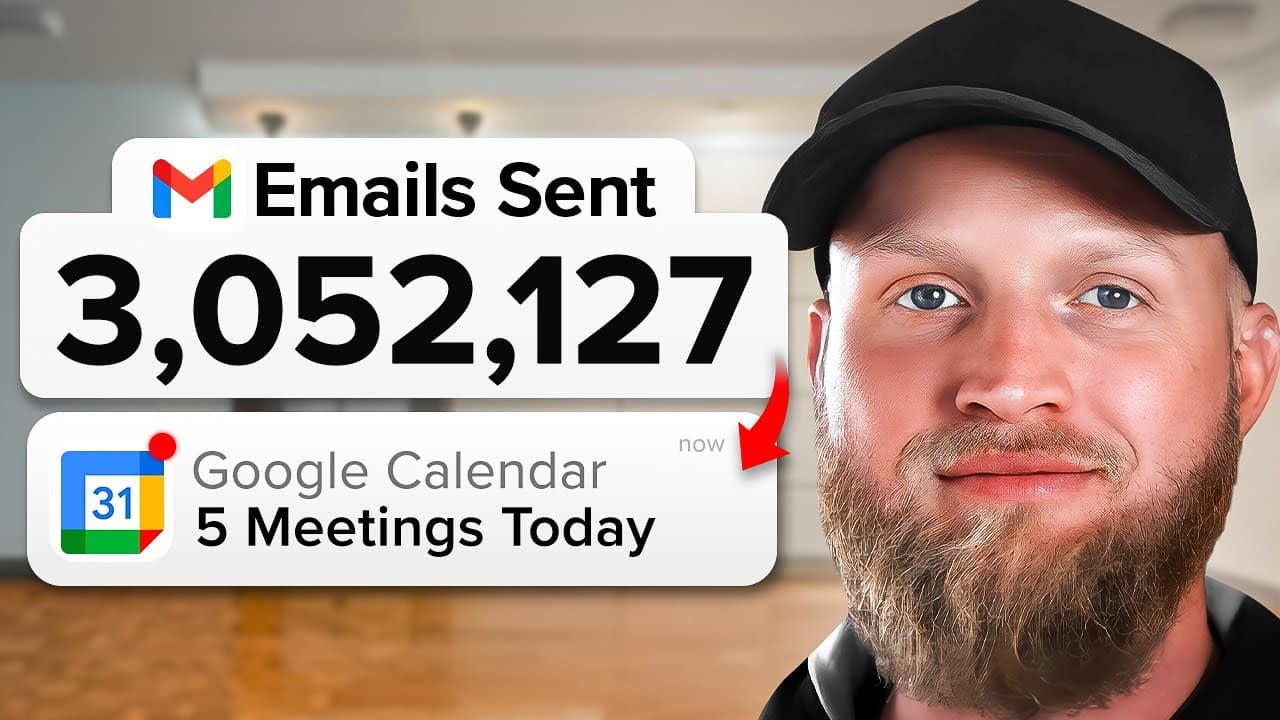
I've sent over 3 million cold emails over the past 8 years and this video is a culmination of my years of knowledge around cold email and sales I want us to start off with the buyer and seller Persona it helps you tailor your Outreach your methodology because you understand who the person is that you're reaching out to and if you don't then that's ... Read More
Key Insights
- Buyer and seller personas must be defined to tailor outreach and increase engagement.
- Check if the target actually checks email before investing in outreach to avoid wasted effort.
- Use multiple domains to protect core business from domain blacklisting.
- Warm up domains before sending campaigns to establish a positive reputation.
- Format email accounts to reflect the domain in use, not generic addresses.
- DNS records (SPF, DKIM, DMARC) are essential for deliverability and should be configured.
- Data quality matters: age and accuracy of email lists affect success, verify frequently.
- Compliance with anti-spam and data protection laws is necessary to avoid penalties.
Install to Summarize YouTube Videos and Get Transcripts
Explore YouTube Video Summarizer or Get YouTube Transcript Extractor
Questions & Answers
Q: What is the first step to successful cold email outreach according to the video?
The first step is to define both the buyer persona and the seller persona. This includes job title, responsibilities, industry, demographics, aspirations, pain points, and the company’s sales cycle. Understanding who you are emailing helps tailor your messaging and increases reply rates and meetings.
Q: Why should you consider whether the recipient checks their email?
Knowing whether the target actually checks email helps avoid wasted effort and misdirected campaigns. If the person is part of a large organization and忙, you may need to adjust targeting and messaging to improve relevance and likelihood of a reply, which directly impacts engagement.
Q: How many domains are suggested and why?
The recommendation is to use multiple domains, typically three to five emails per domain. This approach protects the core business if a domain is burned or blacklisted and allows continued outreach without interrupting main operations.
Q: What is the purpose of warming up domains and how long should it take?
Warming up domains demonstrates positive sending and receiving activity to improve reputation. The video notes a range of four to six weeks for warming up before starting campaigns, though the exact duration may vary based on results and comfort level.
Q: What DNS records should be configured for deliverability and why?
SPF, DKIM, and DMARC records should be configured to verify email authenticity and alignment with domains. Proper DNS setup improves deliverability, reduces bounces, and helps avoid spam filters, enabling higher chances that cold emails reach recipients.
Q: How should email accounts be formatted to reflect the domain being used?
Email accounts should be formatted to attach the domain to the end of the user name, such as [email protected], rather than using generic addresses like [email protected]. This improves credibility and deliverability for campaigns sent from company domains.
Q: What role does data quality play in cold email campaigns?
Data quality is crucial because older data can reduce response rates and increase bounce risks. Verifying emails and using up-to-date databases helps lower bounce rates and spam traps, leading to better deliverability and engagement.
Q: What legal considerations are mentioned for cold emailing?
The video highlights the importance of GDPR and anti-spam regulations and the need to stay compliant. This includes understanding restrictions for different regions, managing consent where required, and avoiding practices that could lead to blacklists or penalties.
Q: What tools are recommended for lead generation and verification?
Tools mentioned include instantly for CRM and outreach, as well as verification tools to check deliverability and reduce bounces. Additionally, AI assistance like chatbots can help refine buyer and seller personas, and databases can be built using platforms like instantly lead finder.
Summary & Key Takeaways
-
The speaker emphasizes defining buyer and seller personas to tailor outreach and improve results, noting that understanding the target helps increase reply rates and meetings. He advises validating whether the recipient actually checks email and adjusting targeting accordingly.
-
A key step is building and warming multiple domains to avoid blacklisting. The process includes choosing an email provider, formatting addresses, and managing DNS records (SPF, DKIM, DMARC) for deliverability.
-
The guide covers data sourcing and verification, emphasizing database age and cleanliness, and recommends tools and strategies for lead generation, email verification, and compliance with anti-spam laws.
Read in Other Languages (beta)
Share This Summary 📚
Summarize YouTube Videos and Get Video Transcripts with 1-Click
Try YouTube Summary with ChatGPT & Claude or YouTube Transcript Generator
Explore More Summaries from Instantly 📚
Summarize YouTube Videos and Get Video Transcripts with 1-Click
Try YouTube Summary with ChatGPT & Claude or YouTube Transcript Generator