What Do Investors Seek in Entrepreneurs?
TL;DR
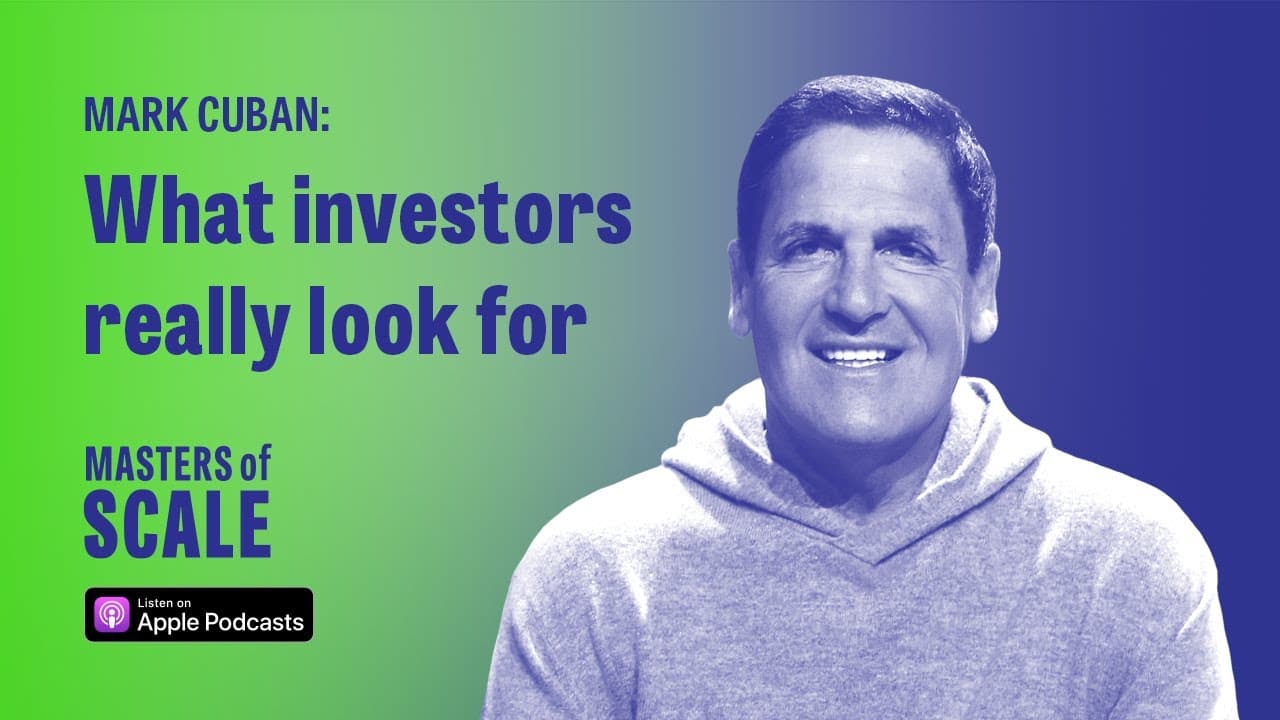
Investors prioritize qualities like hunger, speed, and humility in entrepreneurs. These traits suggest a founder's willingness to learn, adapt, and persevere. Mark Cuban emphasizes that while securing investment can propel growth, it comes with obligations and potential pitfalls. Founders must align their vision with investors who share their goals and values.
Transcript
we're about to start our episode with mark cuban quintessential entrepreneur and investor made famous by his role on tv shark tank and that's where we're going to start the show by hearing from one of the entrepreneurs brave enough to put themselves at the mercy of mark and the other sharks it's like you are about to go out on the floor to play you... Read More
Key Insights
- Investors prioritize hunger, speed, and humility in founders, as these traits indicate a willingness to learn and adapt.
- Mark Cuban's early entrepreneurial ventures taught him the importance of seizing opportunities quickly and creatively.
- A founder's ego can be beneficial if it serves the mission, but detrimental if it hinders risk-taking and learning.
- Raising money is an obligation, not an accomplishment, and founders must understand the strings attached to investments.
- Empathy for investors' perspectives can help founders align their business goals with investors' expectations.
- Founders should be brutally honest about their weaknesses and potential threats to their business to attract the right investors.
- Investors look for entrepreneurs who can pivot and iterate on their ideas, showing resilience and adaptability.
- The right investor can act as a partner, providing not just capital but also strategic guidance and support.
Install to Summarize YouTube Videos and Get Transcripts
Explore YouTube Video Summarizer or Get YouTube Transcript Extractor
Questions & Answers
Q: What qualities do investors look for in entrepreneurs?
Investors often seek qualities such as hunger, speed, and humility in entrepreneurs. These traits suggest a founder's willingness to learn, adapt, and persevere through challenges. A founder who embodies these qualities is more likely to be resilient, open to feedback, and capable of pivoting when necessary, which are crucial for long-term success and attracting investment.
Q: Why is raising capital considered an obligation?
Raising capital is considered an obligation because it comes with a responsibility to deliver on the promises made to investors. It is not an end goal but a means to accelerate growth, which requires accountability and strategic alignment with investors' expectations. Founders must understand that investment brings both opportunities and obligations, and they must be prepared to manage these effectively.
Q: How can empathy for investors benefit entrepreneurs?
Empathy for investors can benefit entrepreneurs by helping them better understand investors' motivations and expectations. This understanding can lead to more effective communication and collaboration, aligning business goals with investors' interests. By appreciating what investors seek in a partnership, entrepreneurs can tailor their pitches and strategies to attract and retain supportive financial partners.
Q: What role does humility play in attracting investment?
Humility plays a crucial role in attracting investment as it indicates a founder's openness to learning and willingness to seek mentorship. Investors are drawn to entrepreneurs who recognize their limitations and actively seek advice to overcome challenges. Humility also fosters a collaborative spirit, which is essential for building strong relationships with investors and adapting to market changes.
Q: Why is it important for founders to assess potential investors?
It is important for founders to assess potential investors to ensure alignment of values, goals, and expectations. The right investor can provide more than just capital; they can offer strategic guidance and support. By understanding an investor's track record, expertise, and approach, founders can choose partners who will contribute positively to their business's growth and success.
Q: How can founders prepare for investor meetings?
Founders can prepare for investor meetings by being brutally honest about their business's strengths and weaknesses. They should research potential investors to understand their interests and past investments. Crafting a clear, compelling narrative about the business's potential and how investment will drive growth is crucial. Founders should also be ready to discuss how they plan to address potential risks and challenges.
Q: What is the significance of understanding failed companies?
Understanding failed companies is significant because it provides valuable lessons on what can go wrong in a business. Analyzing failures helps entrepreneurs identify potential pitfalls and develop strategies to avoid them. This knowledge can inform better decision-making and risk management, increasing the likelihood of success in their own ventures by learning from others' mistakes.
Q: How can founders demonstrate resilience to investors?
Founders can demonstrate resilience to investors by showcasing their ability to pivot and iterate on their ideas in response to challenges. Sharing stories of past failures and how they overcame them can illustrate their problem-solving skills and determination. Resilient founders are seen as more likely to navigate the ups and downs of the business world, making them attractive investment opportunities.
Summary & Key Takeaways
-
Investors look for qualities like hunger, speed, and humility in entrepreneurs, as these traits suggest a willingness to learn and adapt. Mark Cuban shares insights on how these qualities have shaped his own entrepreneurial journey and investment decisions. He emphasizes that securing investment can be a double-edged sword, offering growth potential but also bringing obligations and risks.
-
Mark Cuban's early experiences, from selling newspapers to founding tech companies, highlight the importance of quick thinking and adaptability in entrepreneurship. He advises founders to understand their weaknesses and align with investors who can help address those gaps. Cuban also stresses that raising capital is a responsibility, not a success in itself.
-
Empathy for investors' perspectives can enhance a founder's ability to align their business goals with those of their financial partners. Cuban highlights the need for entrepreneurs to be honest about their business's potential threats and to seek investors who can provide more than just capital. The right investor can offer strategic guidance and support, acting as a true partner in the business's growth.
Read in Other Languages (beta)
Share This Summary 📚
Summarize YouTube Videos and Get Video Transcripts with 1-Click
Try YouTube Summary with ChatGPT & Claude or YouTube Transcript Generator