Why Are My Habits Holding Me Back from Growth?

TL;DR
Rigid adherence to habits can hinder personal growth; instead, recognize that habits are fluid and can change over time. Embrace the natural process of building and breaking habits, allowing them to evolve with your personal development without judgment or attachment.
Transcript
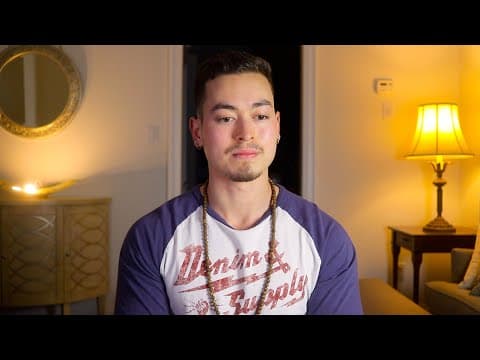
all right you see what is going on how are you guys doing welcome back to another video on the david ham and youtube channel so in this talk i guess we're gonna call these this is raw chat or a little raw talks we're speaking of i believe my title did why your habits are okay now if you guys took the last video i will link that up there that spoke ... Read More
Key Insights
- 🏛️ Each individual's journey involves continuous cycles of building and breaking habits, reflecting the nature of personal growth.
- 👻 Attachment to specific habits can be detrimental; flexibility allows for a healthier relationship with personal development.
- 🤳 Consistent self-reflection is essential to ensure that current habits are genuinely serving one's aspirations and well-being.
- 😨 It’s important to approach changes in habits without fear of judgment, embracing the lessons learned through trial and error.
- ❓ Growth occurs more naturally when resisting the pressure to conform to rigid behaviors or practices deemed "correct" by societal standards.
- 👻 Allowing habits to "choose" you suggests being receptive to what feels authentic and beneficial rather than forcing adherence to outdated routines.
- 🤳 The speaker underscores the importance of self-compassion in responding to setbacks in maintaining habits.
Install to Summarize YouTube Videos and Get Transcripts
Explore YouTube Video Summarizer or Get YouTube Transcript Extractor
Questions & Answers
Q: Why is it dangerous to view habits as strictly good or bad?
Viewing habits in a binary manner can lead to unhealthy self-judgment. When individuals consider themselves 'good' for following habits and 'bad' for not, it sets them up for disappointment when they inevitably stray. Life isn't about rigid classifications but embracing the ebb and flow of personal growth.
Q: How can we approach our habits without becoming dogmatic?
Instead of clinging to habits, we should cultivate an adaptable mindset. Recognizing that our needs and circumstances change allows us to evolve our habits in a way that serves us better, rather than holding ourselves accountable to outdated practices.
Q: What does the speaker suggest regarding failing to maintain habits?
The speaker reassures that failing to maintain habits is a natural part of the growth process. Instead of feeling guilty or discouraged, individuals should view failures as opportunities to learn and pivot to new habits that might suit them better at different stages in life.
Q: Can you give examples of how habits might change over time?
Habits can transform as life circumstances change. For instance, someone who enjoys running might shift to weightlifting due to physical limitations or a newfound passion. Similarly, dietary preferences can evolve as individuals explore new lifestyles, reflecting personal health goals or ethical considerations.
Summary & Key Takeaways
-
The speaker emphasizes the importance of recognizing that habits are not fixed but fluid, and they can change over time as we evolve personally and psychologically.
-
Holding strictly to specific habits can hinder personal development; instead, individuals should allow their habits to grow and change organically.
-
The message encourages viewers to let go of dogmatic approaches to habits and embrace the natural process of building and breaking habits throughout life.
Read in Other Languages (beta)
Share This Summary 📚
Summarize YouTube Videos and Get Video Transcripts with 1-Click
Try YouTube Summary with ChatGPT & Claude or YouTube Transcript Generator
Explore More Summaries from davidhammond 📚



Summarize YouTube Videos and Get Video Transcripts with 1-Click
Try YouTube Summary with ChatGPT & Claude or YouTube Transcript Generator