What Is Good Art? : Crash Course Art History #6
TL;DR
Art's value is influenced by culture, history, and personal perception.
Transcript
What makes an artwork good? Like, how come Rosa Bonheur’s horse painting made it into The Metropolitan Museum of Art, but not the artwork I made in the third grade that my teacher called “A great report, Sarah”? That special something that makes art “valuable” can be pretty hard to pin down. It can shift based on who’s viewing it, their culture... Read More
Key Insights
- Art's value is not solely determined by monetary worth but by cultural, historical, and emotional factors.
- Aesthetics, or the study of beauty, plays a crucial role in determining what is considered 'good' art.
- Art can be valued for its innovation or ability to present new perspectives, as seen in Dorothea Lange's photography.
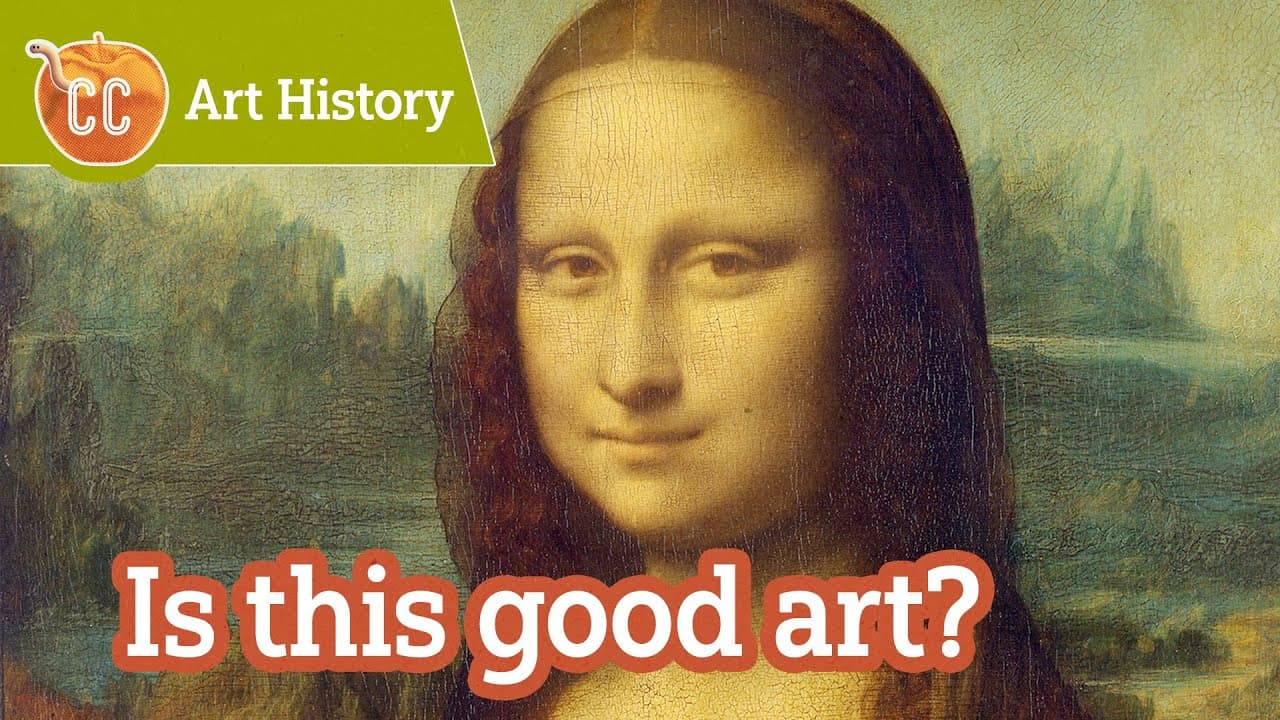
- The lore surrounding an artwork, such as the Mona Lisa's theft, can significantly enhance its perceived value.
- Art criticism has historically influenced which artworks are valued, often based on moral or philosophical messages.
- Clement Greenberg's influence in the 20th century shifted art value towards pieces that broke from tradition.
- Museums and private collections play a significant role in shaping public perception of what constitutes valuable art.
- Art's value can be subjective, reflecting more about the viewer's cultural and social context than the artwork itself.
Install to Summarize YouTube Videos and Get Transcripts
Explore YouTube Video Summarizer or Get YouTube Transcript Extractor
Questions & Answers
Q: How does culture influence the perception of art's value?
Culture influences art's value by shaping the standards and trends that define what is considered beautiful or significant. These cultural norms are not static; they evolve over time, affecting the perception of art. For example, an artwork that was once overlooked may gain value as cultural perspectives shift, as seen with the changing views on abstract art in the 20th century.
Q: What role does art criticism play in determining art's value?
Art criticism plays a pivotal role in determining art's value by establishing standards and criteria for what is considered 'good' art. Critics influence public perception and the art market by promoting certain styles or messages. Historically, critics have favored art with moral or philosophical messages, but this has evolved, allowing for more diverse interpretations of value in art.
Q: Why is the Mona Lisa considered valuable despite its small size?
The Mona Lisa's value transcends its physical dimensions due to the lore surrounding it, particularly its theft in 1911, which captured global attention and elevated its status. This incident, combined with its enigmatic expression and association with Leonardo da Vinci, has cemented its reputation as one of the world's most famous and valuable artworks, despite its modest size.
Q: How does innovation contribute to an artwork's value?
Innovation contributes to an artwork's value by offering new perspectives or breaking from traditional forms. Art that challenges norms or introduces novel ideas can be highly valued for its originality and impact on the art world. For instance, Clement Greenberg valued abstract art for its departure from representation, which he saw as pushing artistic boundaries and redefining what art could be.
Q: What is the impact of museums on the perception of art's value?
Museums significantly impact the perception of art's value by curating collections that reflect certain tastes and historical narratives. These institutions shape public understanding of art and influence what is considered important or valuable. The inclusion of an artwork in a renowned museum can enhance its perceived value, while also reflecting the biases and preferences of those who curate the collections.
Q: How does the concept of aesthetics relate to art's value?
Aesthetics, the study of beauty and taste, is integral to art's value as it guides the evaluation of what is visually pleasing or meaningful. Different cultures and time periods have diverse aesthetic standards, influencing what is considered 'beautiful' or 'good' art. These standards are not fixed and evolve, affecting how art is valued and appreciated across contexts.
Q: Why might an artwork be valued for reasons other than beauty?
An artwork might be valued for reasons beyond beauty, such as its ability to convey powerful messages, evoke emotions, or document historical events. For instance, Dorothea Lange's photography is valued for its raw depiction of social issues, not for aesthetic beauty. Art can provoke thought, inspire change, or preserve cultural narratives, contributing to its value in ways that transcend traditional notions of beauty.
Q: What does the subjective nature of art's value reveal about viewers?
The subjective nature of art's value reveals more about the viewers' cultural, social, and personal contexts than the artwork itself. Individual preferences, shaped by experiences and societal influences, determine how art is perceived and valued. This subjectivity highlights the diverse interpretations of art, emphasizing that value is not inherent but constructed through personal and collective lenses.
Summary & Key Takeaways
-
The episode explores how art's value is determined by factors beyond monetary worth, including cultural and historical contexts. It highlights how aesthetics, innovation, and lore contribute to an artwork's perceived value. Art criticism and museum collections also play a crucial role in shaping public perception.
-
Art's value is subjective and influenced by cultural and historical contexts. Factors like aesthetics, innovation, and lore can enhance an artwork's worth. Art criticism has historically guided public perception, while museums and private collections shape what is considered valuable art.
-
Understanding art's value requires considering cultural, historical, and emotional factors. Aesthetics, innovation, and lore contribute to an artwork's worth. Art criticism and museum collections play significant roles in shaping public perception, while art's value often reflects the viewer's context more than the artwork itself.
Read in Other Languages (beta)
Share This Summary 📚
Summarize YouTube Videos and Get Video Transcripts with 1-Click
Try YouTube Summary with ChatGPT & Claude or YouTube Transcript Generator
Explore More Summaries from CrashCourse 📚






Summarize YouTube Videos and Get Video Transcripts with 1-Click
Try YouTube Summary with ChatGPT & Claude or YouTube Transcript Generator