Rising Tide: How Does Sea Level Rise Price People Out of Miami? | Full Documentary
TL;DR
Sea level rise prices people out of Miami by shifting demand toward higher inland ground, where rising rents and redevelopment threaten lower-income communities. Miami already had 120,000 properties at risk in 2019, while Alba Hernandez’s monthly mobile-home land rent climbed from $245 to $500 and then $735. Read on to see how flooding, limited developable land, and projects in Little Haiti compound displacement.
Transcript
rising sea levels are threatening America's coasts climate scientists have developed this simulation showing an extreme scenario where sea levels rise roughly 10 to 12 feet ground zero is Miami Florida you would have to take that house and put it on scopes probably ten feet if you want it to last for the next 30 years but as wealthy waterfront comm... Read More
Key Insights
- Climate gentrification is the movement of real estate investment toward higher ground as flooding makes lower coastal areas increasingly vulnerable. In Miami, advocates connect this shift to rising rents, redevelopment, and the displacement of low-income residents who already occupy inland neighborhoods.
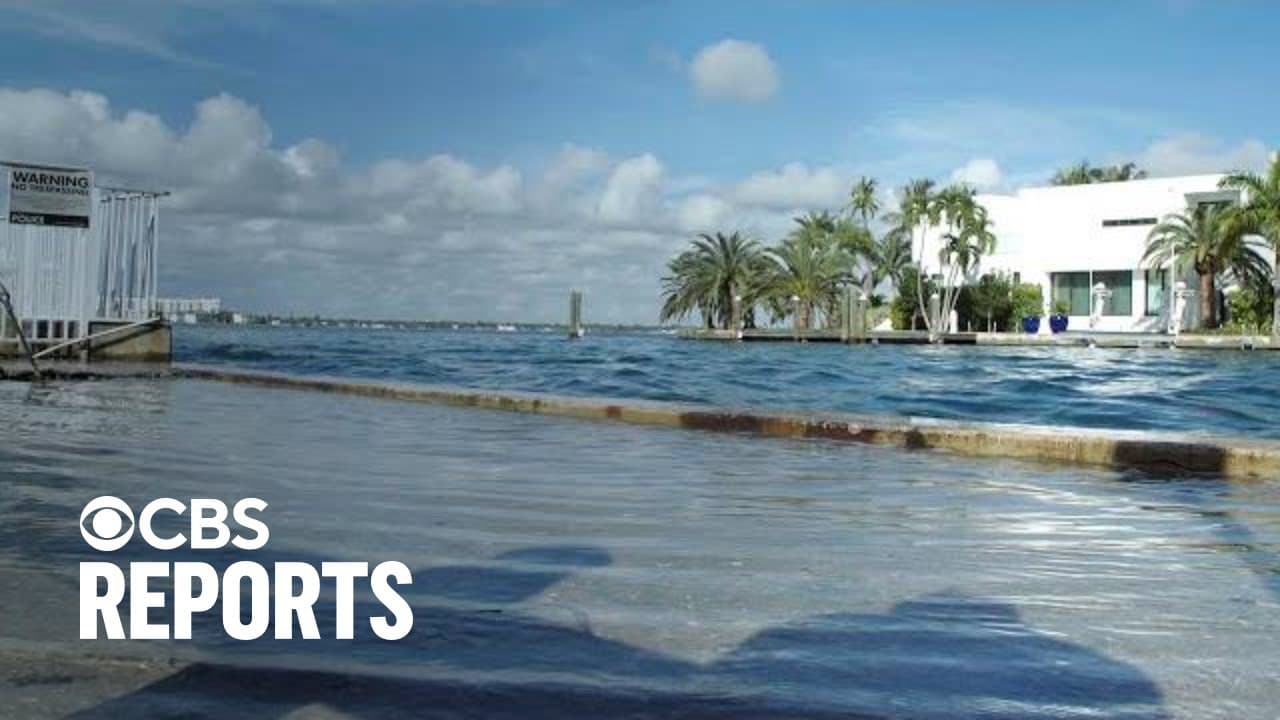
- Miami already had 120,000 properties at risk as of 2019. Florida and Miami have invested millions of dollars in pumps, raised streets and sidewalks, and other reinforcements, yet visible rental pumps and recurring high-tide flooding show the continuing pressure on coastal infrastructure.
- Coastal adaptation cannot protect everyday access when surrounding streets flood. Climate activist Dan Kipnis argues that raising a house may be insufficient if salt water fills the street, citing footage of a paddleboarder traveling through up to roughly two feet of water on Alton Road.
- Mobile home residents are vulnerable because they can own their homes while renting the land beneath them. At Miami Soar, Alba Hernandez’s monthly land rent increased from $245 to $500 and later to $735, placing severe pressure on her fixed retirement income.
- Affordable mobile home capacity is shrinking in Miami-Dade County. An attorney representing residents said at least seven parks closed within four years, reducing the number from 60 parks in 2015 to 53 and eliminating about 700 housing units.
- Higher-elevation land is becoming more desirable because Miami has limited developable space. Attorney Nashua Calvo said much of the county is swampland, leaving a relatively narrow developable strip and making inland mobile home parks increasingly attractive for long-term development.
- Little Haiti is especially exposed to displacement because high elevation overlaps with a concentrated renter population. Data cited from 2015 indicated that three-quarters of neighborhood residents rented their homes, limiting how many households could benefit directly from increasing property values.
- Large redevelopment projects can celebrate local culture while also transforming the underlying community. Magic City Innovation District Little Haiti plans a $1 billion luxury residential and commercial complex on land that previously included a trailer park housing nearly 40 working-class families who relocated.
Install to Summarize YouTube Videos and Get Transcripts
Explore YouTube Video Summarizer or Get YouTube Transcript Extractor
Questions & Answers
Q: How does sea level rise price people out of Miami?
As flooding threatens valuable coastal property, residents and developers increasingly look toward higher inland ground. Many lower-income renters already live in those areas, so new investment, rent increases, mobile home park closures, and redevelopment can push them out even though their homes are not directly in the path of rising water.
Q: What is climate gentrification in Miami?
Climate gentrification describes housing pressure created when investment shifts toward higher-elevation neighborhoods as coastal flooding worsens. In Miami, advocates connect that shift to rising rents, redevelopment, and the displacement of lower-income residents in inland communities such as Little Haiti.
Q: How serious is Miami’s sea-level-rise risk?
As of 2019, Miami already had 120,000 properties at risk. The documentary also presents an extreme simulation in which sea levels rise roughly 10 to 12 feet by 2100, while a local climate activist says water had permanently risen six to eight inches over the preceding 20 years.
Q: How is Miami responding to coastal flooding?
Florida and the city of Miami have invested millions of dollars in pumps, raised streets and sidewalks, and other reinforcements. Miami Beach also deploys temporary pumps to move water into the bay, but elevated homes may remain difficult to access when surrounding streets fill with salt water.
Q: How did rent increases affect Alba Hernandez at Miami Soar?
Hernandez owned her mobile home but rented the land beneath it. Her monthly rent rose from $245 to $500 and then to $735, a 47 percent increase from $500 in under one year, even though she was retired and living on limited income.
Q: Why are Miami mobile home parks vulnerable to redevelopment?
Mobile home residents may own their homes while renting the underlying land, leaving them exposed to rent increases and park closures. Miami-Dade also has limited developable space because much of the county is swampland, making inland park land attractive for future development.
Q: How much affordable mobile home capacity has Miami-Dade lost?
At least seven mobile home parks closed in Miami-Dade County within four years. The number fell from 60 parks in 2015 to 53, eliminating about 700 housing units that had served people with low or fixed incomes.
Q: Why is Little Haiti at risk of displacement?
Little Haiti combines relatively high elevation with a large renter population; data cited from 2015 indicated that three-quarters of residents rented their homes. The proposed $1 billion Magic City Innovation District adds pressure, and part of its site previously held a trailer park whose nearly 40 working-class families relocated.
Summary & Key Takeaways
-
Miami is confronting both physical flooding and unequal housing consequences. Pumps, elevated streets, raised homes, and other reinforcements attempt to manage coastal water, while declining confidence in vulnerable waterfront property encourages interest in inland neighborhoods. Those higher areas often contain low-income communities with large populations of renters vulnerable to displacement.
-
Mobile home residents illustrate the immediate affordability crisis. Alba Hernandez owned her home but rented the underlying land, where monthly rent rose from $245 to $500 and then $735. Advocates reported limited repairs, hazardous conditions, short notice for some increases, and the closure of seven Miami-Dade mobile home parks within four years.
-
Little Haiti combines relatively high elevation, a large renter population, and a cultural history built by Haitian immigrants. A proposed $1 billion luxury residential and commercial complex promises innovation, arts, entertainment, technology, and sustainability, but residents and advocates fear rising property values, higher rents, cultural erosion, and displacement from the neighborhood.
Read in Other Languages (beta)
Share This Summary 📚
Summarize YouTube Videos and Get Video Transcripts with 1-Click
Try YouTube Summary with ChatGPT & Claude or YouTube Transcript Generator
Explore More Summaries from CBS News 📚






Summarize YouTube Videos and Get Video Transcripts with 1-Click
Try YouTube Summary with ChatGPT & Claude or YouTube Transcript Generator