How to Cultivate Happiness Through Meditation
TL;DR
Happiness can be cultivated internally by relaxing, breathing freely, appreciating the body, and choosing to welcome greater ease and joy in the present moment. This guided practice reinforces that happiness remains accessible within you regardless of appearances, then anchors that feeling through gratitude, a deep breath, a powerful sigh, gentle movement, self-massage, and a warm embrace.
Transcript
begin this practice by getting into whatever position makes you feel best lovingly closing your eyes if that feels good to you inviting those shoulders to drop away from the ears and letting the breath flow as freely as it would like to right now being present with each sip of air and appreciating it as it enters and exits your lungs not only appre... Read More
Key Insights
- The practice begins with physical comfort and gentle relaxation, inviting the listener to choose a preferred position, close the eyes if desired, release the shoulders away from the ears, and let breathing occur freely without forcing its pace.
- Present-moment appreciation is developed by noticing each sip of air as it enters and exits the lungs. The meditation expands that gratitude beyond breathing by encouraging appreciation for the body and awareness of how the body seems to return that appreciation.
- The desire for increased happiness is treated as evidence that the listener deserves more happiness. The practice then redirects attention from simply wanting a happier life toward aligning physically and emotionally with happiness that is described as already accessible.
- Happiness is presented as an internal experience that can be witnessed, perceived, felt, and expressed. The listener is encouraged to relax into happiness as a physical sensation available within every cell and breath, rather than waiting for circumstances to create it.
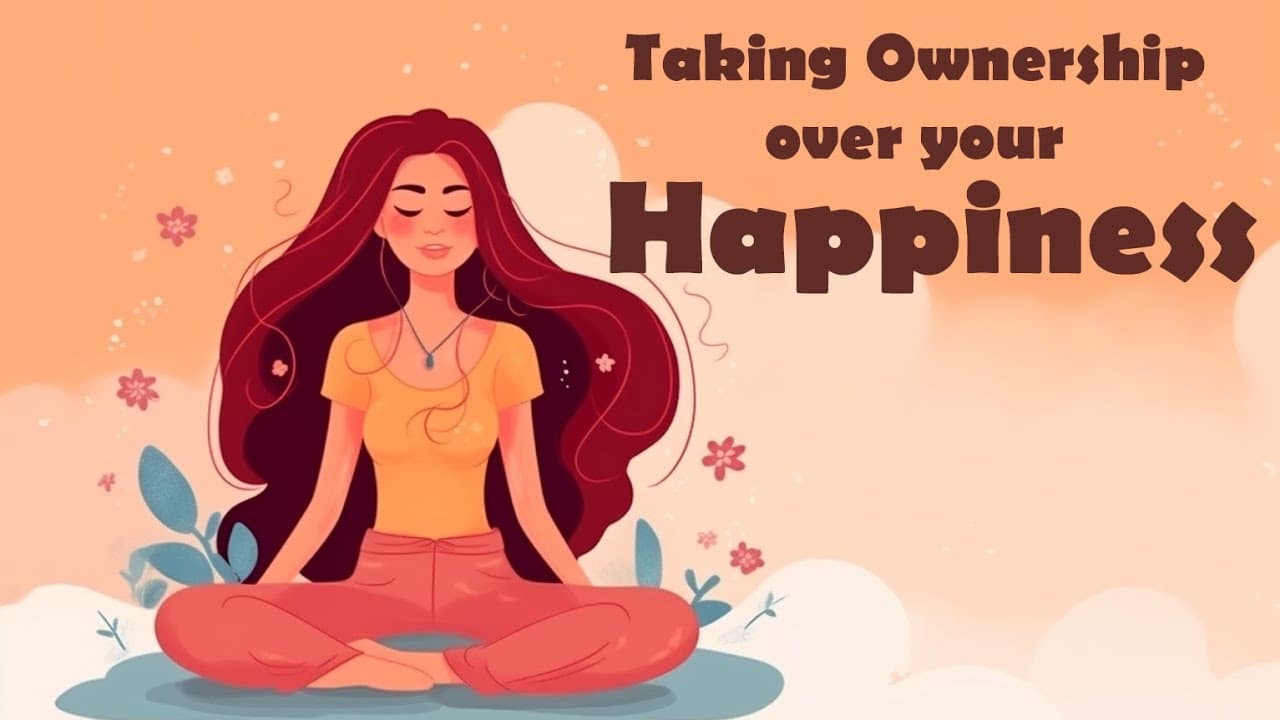
- Personal responsibility is central to the practice because the listener is asked to find internal happiness regardless of how things appear. Taking ownership means deliberately choosing ways to express, feel, and embody happiness in the present moment.
- The affirmation focuses on openness and readiness for greater happiness, ease, and joy. The listener is invited to regard this possibility as immediately available and may choose to believe that happiness is a birthright, allowing that belief to provide comfort.
- Gratitude is directed inward by thanking oneself for attending the practice and sending thankfulness to every cell. Each cell is acknowledged for its ability to align with the energy and frequency of happiness during the meditation.
- The closing breath anchors the emotional state by combining a deep inhalation, a brief hold, and a powerful sigh. Stretching, gentle neck and shoulder massage, and a warm self-embrace then help carry gratitude and happiness back into the surrounding world.
Install to Summarize YouTube Videos and Get Transcripts
Explore YouTube Video Summarizer or Get YouTube Transcript Extractor
Questions & Answers
Q: How can I cultivate happiness through guided meditation?
Begin in whatever position feels best, close your eyes if that feels comfortable, lower your shoulders, and let your breath flow freely. Appreciate each breath and your body, then notice your ability to witness, feel, express, and perceive happiness. Affirm your openness to greater happiness, ease, and joy, and allow those qualities to become a physical feeling in the present moment.
Q: What does taking ownership of happiness mean in this practice?
Taking ownership means accepting responsibility for finding and expressing happiness within yourself, regardless of how circumstances appear. The practice asks you to move beyond simply desiring happiness and actively choose ways to feel and embody it now. This choice is reinforced through an affirmation that you are open, willing, and ready to become a vessel for greater happiness, ease, and joy.
Q: How does the meditation begin relaxing the body?
The meditation starts by inviting you to settle into the position that feels best and lovingly close your eyes if desired. You then allow your shoulders to drop away from your ears and let the breath move as freely as it wants. Attention to each entering and exiting breath, combined with appreciation for the body, supports deeper relaxation and present-moment awareness.
Q: Why does the practice focus on happiness within the body?
The practice describes happiness as something already accessible within every cell and breath. Focusing on the body allows happiness to become a felt experience rather than only an abstract desire. You are invited to notice the parts of yourself that can witness, experience, express, and perceive happiness, then relax physically into that sensation while recognizing that it remains within you regardless of appearances.
Q: What affirmation is used to welcome greater happiness?
The central affirmation declares openness, willingness, and readiness to be a vessel for greater happiness, ease, and joy. After making this statement internally, the listener is encouraged to relax into it. The meditation presents this state as possible in the current moment and invites the listener to choose the comforting belief that access to happiness is a birthright.
Q: How is gratitude practiced during the meditation?
Gratitude begins with appreciation for the air moving into and out of the lungs and expands into appreciation for the body. Later, the listener thanks themselves for being present and sends a message of thankfulness to every cell. Those cells are thanked for their ability to align with happiness, and the practice ends with renewed gratitude for being present and for everything the listener is.
Q: How does breathing help anchor the feeling of happiness?
The listener takes an especially deep inhalation into the feeling of happiness and holds it briefly at the top, allowing the sensation to build. When ready, the listener releases a powerful sigh. The exhalation is used to ground and anchor awareness in the present moment while carrying the cultivated feelings forward as breathing gradually returns to its natural pace.
Q: What should I do before ending the guided meditation?
As natural breathing resumes, listen to the sense of happiness in your body and allow it to guide gentle movement. Stretch, massage the back of your neck, continue through the shoulders if desired, and offer yourself a warm embrace. Thank yourself for attending and for all that you are, carry that appreciation with you, and slowly open your eyes to the surrounding world.
Summary & Key Takeaways
-
The practice begins by choosing a comfortable position, optionally closing the eyes, lowering the shoulders, and allowing the breath to flow freely. Attention rests on each breath and on appreciation for the body. This gradual relaxation establishes a sense that all is well in the immediate moment and prepares the listener for happiness.
-
The central reflection shifts the listener from merely desiring happiness toward actively aligning with it. Happiness is presented as an internal quality that can be witnessed, experienced, expressed, and perceived through the body. The listener claims responsibility for choosing happiness regardless of appearances and welcomes greater happiness, ease, and joy.
-
The closing sequence uses gratitude and breath to strengthen and ground the desired feeling. The listener thanks every cell, inhales deeply, briefly holds the breath, and exhales with a powerful sigh. Natural breathing then returns as the body guides stretching, neck and shoulder massage, a warm embrace, and a gradual reopening of the eyes.
Read in Other Languages (beta)
Share This Summary 📚
Summarize YouTube Videos and Get Video Transcripts with 1-Click
Try YouTube Summary with ChatGPT & Claude or YouTube Transcript Generator
Explore More Summaries from Great Meditation 📚



Summarize YouTube Videos and Get Video Transcripts with 1-Click
Try YouTube Summary with ChatGPT & Claude or YouTube Transcript Generator