Why Does Assange's Case Threaten Journalism?
TL;DR
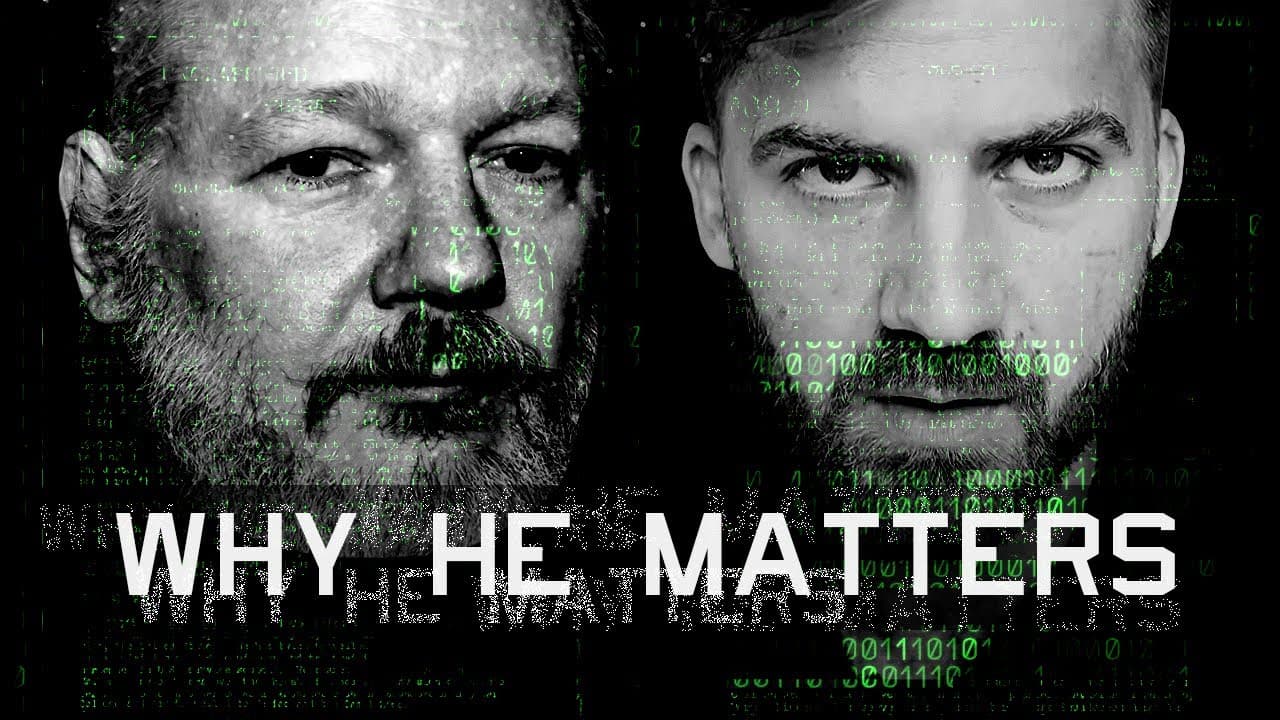
Prosecuting Julian Assange for obtaining and publishing classified material could affect journalists who use leaked documents to expose government conduct. WikiLeaks revealed previously hidden information about civilian deaths, military operations, abuse, torture, and diplomatic pressure, so the case raises a broader question: whether punishing Assange’s publication methods could create legal risks for other reporters performing similar watchdog work.
Transcript
(emergency sirens) - [Johnny] On a spring day, 10 years ago, a 41 year old Australian man named Julian Assange dressed up as a motorcycle delivery man. He dyed his hair, put colored contacts in his eyes, and even put a rock in his shoe so that he would walk differently than normal. He was sure he was being followed by dark government forces that we... Read More
Key Insights
- • WikiLeaks is a publishing platform created by Julian Assange in 2006 to receive sensitive information from anonymous whistleblowers. Assange claimed that its submission system protected sources so thoroughly that even he would not necessarily know who had provided the documents.
- • Assange’s transparency project was designed to expose corruption, government secrets, and injustice through publication. Early WikiLeaks releases addressed drone strikes in Yemen, oil scandals in Peru, corruption in the Arab world, Tibetan uprisings in China, and other information governments or institutions wanted concealed.
- • Chelsea Manning’s 2010 disclosure was described as the biggest leak in history. As a 22-year-old American intelligence analyst in Iraq, Manning downloaded hundreds of thousands of classified military documents and uploaded them to WikiLeaks after becoming horrified by what she was seeing.
- • The leaked military records revealed information that contradicted public understanding of the Iraq War. Although the United States military claimed it was not tracking Iraqi deaths, the documents showed casualty records and identified 15,000 civilian deaths connected to previously unknown incidents.
- • The classified helicopter footage showed the lethal consequences of mistaken identification during war. United States personnel treated cameras as weapons, opened fire on a group that included children and two Reuters journalists, and spoke approvingly about the deaths during the recorded operation.
- • The Iraq documents depicted abuse as a systemic problem rather than a few isolated incidents. They described secret raids, attacks on surrendering people, executions of Iraqi families, and torture or abuse by Iraqi forces that the United States military reportedly knew about but did not resolve.
- • Diplomatic leaks exposed how private bargaining can differ from public policy. One State Department document from the American embassy in Belgium showed the United States encouraging Belgium to accept Guantanamo Bay prisoners as a low-cost way to gain political prominence in Europe.
- • The Assange case presents a press-freedom concern regardless of opinions about his character, ethics, or methods. Because conventional journalism also depends on obtaining and publishing information that powerful institutions want hidden, punishment directed at WikiLeaks could influence how other journalists handle classified sources and documents.
Install to Summarize YouTube Videos and Get Transcripts
Explore YouTube Video Summarizer or Get YouTube Transcript Extractor
Questions & Answers
Q: Why does Julian Assange’s case matter to journalists?
Julian Assange’s case matters because WikiLeaks obtained and published classified information about government wars, diplomacy, intelligence, civilian deaths, and abuse. Those activities overlap with the watchdog function of journalism, which often requires reporters to receive information that powerful institutions want concealed. A prosecution based on those activities could therefore create risks extending beyond Assange and affecting other journalists who work with leaked government documents.
Q: What was WikiLeaks created to do?
WikiLeaks was created by Julian Assange in 2006 as a website where whistleblowers could upload sensitive information for publication while remaining anonymous. Assange claimed that even he would not know the identities of his sources. Its idealistic purpose was to make important information transparent, reveal corruption and government secrets, and use public exposure to pressure powerful institutions toward more just conduct.
Q: How did Chelsea Manning transform WikiLeaks?
Chelsea Manning transformed WikiLeaks by providing the material that brought it worldwide attention. In 2010, while serving as a 22-year-old American intelligence analyst in Iraq, Manning downloaded hundreds of thousands of classified documents from military computers and uploaded them to WikiLeaks. The disclosure, described as the biggest leak in history, exposed previously unseen information about American warfare, diplomacy, intelligence, casualties, and abuse.
Q: What did the Iraq War documents reveal about civilian deaths?
The Iraq War documents showed that civilian casualties were more extensive and more closely recorded than the public had understood. Although the United States military said it was not keeping track of deaths in Iraq, the leaked records contained casualty data. According to the account presented, they identified 15,000 civilians killed in incidents that had not previously been known to the public.
Q: What did the classified helicopter footage show?
The classified footage showed a United States helicopter crew firing on a group of Iraqis after interpreting cameras as weapons. The group included children and two Reuters journalists. Recorded communications captured personnel requesting permission to engage, opening fire, and speaking approvingly about those killed. The footage provided direct evidence of how mistaken identification, military authorization, and dehumanizing attitudes could produce civilian deaths.
Q: What broader pattern of abuse appeared in the leaked records?
The records described more than a small number of individual mistakes. They revealed secret raids, executions of Iraqi families, attacks on people attempting to surrender, and a broader culture of abuse and torture. Much of the torture was attributed to Iraqi military forces, but the documents indicated that the United States military knew about the conduct and did not take effective action to resolve it.
Q: How did diplomatic leaks expose private government pressure?
The diplomatic documents showed how governments use private bargaining to pursue political goals. One State Department leak from the United States embassy in Belgium described American officials encouraging Belgium to accept prisoners from Guantanamo Bay. The proposal presented that action as a low-cost way for Belgium to gain prominence in Europe, revealing an exchange between prisoner policy and political favor that was not publicly visible.
Q: Why is the debate about Assange larger than his character?
The debate is larger than Assange because the legal treatment of his conduct may establish consequences for others who expose secret government activity. He became a polarizing figure who was praised as a courageous journalist and condemned as a traitor or hacker. Regardless of those judgments, WikiLeaks published evidence of hidden deaths, abuse, military actions, and diplomacy, work that intersects with investigative journalism’s public-accountability role.
Summary & Key Takeaways
-
Julian Assange founded WikiLeaks in 2006 as a platform where whistleblowers could anonymously submit sensitive material for publication. The organization released documents about subjects including drone strikes, corruption, oil scandals, and political unrest, reflecting Assange’s belief that exposing secret information could pressure governments to address injustice and abuses of power.
-
WikiLeaks gained worldwide attention in 2010 after American intelligence analyst Chelsea Manning uploaded hundreds of thousands of classified documents. The material revealed hidden details about United States wars, diplomacy, intelligence, civilian casualties, raids, torture, and military conduct, including footage of a helicopter attack that killed Iraqis and two Reuters journalists.
-
The United States sought to imprison Assange for his conduct, while supporters and critics disputed whether he was a journalist, hacker, traitor, or transparency advocate. The central concern is broader than his personality or ethics: prosecuting the acquisition and publication of government secrets may create consequences for journalists who investigate powerful institutions.
Read in Other Languages (beta)
Share This Summary 📚
Summarize YouTube Videos and Get Video Transcripts with 1-Click
Try YouTube Summary with ChatGPT & Claude or YouTube Transcript Generator
Explore More Summaries from Johnny Harris 📚
Summarize YouTube Videos and Get Video Transcripts with 1-Click
Try YouTube Summary with ChatGPT & Claude or YouTube Transcript Generator