Why Did ASML Stock Fall 10% After Earnings?
TL;DR
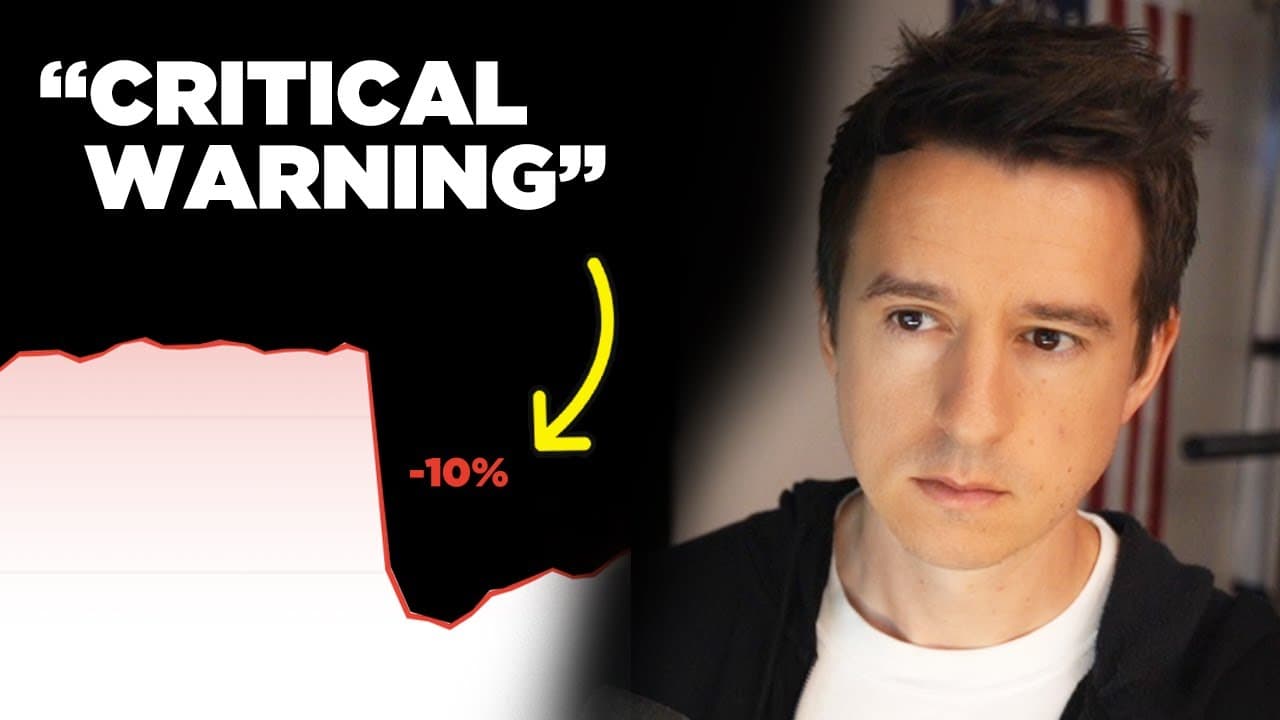
ASML shares fell about 10% because investors reacted to uncertainty surrounding the company's 2026 growth outlook, even though its latest quarterly fundamentals were strong. Sales reached €7.7 billion, gross margin was 53.7%, and net income was €2.3 billion, leading the presenter to characterize the decline as a change in market narrative rather than evidence of current operational weakness.
Transcript
ASML just reported earnings and the stock is down 10% on the day. It went from $800 to 743. And we have some of the early news reports reading into this earnings report. One of them from Fast Company saying that ASML stock price is dropping today after the semiconductor giant issued a critical warning about 2026. A critical warning. That sounds rea... Read More
Key Insights
- ASML's approximately 10% share-price decline was presented as a narrative-driven reaction rather than a response to weak current-quarter fundamentals. Investors appeared more concerned about uncertainty surrounding the company's 2026 growth outlook than about the sales, margins, or earnings delivered during the reported quarter.
- ASML's total net sales reached €7.7 billion, placing revenue at the upper end of management's guidance. The company also exceeded revenue expectations, supported by high numerical-aperture system revenue and strong upgrade activity, according to the earnings summary discussed by the presenter.
- ASML's net system sales were €5.6 billion, with logic accounting for 69% and memory accounting for 31%. Installed-base management sales exceeded guidance at €2.1 billion, giving the company strong results across its three major revenue segments of logic, memory, and installed-base services.
- ASML's gross margin was 53.7%, which was above guidance, while research and development spending totaled €1.2 billion and selling, general, and administrative expenses were €299 million. These figures were described as evidence that operations and spending remained on track during the quarter.
- ASML's net income reached €2.3 billion and earnings per share reached €5.90, with earnings per share exceeding estimates. The company also ended the quarter with €7.2 billion in cash, leaving it with substantial resources for operations and shareholder returns.
- ASML's shareholder returns included a dividend of €1.84 per share and €1.4 billion in second-quarter share buybacks. The presenter views these repurchases as aggressive relative to much of 2023 and 2024 and expects the lower share price to make ongoing buybacks more effective.
- ASML's competitive position rests on highly difficult semiconductor manufacturing technology that the presenter believes has not been successfully replicated, even by heavily funded nations such as China. This technological advantage supports the view that ASML remains a dominant, profitable company with a wide competitive moat.
- Long-term investing reduces the importance of unpredictable quarterly price reactions because even high-quality companies can move sharply after earnings. The presenter argues that investors should evaluate the combination of business fundamentals and market narrative rather than treating a single 10% decline as definitive evidence of deterioration.
Install to Summarize YouTube Videos and Get Transcripts
Explore YouTube Video Summarizer or Get YouTube Transcript Extractor
Questions & Answers
Q: Why did ASML stock fall about 10% after earnings?
ASML shares fell about 10%, from roughly $800 to $743, because investors focused on uncertainty surrounding the company's 2026 growth outlook. News coverage described a critical warning, growth concerns, tariff pressure, and a walked-back forecast. The presenter argues that the reaction reflected a weaker market narrative about future growth, not disappointing results in the quarter that ASML had just reported.
Q: Were ASML's quarterly financial results weak?
ASML's reported quarterly results were characterized as strong rather than weak. Total net sales reached €7.7 billion, at the upper end of guidance, while gross margin of 53.7% was above guidance. Net income was €2.3 billion, earnings per share reached €5.90, and revenue growth was above 15%. Several operating measures met or exceeded the company's expectations.
Q: What were ASML's major revenue results for the quarter?
ASML generated €7.7 billion in total net sales, including €5.6 billion in net system sales and €2.1 billion in installed-base management sales. Net system sales were divided between logic at 69% and memory at 31%. Two of the company's three major revenue segments were described as reaching the high end of guidance, while the remaining segment stayed within guidance.
Q: How profitable was ASML in the reported quarter?
ASML reported a gross margin of 53.7%, which exceeded guidance, and net income of €2.3 billion. Earnings per share reached €5.90 and exceeded estimates. The company also maintained its investment in future technology, with research and development expenses of €1.2 billion, while selling, general, and administrative expenses totaled €299 million and were described as being on track.
Q: How did ASML return capital to shareholders?
ASML returned capital through both dividends and share repurchases. It paid a dividend of €1.84 per share during the second quarter and bought back €1.4 billion of its own shares. The presenter considers the recent pace of repurchases aggressive compared with much of 2023 and 2024, while noting that a falling share price allows the company to repurchase shares at lower prices.
Q: Does ASML have enough cash to continue buying back shares?
ASML ended the quarter with €7.2 billion in cash after previously holding €9.1 billion in the first quarter, according to the figures discussed. The presenter believes this balance could support another large quarter of repurchases, potentially in the range of €1 billion to €2 billion, while future free cash flow could replenish the cash used for shareholder returns.
Q: What is the difference between fundamentals and narrative in stock analysis?
Fundamentals are measurable business results such as revenue, operating margins, free cash flow, earnings, key performance indicators, and units sold. Narrative is the prevailing investor belief about a company's prospects, including optimism or skepticism about its future. The presenter argues that a stock's longer-term story combines both elements and that ASML's selloff was primarily caused by a change in narrative.
Q: Should a 10% post-earnings decline determine a long-term investment decision?
A single 10% post-earnings decline should not automatically determine a long-term investment decision, according to the presenter. Large quarterly moves can occur even in high-quality companies and are difficult to predict consistently. Investors should instead examine whether revenue, margins, cash flow, competitive position, and capital allocation have materially deteriorated. In ASML's case, the reported fundamentals remained strong despite concerns about 2026.
Summary & Key Takeaways
-
ASML shares declined about 10%, falling from roughly $800 to $743 after its earnings announcement. News reports attributed the reaction to a warning about 2026 growth, a walked-back growth forecast, and tariff concerns. The presenter argues that these headlines affected investor expectations even though the reported quarter itself appeared financially strong.
-
The company reported €7.7 billion in total net sales, at the upper end of guidance, including €5.6 billion in net system sales and €2.1 billion from installed-base management. Gross margin reached 53.7%, net income totaled €2.3 billion, and earnings per share were €5.90, with several results meeting or exceeding guidance.
-
ASML continued returning capital through dividends and share repurchases. It paid a €1.84-per-share dividend and completed €1.4 billion in second-quarter buybacks while ending the period with €7.2 billion in cash. The presenter views these actions, alongside revenue growth above 15%, as signs that the underlying business remained healthy despite the selloff.
Read in Other Languages (beta)
Share This Summary 📚
Summarize YouTube Videos and Get Video Transcripts with 1-Click
Try YouTube Summary with ChatGPT & Claude or YouTube Transcript Generator
Explore More Summaries from Joseph Carlson After Hours 📚




Summarize YouTube Videos and Get Video Transcripts with 1-Click
Try YouTube Summary with ChatGPT & Claude or YouTube Transcript Generator