What Are Common Toxic Thought Patterns to Avoid?
TL;DR
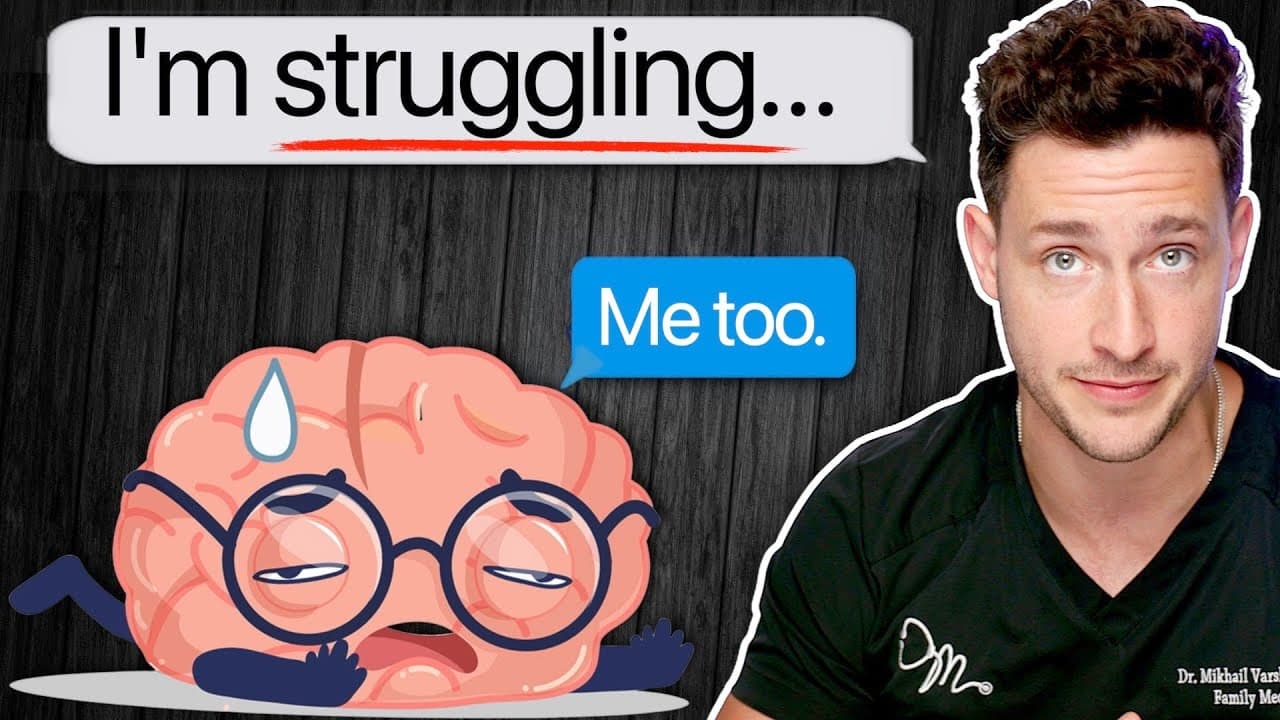
Common toxic thought patterns include all-or-nothing thinking, overgeneralization, and emotional reasoning. These cognitive distortions can negatively affect your mental health and self-perception, leading to feelings of inadequacy and anxiety. Recognizing and addressing these thought patterns is crucial for maintaining a balanced perspective and overall well-being.
Transcript
- I've been meaning to tell you this for a while now, so here it goes, I've started therapy. It's not easy to admit that publicly but I think we need to work on de-stigmatizing caring for our mental health. For me and many others, therapy starts with addressing our irrational thoughts. No, this is not gonna be a negative video. I'm simply going to ... Read More
Key Insights
- 💭 Therapy is a beneficial tool for confronting and reshaping harmful thought patterns associated with mental health.
- ❓ Cognitive distortions, like overgeneralization and emotional reasoning, can significantly distort one's reality and emotional well-being.
- 🤔 All-or-nothing thinking leads to an incomplete self-assessment, overlooking the complexities of personal experiences.
- 🫵 Mental filtering traps individuals in a cycle of negativity by promoting an unbalanced view of their feedback and experiences.
- 🥺 The habit of personalization can lead to harmful self-blame in situations beyond an individual's control, impacting mental health.
- ❓ Emotional reasoning highlights the importance of discerning between feelings and factual realities to avoid misunderstandings.
- 🖐️ Language plays a crucial role in mental health; using "should" statements can inflame feelings of inadequacy and guilt.
Install to Summarize YouTube Videos and Get Transcripts
Explore YouTube Video Summarizer or Get YouTube Transcript Extractor
Questions & Answers
Q: What are cognitive distortions, and why are they important to address?
Cognitive distortions are irrational thought patterns that distort our perception of reality, leading to negative emotions and behaviors. Addressing them is crucial for improving mental health, as they can skew our understanding of ourselves and the world, fueling anxiety, depression, and self-doubt.
Q: How does all-or-nothing thinking affect our self-perception?
All-or-nothing thinking simplifies complex situations into black-and-white categories, obscuring nuances. This can lead individuals to feel like complete failures or successes, disregarding the gradations in between. Recognizing this pattern allows for a more balanced view of oneself and reduces extreme emotional states.
Q: What is overgeneralization, and how can it be detrimental?
Overgeneralization involves making broad conclusions based on singular events, such as concluding that one breakup means you will never find love again. This distorts reality and can lead to feelings of hopelessness, making it difficult to form healthy relationships moving forward.
Q: Why is mental filtering harmful in our daily lives?
Mental filtering focuses solely on negative experiences, ignoring positive ones. For example, someone might fixate on a few critical comments online while disregarding numerous supportive ones. This limited perspective can contribute to a negative self-image and heightened distress.
Q: How can personalization impact our mental health?
Personalization occurs when individuals take undue responsibility for external events outside their control, leading to unnecessary guilt and self-blame. This thought pattern can exacerbate feelings of inadequacy, especially when faced with unforeseen circumstances, such as natural disasters or others' behaviors.
Q: In what ways does emotional reasoning misguide us?
Emotional reasoning involves ascribing one's emotional responses as absolute truths, leading to misleading conclusions. For instance, feeling jealous could cause someone to assume their partner is unfaithful without any factual basis, illustrating how emotions can cloud rational judgment.
Q: How does "should" language contribute to our mental struggles?
"Should" statements create unrealistic expectations for ourselves and others, fostering guilt and frustration. They can limit our ability to appreciate our circumstances and achievements, thereby intensifying feelings of dissatisfaction and lowering self-esteem.
Q: What is discounting the positive, and how can it manifest?
Discounting the positive is the act of downplaying or ignoring accomplishments. A person might achieve significant personal milestones but fail to acknowledge them, often comparing themselves to others in harmful ways. Recognizing this tendency is vital for fostering self-acceptance and pride in one’s achievements.
Summary & Key Takeaways
-
The speaker shares their experience with therapy and emphasizes the need to destigmatize mental health discussions while identifying irrational thought patterns.
-
Ten cognitive distortions are discussed, including all-or-nothing thinking, overgeneralization, and emotional reasoning, which affect how we perceive ourselves and our experiences.
-
The importance of recognizing and addressing these thought patterns is stressed, encouraging viewers to seek a more nuanced understanding of their thoughts and feelings.
Read in Other Languages (beta)
Share This Summary 📚
Summarize YouTube Videos and Get Video Transcripts with 1-Click
Try YouTube Summary with ChatGPT & Claude or YouTube Transcript Generator
Explore More Summaries from Doctor Mike 📚





Summarize YouTube Videos and Get Video Transcripts with 1-Click
Try YouTube Summary with ChatGPT & Claude or YouTube Transcript Generator