How Does Aberrant Salience Shape Schizophrenia?
TL;DR
Schizophrenia may involve aberrant salience, a state in which excessive, illogical dopamine release makes ordinary external stimuli and internal thoughts feel overwhelmingly important. This framework helps explain delusions, auditory hallucinations, and thought disorganization, while dopamine-blocking antipsychotic medications can reduce these symptoms at the cost of dampening normal salience too.
Transcript
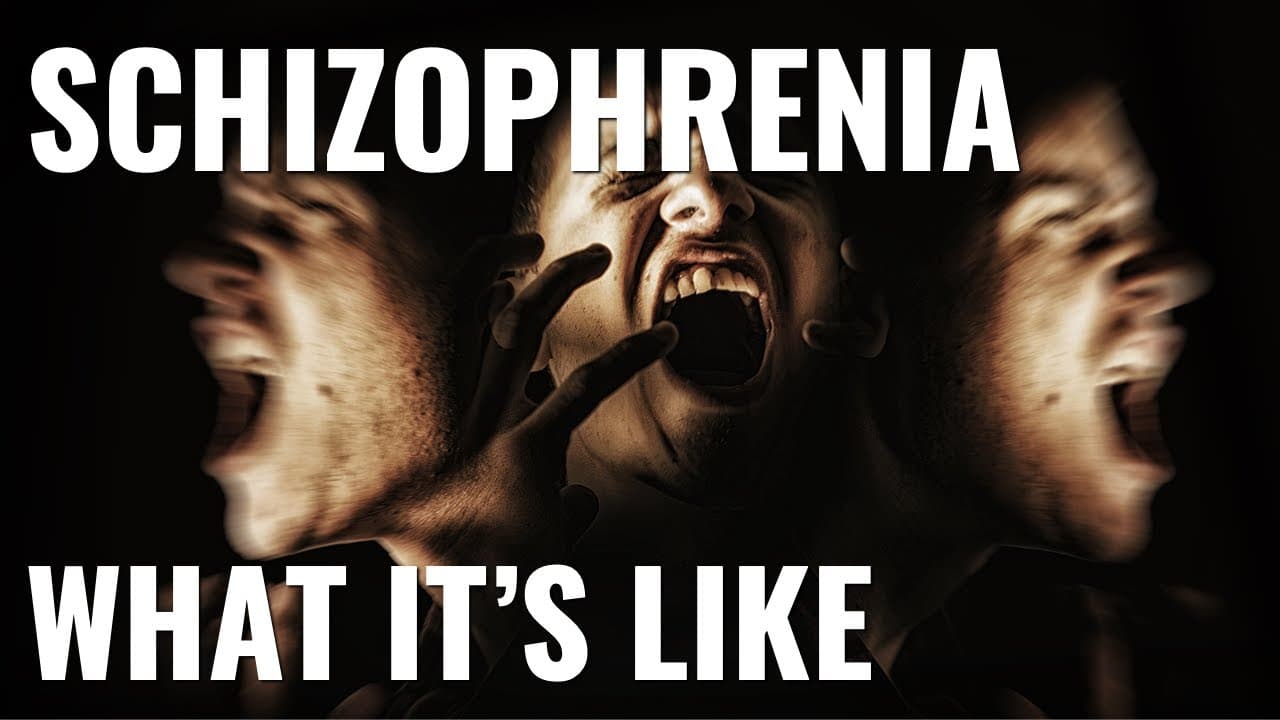
what is it like to have schizophrenia the experience of schizophrenia is not one that most people will easily understand it's not like depression where most of the symptoms like insomnia or fatigue will be instantly familiar to most people with schizophrenia the most prominent symptoms of the disorder the delusions hallucinations and disorder organ... Read More
Key Insights
- Salience is the perceived importance or interestingness of information, determining what receives attention and motivates action. The information itself does not need to change, because connecting it with a possible reward or harmful outcome can greatly increase its salience.
- Dopamine plays a key biological role in salience by being released when information is judged important. This dopamine activity increases attention and encourages action, helping the brain prioritize meaningful information instead of treating every incoming sight, sound, or idea equally.
- The brain uses salience as an automatic filter that prevents information overload. It retains information with direct relevance, such as a weather forecast linked to avoiding discomfort, while allowing news, music, social media, and other information without immediate significance to fade from attention.
- Aberrant salience is a proposed state in schizophrenia where excessive and illogical dopamine release gives nearly every new experience unwarranted importance. Ordinary details can consequently feel vivid, personally relevant, and connected to an overwhelming significance that the person cannot readily explain.
- Delusions of reference can function as explanations for an environment saturated with unexplained significance. A news address may appear to contain a private code, a randomly timed song may seem intentionally selected, or an advertisement may appear central to saving the world.
- Auditory hallucinations may arise when aberrant salience is assigned to internally generated thoughts. Thoughts that would normally be recognized as part of an internal stream of consciousness can demand attention with the apparent priority and intensity of a voice coming from outside the head.
- Thought disorganization can reflect perpetual information overload caused by a broken salience filter. When countless stimuli compete for attention without meaningful prioritization, understanding simple ideas, responding coherently, and organizing speech or behavior can become extremely difficult.
- Antipsychotic medications block dopamine receptors to some degree and can create dampened salience, reducing delusions, hallucinations, and disorganization. Their non-specific action may also weaken attention to genuinely relevant information, illustrating both their therapeutic power and their limitations.
Install to Summarize YouTube Videos and Get Transcripts
Explore YouTube Video Summarizer or Get YouTube Transcript Extractor
Questions & Answers
Q: What is salience, and how does it guide attention?
Salience is the interestingness or perceived importance of information. The brain gives salient information more attention and is more likely to act upon it. Connecting otherwise ordinary information to a reward or a negative outcome can increase its salience without changing the information itself. This process helps people prioritize useful details while allowing stimuli with no apparent significance to be filtered out and forgotten.
Q: How does dopamine contribute to salience?
Dopamine plays a key biological role in assigning salience. When information is found to be important, the brain releases dopamine, which makes that information capture attention and motivates a response. The process can be driven by possible rewards, such as financial gain, or negative consequences, such as injury. It therefore helps determine which information deserves priority among the many stimuli encountered each day.
Q: What is aberrant salience in schizophrenia?
Aberrant salience is a proposed state in which excessive and illogical dopamine release assigns importance to new information without a clear connection to rewards or punishments. Ordinary sights, sounds, ideas, and coincidences can consequently feel unusually vivid, compelling, and personally significant. The person senses that these experiences matter profoundly but may be unable to understand why, creating confusion and pressure to find an explanation.
Q: How can aberrant salience lead to delusions?
Aberrant salience can make unrelated external stimuli feel overwhelmingly relevant, leading a person to construct explanations for that unexplained importance. A presidential address might seem like a coded personal message, a song may appear to play at a meaningful moment for a special reason, or an advertisement may seem essential to saving the world. These delusions help organize an otherwise senseless environment of constant significance.
Q: How might aberrant salience explain auditory hallucinations?
Auditory hallucinations may develop when salience is assigned to internally generated information. Everyone has an internal stream of consciousness that is generally recognized as self-generated, but aberrant salience can make these thoughts demand as much attention as an external voice. The experience resembles having the volume of internal thoughts raised until they capture attention like hearing one's name called from across a room.
Q: Why does schizophrenia cause disorganized thinking?
Disorganized thinking may result from perpetual information overload when the normal salience filter stops prioritizing relevant stimuli. The person becomes bombarded by new information without an effective way to organize or interpret it, comparable to trying to watch many television programs simultaneously. This confusion can impair comprehension and produce speech, behavior, or environmental responses that appear bewildering and disconnected to an outside observer.
Q: Why can schizophrenia delusions differ across cultures?
Delusions can differ across cultures because they may be normal psychological constructions formed while a person is in an abnormal biological state. Someone in a modern city might interpret unexplained significance through satellite waves, while someone in a rural setting might interpret it through a neighbor's curse. The cultural content changes because explanations draw on personal experience and values, even when the proposed biological abnormality is the same.
Q: How do antipsychotic medications affect aberrant salience?
Antipsychotic medications block dopamine receptors to some degree, creating dampened salience that reduces the ability of psychosis-related information to seize attention. This can lessen delusions, hallucinations, and thought disorganization. However, the effect is non-specific, so meaningful information can also lose importance. A person may ignore irrelevant advertisements more easily but also fail to prioritize a useful weather report.
Summary & Key Takeaways
-
Salience is the perceived importance or interestingness of information, and dopamine helps information capture attention and motivate action. Normally, this filtering system prioritizes stimuli connected to rewards or negative outcomes while allowing irrelevant details to fade. Without such automatic filtering, the volume of incoming information would quickly become overwhelming and incapacitating.
-
Aberrant salience is a proposed core mechanism of schizophrenia in which excessive, illogical dopamine release assigns importance to information without clear connections to rewards or punishments. Ordinary sights, sounds, advertisements, songs, and internal thoughts may feel intensely significant, prompting delusional explanations, hallucination-like experiences, confusion, and profound disorganization of thought, speech, and behavior.
-
Dopamine-blocking antipsychotic medications can produce dampened salience, reducing the attention-grabbing power of stimuli associated with delusions, hallucinations, and disorganization. Their effects are not limited to psychosis, however, so relevant information may also lose significance. The framework explains positive symptoms better than negative symptoms such as flat emotions, reduced pleasure, and relationship difficulties.
Read in Other Languages (beta)
Share This Summary 📚
Summarize YouTube Videos and Get Video Transcripts with 1-Click
Try YouTube Summary with ChatGPT & Claude or YouTube Transcript Generator
Explore More Summaries from Memorable Psychiatry and Neurology 📚

Summarize YouTube Videos and Get Video Transcripts with 1-Click
Try YouTube Summary with ChatGPT & Claude or YouTube Transcript Generator