What Are Russia's Nuclear War Strategies According to Analysts?

TL;DR
Russia's nuclear war strategy is shaped by their historical reliance on sheer numbers and artillery, recently evolving to include loitering munitions and improved logistics. Analysts like Ryan McBeth emphasize that while initial tactics were flawed, Russia is learning from its experiences, making them a more dangerous adversary. This reflects broader implications on international security and military dynamics.
Transcript
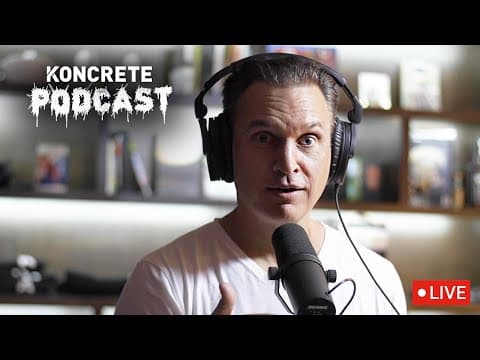
the the military-industrial complex there's no such thing h no all right don't don't say anymore we're going to record this I need the live reaction all right Steve let me know when you're rolling Ryan McBeth ladies and gentlemen big fan of your YouTube channel I love all the stuff that you're doing with the in Intel analyzing and the military anal... Read More
Key Insights
- 🎖️ Military analysis requires understanding complex technologies and innovations shaping modern warfare, such as drones and loitering munitions.
- 🇮🇱 The nature of conflicts, like in Ukraine and Israel, emphasizes the importance of strategy, historical context, and socio-political dynamics.
- 🎖️ The military-industrial complex and defense contractor profits influence national security policies but do not necessarily dictate military actions.
- 💁 Information warfare, particularly through social media platforms like TikTok, is increasingly vital in shaping public perception and support in conflicts.
- 😀 Personal experiences shared by military veterans provide valuable perspectives on the mental health challenges and realities faced by those who have served.
- 😒 The risks associated with tactical nuclear weapons and the intricate decision-making processes surrounding their use are critical considerations in military strategy.
- 🎖️ Public sentiment can significantly impact military strategy, necessitating a careful balance between action and perception management.
Install to Summarize YouTube Videos and Get Transcripts
Explore YouTube Video Summarizer or Get YouTube Transcript Extractor
Questions & Answers
Q: How did Ryan McBeth transition from military to YouTube content creator?
Ryan McBeth initially worked as a software engineer but drew from his military experience to create educational videos that explain military strategies and technologies. After gaining traction during the Ukraine conflict, his subscriber base grew significantly as viewers sought clear insights into complex military situations.
Q: What modern military technologies does Ryan believe are pivotal in warfare today?
One significant technology is the loitering munition, which allows for prolonged surveillance and targeting of enemy positions. The evolution of drone technology and advanced missiles has fundamentally changed how battles are fought, allowing for precision that was previously unattainable.
Q: How does Ryan perceive the relationship between the military and the industrial complex?
While Ryan acknowledges the substantial profits of defense contractors, he argues that this does not necessarily imply a military-industrial complex; instead, he believes that the focus should be on the necessity of equipment for the military and employment it provides.
Q: Why does Ryan consider TikTok a potential weapon in modern information warfare?
TikTok can spread propaganda and manipulate public opinion effectively, particularly among younger audiences. It allows for targeted disinformation campaigns that can influence attitudes towards complex geopolitical issues, making it a tool for chaos during conflicts.
Q: What does Ryan foresee for the future of the Ukraine conflict?
He anticipates a drawn-out struggle that may lead to a negotiated settlement, with a focus on the U.S. providing military support to Ukraine to ensure its strength in negotiations rather than a complete military defeat of Russia.
Q: What personal experiences does Ryan share about his military service?
Ryan discusses his time in the infantry and the impact of various combat situations on his perspective. He reflects on the complexities of military life, the camaraderie with his fellow soldiers, and the mental challenges faced post-service.
Q: How does Ryan feel about using nuclear force in modern warfare?
He believes that while the use of tactical nuclear weapons can be justified in extreme situations, such as stopping a significant military advance, the overall risks and geopolitical implications make their use extremely dangerous and undesirable.
Q: What role does public perception play in military actions according to Ryan?
He stresses that public opinion can heavily influence military decisions, particularly through social media. Leaders must navigate the optics of military actions carefully to maintain public support and international credibility.
Summary & Key Takeaways
-
Ryan McBeth, a former military member, shares his journey from a software engineer to a military analyst, focusing on modern conflicts and military technology.
-
The conversation highlights the complexities of warfare, including the impact of misinformation, military strategy, and the nuances of military interventions in conflicts such as Ukraine and Israel.
-
Insights into weapon technology, the military-industrial complex, and challenges faced by soldiers provide a comprehensive look at contemporary security issues.
Read in Other Languages (beta)
Share This Summary 📚
Summarize YouTube Videos and Get Video Transcripts with 1-Click
Try YouTube Summary with ChatGPT & Claude or YouTube Transcript Generator
Explore More Summaries from Danny Jones Podcast 📚

Summarize YouTube Videos and Get Video Transcripts with 1-Click
Try YouTube Summary with ChatGPT & Claude or YouTube Transcript Generator