What Causes Obesity Rise: Environment or Willpower?
TL;DR
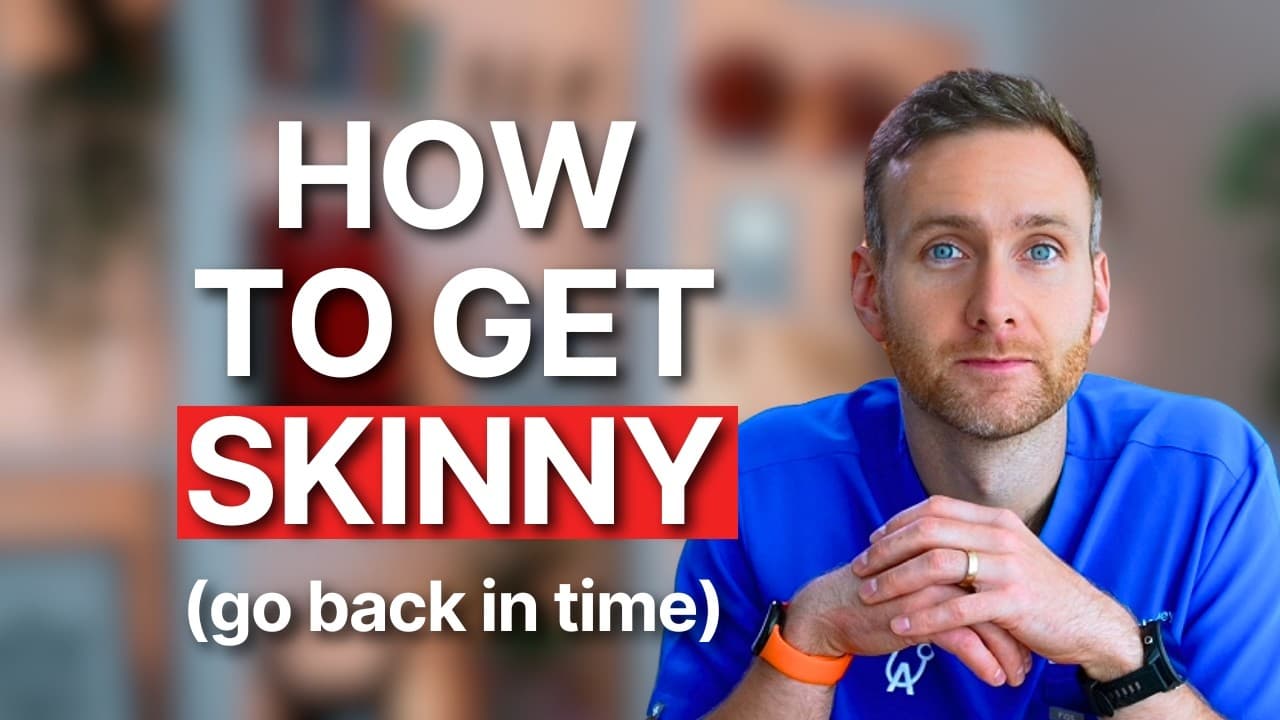
Obesity rose largely due to environmental changes, not personal weakness. Ultraprocessed foods and constant snacking push energy intake, while marketing and inexpensive convenience shape choices. Sleep disruption and circadian misalignment further worsen metabolic health, making obesity a systemic issue that requires changing surroundings and incentives.
Transcript
Here's an experiment. So, when you get a bit of free time, what I want you to do is to put on a black and white film or TV show from the 50s or 60s. There are loads on YouTube. And just look around in the background. Look at the crowds in the street or the people in the restaurants or the cafes in this TV show or movie or the kids running around th... Read More
Key Insights
- Ultraprocessed foods are engineered from multiple additives and refined ingredients, replacing real ingredients and fiber with cheap fillers.
- Constant snacking emerged as a deliberate industry strategy to keep insulin elevated and fat storage active through the day.
- The shift to low fat products was driven by dietary guidance in the late 20th century, influencing consumer choices and food formulation.
- Snack products are often produced by the same few large companies that sell cereals, beverages, and bars, creating a closed loop.
- Regular meals with long gaps between them historically allowed fat burning to occur, unlike modern snacking patterns.
- Modern dietary trends misattribute health issues to willpower while overlooking marketing and product design that encourage overeating.
- Environmental factors like food availability, pricing, and marketing shapes health outcomes more than individual behavior alone.
- The video frames obesity as a systemic problem that includes food policy, industry incentives, and lifestyle design, not just personal choice.
- More videos from this channel:
- More from this channel: Doctor Alex
Install to Summarize YouTube Videos and Get Transcripts
Explore YouTube Video Summarizer or Get YouTube Transcript Extractor
Questions & Answers
Q: How does ultraprocessed food influence obesity risk?
Ultraprocessed foods replace real ingredients with refined starches, sugars, oils and additives, and they are designed to be easy to chew and quick to swallow. They provide high flavor stimulation and are often low in fiber and protein, which makes them less filling and easier to overeat, increasing overall energy intake and promoting weight gain.
Q: What role does snacking play in metabolic health according to the video?
The video explains that constant snacking keeps insulin levels elevated, keeping the body in fat storage mode most of the day. This reduces opportunities for fat burning and can contribute to insulin resistance and type 2 diabetes over time, especially when combined with high sugar content and rapid calorie intake.
Q: Why does the speaker criticize the low-fat dietary trend?
The speaker argues that low-fat guidance shifted consumer choices toward processed products that replaced fat with refined carbohydrates and additives. This change did not address overall energy balance or nutrient quality, and it helped create a market for ultraprocessed foods that undermine satiety and metabolic health.
Q: How has the modern food environment contributed to obesity beyond individual choices?
The environment promotes constant access to energy-dense foods through marketing, widespread availability, and pricing that makes ultraprocessed options cheaper and more convenient. This system creates a daily pattern of eating that disrupts insulin signaling and satiety, making healthy choices harder even for motivated individuals.
Q: What is the proposed shift to reclaim health, according to the video?
To reclaim health, the video suggests changing the environment that shapes eating and activity. This includes reducing ultraprocessed food availability, altering snacking norms, improving sleep and circadian alignment, and addressing food industry incentives to support healthier options and better lifestyle choices.
Q: How does the video describe obesity in relation to character or willpower?
Obesity is described as an environmental and systemic issue rather than a personal failing or lack of character. The speaker emphasizes predictable outcomes of the modern environment, where marketing, food design, and daily routines shape behavior more powerfully than individual virtue.
Q: What comparisons are used to illustrate environmental impact on health?
The speaker uses the analogy of replacing almost all air with engineered substances to illustrate how a manipulated environment can drive disease. He also compares historical eating patterns to modern snacking to show how circadian and insulin dynamics are altered by daily habits and marketing.
Q: What long-term health outcomes are linked to the described environment?
The environment is linked to higher risks of obesity, insulin resistance, type 2 diabetes, and other metabolic diseases. By altering insulin dynamics, energy balance, and sleep patterns, the modern food system contributes to a broad spectrum of chronic health problems that persist across populations.
Summary & Key Takeaways
-
The video argues that obesity outcomes are driven by environmental design, not character flaws, highlighting ultraprocessed foods and pervasive marketing.
-
It explains how snacking culture and constant access to food keep insulin elevated, promoting fat storage and insulin resistance over time.
-
It concludes that addressing obesity requires altering the food environment, movement patterns, and circadian rhythm disruptions rather than blaming individuals.
Read in Other Languages (beta)
Share This Summary 📚
Summarize YouTube Videos and Get Video Transcripts with 1-Click
Try YouTube Summary with ChatGPT & Claude or YouTube Transcript Generator
Explore More Summaries from Doctor Alex 📚




Summarize YouTube Videos and Get Video Transcripts with 1-Click
Try YouTube Summary with ChatGPT & Claude or YouTube Transcript Generator