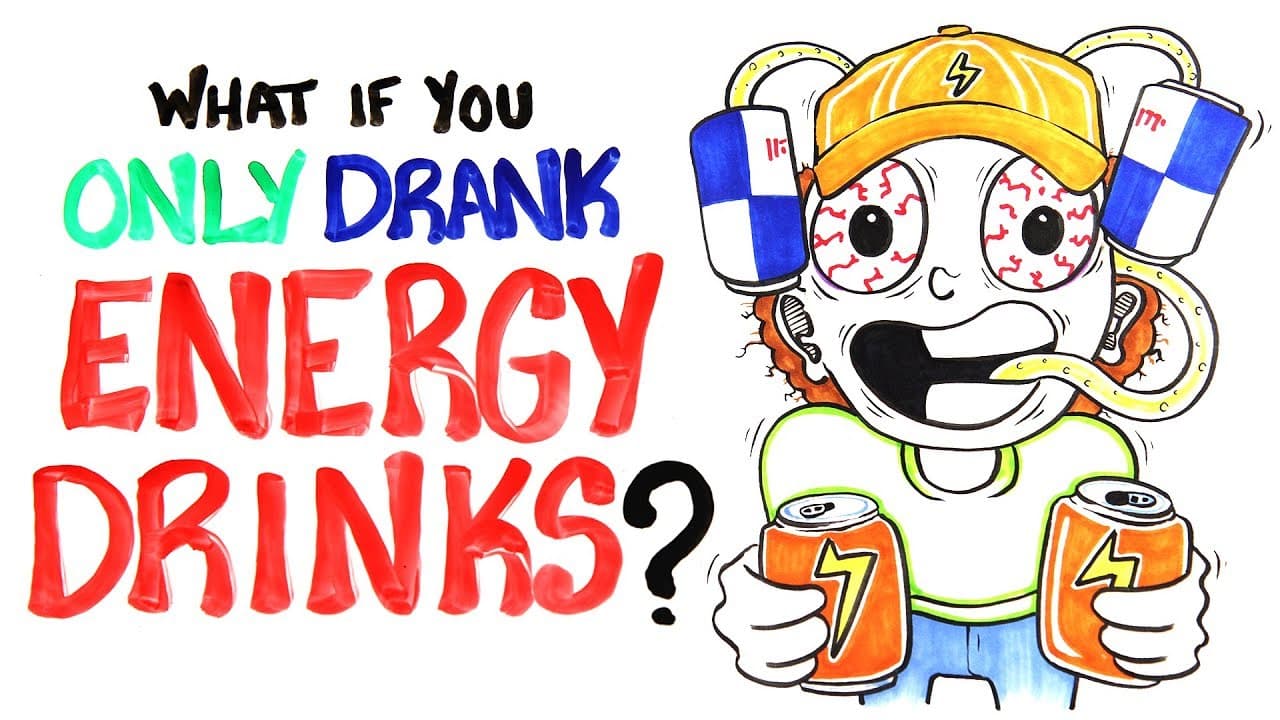
What If You Only Drank Energy Drinks?
TL;DR
Drinking only energy drinks can lead to increased heart rate and blood pressure, caffeine intoxication, dehydration, increased risk of cardiovascular conditions, obesity and Type 2 diabetes, disrupted sleep patterns, and potential health risks.
Transcript
Whether it’s to fuel your late night study session, or trying to stay alert on the job energy drinks are very popular with 76% of young adults consuming them, but what would happen if you ONLY drank energy drinks? One sip and the feel-good effect is almost immediate. When the sugar molecules hit your taste buds, it triggers your brain to release do... Read More
Key Insights
- 🧡 Energy drinks contain high sugar content, with one can ranging from two to 14 teaspoons per serving, posing a risk for obesity and Type 2 diabetes.
- 🥰 Consuming energy drinks on a regular basis can lead to increased heart rate and blood pressure, increasing the risk of developing cardiovascular conditions.
- 🍸 Overconsumption of energy drinks, exceeding 200mg of caffeine in a single sitting, can result in caffeine intoxication and potential hospitalization.
- 🧑⚕️ Energy drink consumption has been associated with serious health issues, such as seizures, hallucinations, and cardiac or neurological toxicity.
- ☕ Caffeinated beverages, including energy drinks, can cause increased urine volume, but they are not significantly more diuretic than coffee.
- 🍸 Drinking energy drinks regularly can lead to disrupted sleep patterns and insomnia, especially in individuals who consume three or more cans per day.
- 😪 American military personnel who consume energy drinks regularly report disrupted sleep patterns, fewer overall hours of sleep, and an increased risk of falling asleep on duty.
- 🧑⚕️ While energy drinks are relatively safe for infrequent consumption, it is advised to limit their intake due to potential health risks and uncertainties.
Install to Summarize YouTube Videos and Get Transcripts
Explore YouTube Video Summarizer or Get YouTube Transcript Extractor
Questions & Answers
Q: What are the immediate effects of consuming energy drinks?
Consuming energy drinks causes an immediate release of dopamine in the brain, leading to feelings of happiness. It also increases heart rate and blood pressure within 10 minutes.
Q: How much caffeine do energy drinks contain compared to other beverages?
The caffeine content in energy drinks varies, but it can range from 6 mg to 242 mg per serving. In comparison, a serving of coffee contains 95 to 165 mg of caffeine, black tea contains 25 to 38 mg, and a bottle of Coke contains 34 mg.
Q: How does energy drink consumption affect health?
Energy drink consumption has been linked to various health issues, including cardiac or neurological toxicity, seizures, arrhythmias, and high blood pressure. It can also lead to dehydration, obesity, Type 2 diabetes, insomnia, and disrupted sleep patterns.
Q: Are energy drinks safe for regular consumption?
While energy drinks are relatively safe for infrequent consumption, regular and excessive consumption can pose significant health risks. It is advisable to avoid drinking them regularly.
Summary & Key Takeaways
-
Energy drinks contain high amounts of sugar and caffeine, which can immediately trigger feelings of happiness and well-being upon consumption.
-
Within 10 minutes, energy drinks cause an increase in heart rate and blood pressure due to the release of adrenaline caused by caffeine.
-
Energy drinks can lead to caffeine intoxication, resulting in symptoms such as palpitations, agitation, tremor, and gastrointestinal upset.
Read in Other Languages (beta)
Share This Summary 📚
Summarize YouTube Videos and Get Video Transcripts with 1-Click
Try YouTube Summary with ChatGPT & Claude or YouTube Transcript Generator
Explore More Summaries from AsapSCIENCE 📚




Summarize YouTube Videos and Get Video Transcripts with 1-Click
Try YouTube Summary with ChatGPT & Claude or YouTube Transcript Generator