"There's NO Going Back" | INSTANT THIRD EYE ACTIVATION
TL;DR
This content explores the connection between light perception, the pineal gland, and personal reality creation.
Transcript
this is our head and somewhere in there you have the brain and then you have here the pituitary and somewhere here you have the pineal glands they tell us that this pineal gland is formed like an eye like an atrophyte eye that was an eye sometimes but if it was really electrified eye then why hide it under the brain if it was supposed to see light ... Read More
Key Insights
- 🙂 The pineal gland's structure and function suggest a complex role in light information processing and hormonal regulation that extends beyond mere sleep signaling.
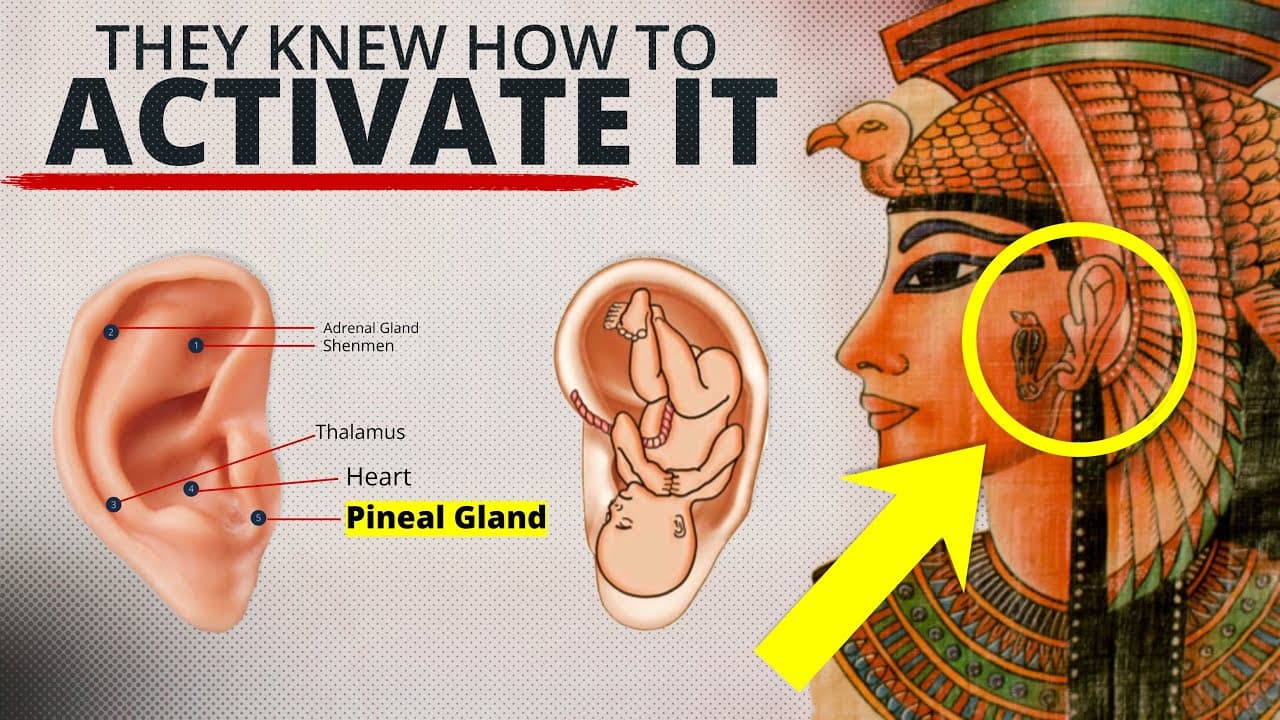
- 😚 Ancient practices employed a deep understanding of the relationship between the body and nature, utilizing specific points for spiritual activation and healing, which may have been lost in contemporary interpretations.
- 👷 Reality is constructed through a combination of sensory input and internal projection, indicating our experiences are more about internal interpretations than external truths.
- 🧠 Our brain, acting as a projector, highlights the interplay between perception and reality, emphasizing the need for balance and breaks to maintain mental wellness.
- 🙂 The inner light concept suggests a division between external light perceived from the sun and an intrinsic light created by our mental processes.
- 🧠 Stress management techniques like daydreaming indicate the brain's capacity to tap into alternative states for relaxation and creativity, vital for maintaining mental health amidst life’s pressures.
- ✳️ Understanding the implications of body piercings through their historical and cultural contexts could illuminate potential risks associated with contemporary body modifications.
Install to Summarize YouTube Videos and Get Transcripts
Explore YouTube Video Summarizer or Get YouTube Transcript Extractor
Questions & Answers
Q: What is the role of the pineal gland in light perception?
The pineal gland is sensitive to light and acts similarly to an eye, processing light to influence the production of hormones like melatonin. Its positioning underneath the brain raises questions about its function, as it's less exposed to light compared to the eyes, indicating a more complex role in our internal bodily rhythms and responses to the light.
Q: How do ancient practices relate to modern understanding of body interactions?
Ancient practices utilized specific body points for interactions with nature, demonstrating a deep understanding of bodily connections. Acupuncture, which maps the ear to the body, shows that these ancient practitioners recognized how different areas corresponded to organs, and by activating these points, they could enhance spiritual and physical features, which is often misunderstood today.
Q: What is meant by the projection of reality in perception?
The content proposes that reality is not merely passively observed but actively projected by the brain, likening it to a movie projector. Our sense perceptions generate an internal representation of the world, which feels external, suggesting that our experiences are shaped by our brain's interpretations and projections rather than solely external stimuli.
Q: Why is sleep essential according to the discussed concepts?
Sleep is essential because perceiving and processing reality through the brain's activation can lead to overheating, akin to a projector running too long. This necessitates breaks to recharge, allowing the brain to function optimally. Sleep helps restore balance, integrating and consolidating experiences from our waking life.
Q: How does light influence our perception and internal states?
Light fundamentally influences biological processes, triggering chemical responses in the body, such as melatonin secretion at night. Additionally, light is connected to inner visions and perceptions, suggesting that our understanding of reality involves both external light and an internal reflection or production of light-related experiences.
Q: In what ways can stress affect perception and reality?
Stress can push individuals into a more concentrated state, which may hinder the ability to perceive a reality beyond immediate concerns. To counteract stress, individuals often resort to daydreaming, activating alternative brain processes that allow for relaxation and facilitate a broader perception of reality, helping balance mental states.
Q: What might be the risks associated with modern piercing practices compared to ancient techniques?
Modern piercing techniques often lack the intentional focus of ancient practices, which carefully considered the significance of every placement. The risk lies in potentially disrupting bodily functions at points that correspond to vital organs without understanding the ramifications, which were often meticulously chosen in ancient ceremonies for specific purposes.
Summary & Key Takeaways
-
The pineal gland resembles an eye in structure and is sensitive to light, which influences chemical production in the body such as melatonin for sleep.
-
Inner vision and its activation through crystals reflect ancient practices wherein specific body points corresponded to spiritual and physical functions, emphasizing the importance of intentional placements.
-
Reality perception involves both passive reception and active projection, suggesting that our understanding of the external world is significantly influenced by internal processes in the brain.
Read in Other Languages (beta)
Share This Summary 📚
Summarize YouTube Videos and Get Video Transcripts with 1-Click
Try YouTube Summary with ChatGPT & Claude or YouTube Transcript Generator
Explore More Summaries from Video Advice 📚


Summarize YouTube Videos and Get Video Transcripts with 1-Click
Try YouTube Summary with ChatGPT & Claude or YouTube Transcript Generator